How a sanitaryware specialist puts sustainability first
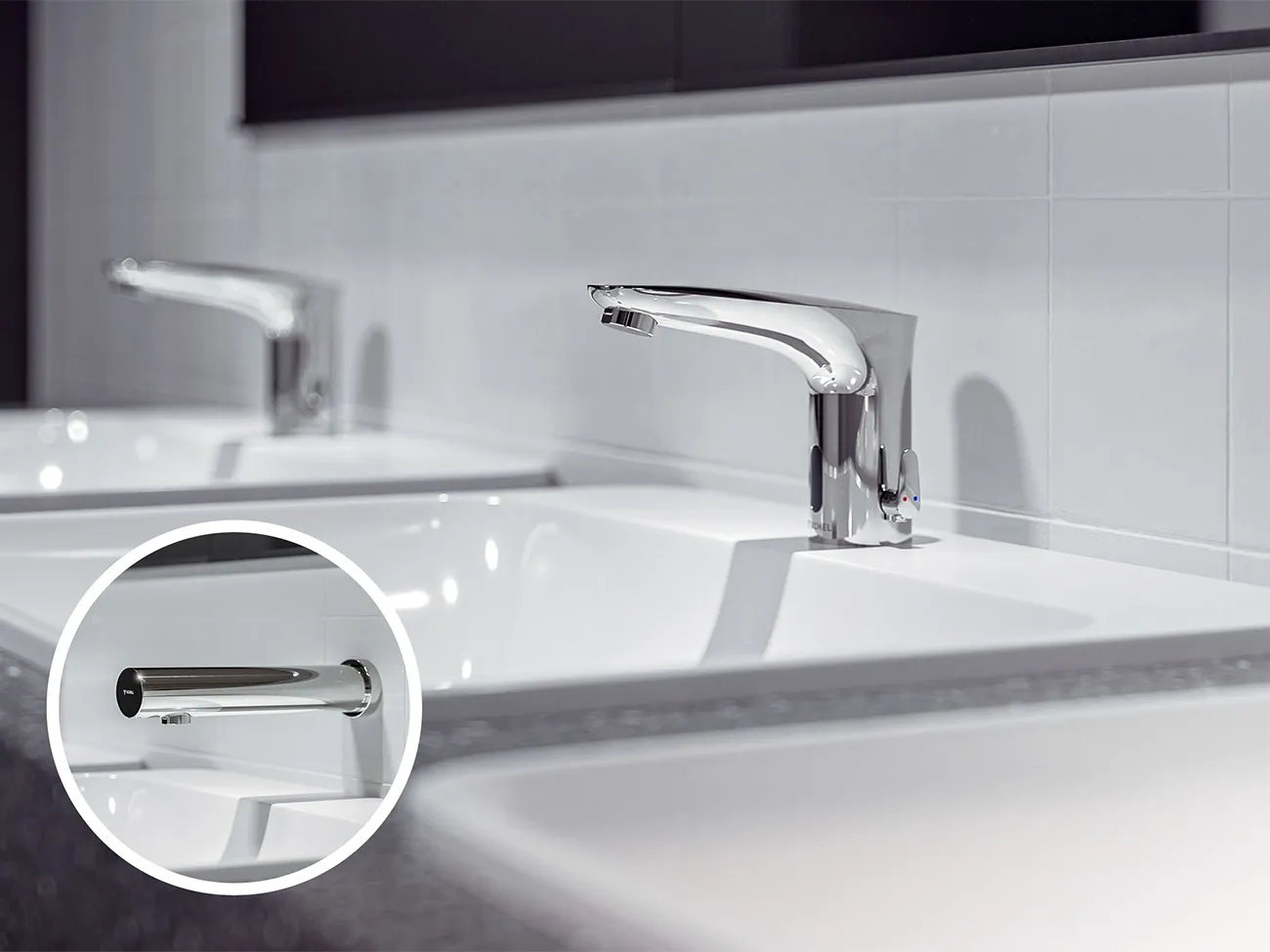
SCHELL België is actively pursuing a sustainability policy across every part of the business, from energy-saving measures in its operations to developing products with a long service life and strong energy- and water-saving credentials. Circularity has also long been a consideration for the German company, even before the term began to gain traction in the Belgian construction sector.
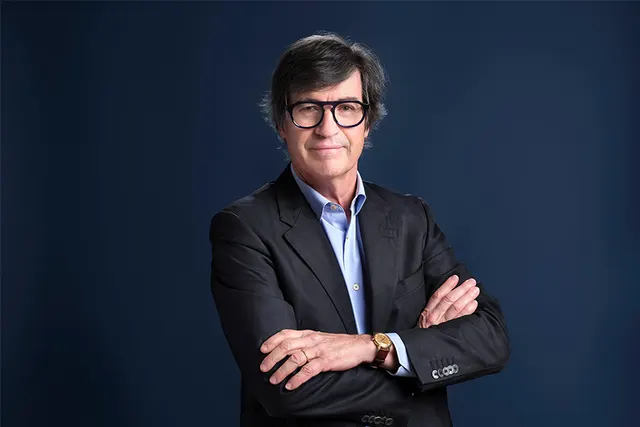
Sustainability is more than just a buzzword for SCHELL België, says Dirk Vanden Breede, director at SCHELL Belgium. “There’s no getting around it: when we, as a manufacturer, talk to architects, clients or installers, terms such as sustainability and circularity will sooner or later come up. The importance of sustainability certifications such as BREEAM and LEED has also continued to grow, and rightly so. Sustainability is a wide-ranging concept. It needs to be the common thread running through every area and level of the business. It is a way of life that requires the right mindset.”
No throwaway society
SCHELL seeks to put sustainability into practice first and foremost in its day-to-day operations, from using hybrid vehicles to monitoring energy and water consumption in the company’s buildings. But SCHELL also puts its words into action at product level. “The common thread in our research & development is that we only want to bring robust, durable products to market. We don’t take part in the throwaway society. The proof is in the products: some of our models have been available for twenty years and have remained unchanged, apart from the technology inside. Their long service life means considerable savings in raw materials.”
Circularity is gaining importance in 2022, but Vanden Breede points out that the principles of ‘cradle to cradle’ have long been part of SCHELL’s corporate philosophy. “Brass is the main material used in our taps, and none of it goes to waste during production. The metal chips and burrs are returned to the brass manufacturer after production for recycling. We also give installers the option of returning products that have reached the end of their service life to us for recycling. Brass is an exceptionally durable material and is therefore ideal for recycling. Circularity is an important factor in our choice of materials. From the design stage, we choose raw materials that can remain in the loop for as long as possible,” says the director.
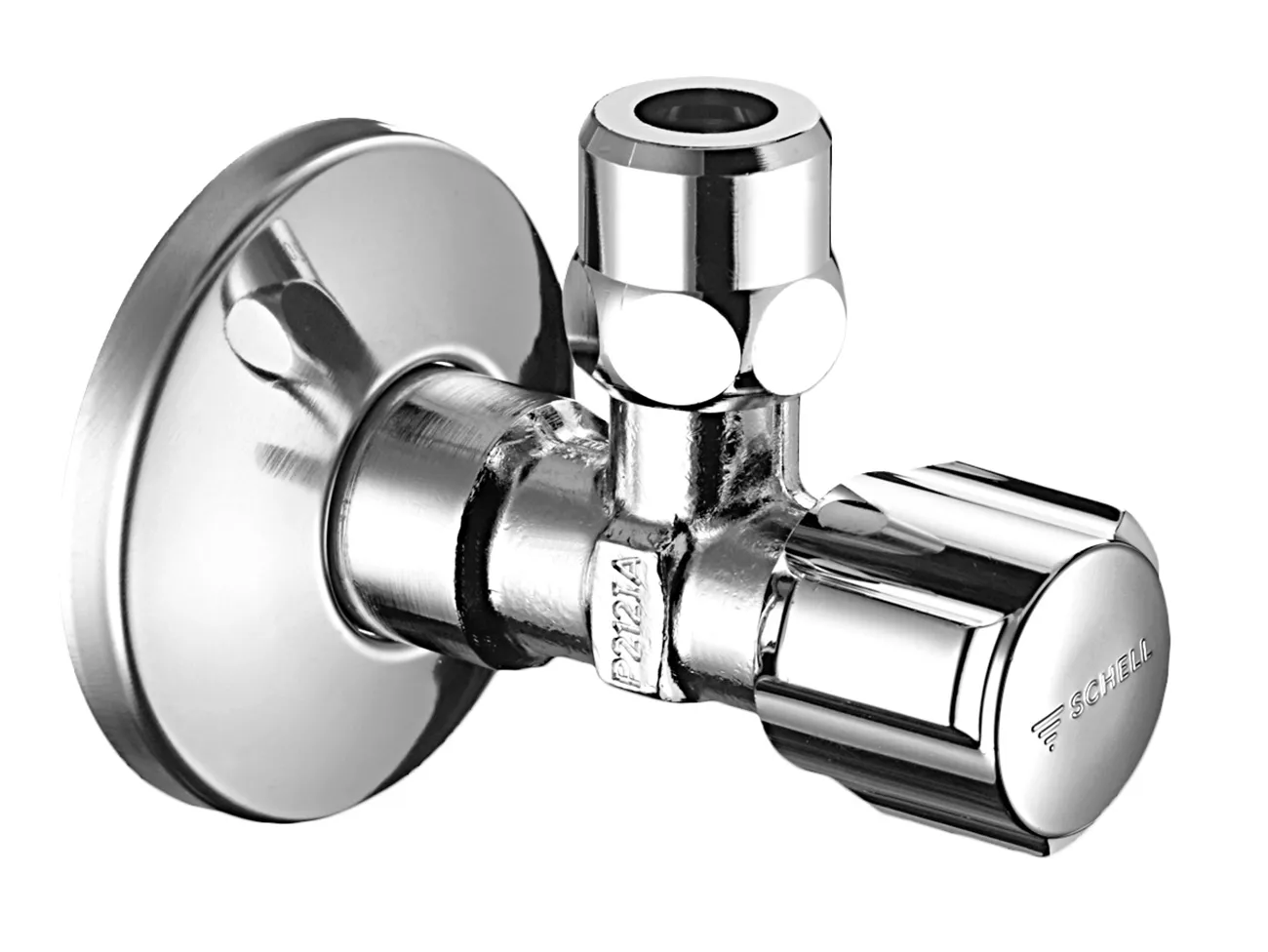
SCHELL has therefore been a pioneer in sustainability in the sanitary sector for decades. “Our roots undoubtedly have something to do with that: SCHELL was founded in the Sauerland region of Germany, an area known as ‘the land of a thousand lakes’ for good reason. Nature has long played an important role in our product development,” says Vanden Breede. “Take SCHELL’s most iconic product, the angle valve, often found beneath washbasins. The ability to regulate the water flow using the valve makes water savings of up to 40 per cent possible. Here too, SCHELL has been ahead of the curve: water conservation is becoming increasingly important, especially as our summers grow drier, but SCHELL has been using this valve to save water for decades.”

Balancing sustainability and hygiene
Water conservation is an increasingly important aspect of sustainability. Water consumption is now a key consideration, particularly in public buildings. SCHELL has an answer to this too: its unique Water Management System SWS. “This platform enables building managers to map and monitor water consumption in individual areas of a building. You can’t manage what you don’t measure, and accurate measurements help them take the right steps to reduce consumption,” explains Vanden Breede. “We also take water consumption into account when controlling urinals. One example is the so-called stadium function, where the electronic urinal control allows a continuous low flow of water instead of flushing too much at intervals.”
Sustainability is not the only important issue in the sanitary sector: hygiene is just as important in sanitary installations. Finding the right balance can be challenging, Vanden Breede acknowledges. “You keep installations hygienic by flushing them sufficiently, but that increases consumption. Thermal disinfection against legionella, which involves heating water to 70 °C, also uses energy. There’s no getting around it, which makes it all the more important to schedule flushing and thermal disinfection as effectively and efficiently as possible. That is the only way to try to limit this additional water and energy consumption.”
Question about this story? Ask your question
Keep following this
Get an email when a new story is published. No account needed.
- ThemeSafe and efficient water use
- SubjectSanitaryware