Forced closures increase the risk of Legionella
Since February 2020, Covid-19 has shaped our daily lives. Schools, offices and public buildings closed, and we had to work from home en masse. One point of concern could not be overlooked: prolonged closure has consequences for the drinking water system. Maintenance of these drinking water systems had to continue, and must continue, at all times. We must remain vigilant and ensure that good hygiene habits are carried on in our public sanitary facilities in the future.
The Legionella bacterium causes Legionnaires’ disease, a respiratory infection that affects people with chronic respiratory problems and those with weakened immune systems. The bacterium occurs naturally in water and develops where stagnant water and a source of nutrients are present. Schools, swimming pools, sports clubs and hospitality venues are examples of public buildings where sanitary facilities are used intensively. During holidays or prolonged closures, drinking water is used little or not at all, increasing the risk of bacterial growth. The solutions are simple: prevent the water from reaching temperatures at which bacteria multiply and minimise water stagnation in the system.
Keep flushing
The regulations in force identify stagnant water in sanitary systems as a factor that encourages bacterial growth. For this reason, ring mains, or closed-loop systems, are strongly recommended. The European standard NF EN 806-5 also stipulates that parts of the system that are rarely used should be flushed regularly. The recommended interval is once a week. The German guideline of April 2013, Hygiene in Trinkwasser-Installationen VDI/DVGW 6023, requires measures to refresh the water after the sanitary system has been out of use for more than 72 hours. Water companies therefore advise building managers to continue implementing their Legionella prevention plans properly. Businesses without a (mandatory) Legionella prevention plan are also advised to flush the pipes thoroughly before putting them back into use. This can be done by opening all the taps briefly and letting the water run gently for one minute. However, manual flushing is labour-intensive and costly, especially in larger systems.
Hot, hotter, hottest
The Best Available Techniques (BAT) for Legionella Management (December 2017 edition) stipulate that hot water should be produced at a minimum of 60°C, with a circulation water temperature of 58°C. At this temperature, 90% of bacteria die within 2 hours. If the temperature falls below this guideline, the risk of bacterial growth increases. Complex systems and long pipe runs lead to temperature drops and increase the risk of contamination. To limit this risk, the length of branch pipes should be kept to a minimum. Pipe insulation prevents heat loss and, where cold and hot water pipes run alongside each other, prevents heat transfer. This helps ensure that the cold water temperature does not rise above 20°C, at which point Legionella bacteria are no longer inactive.
Technical solutions in the fight against Legionella
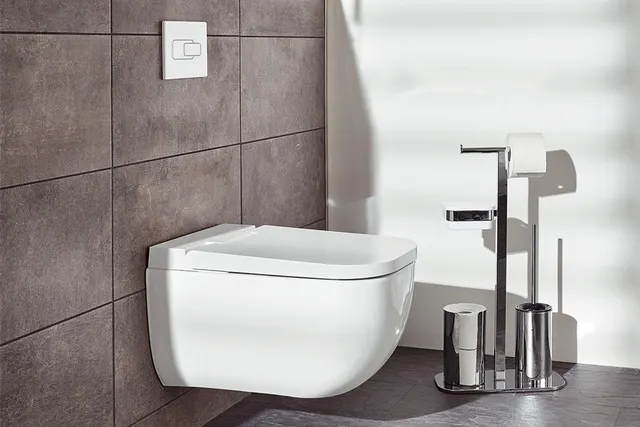
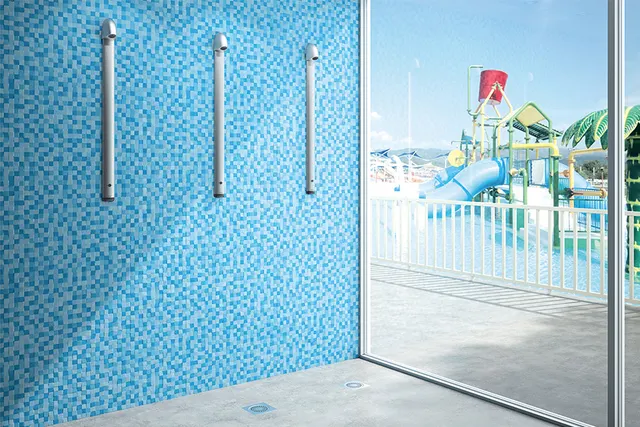
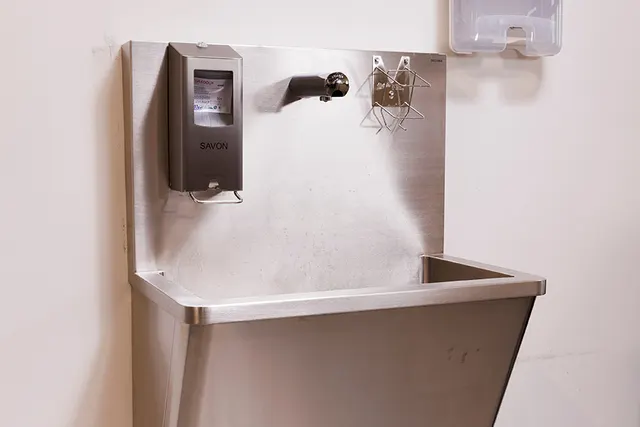
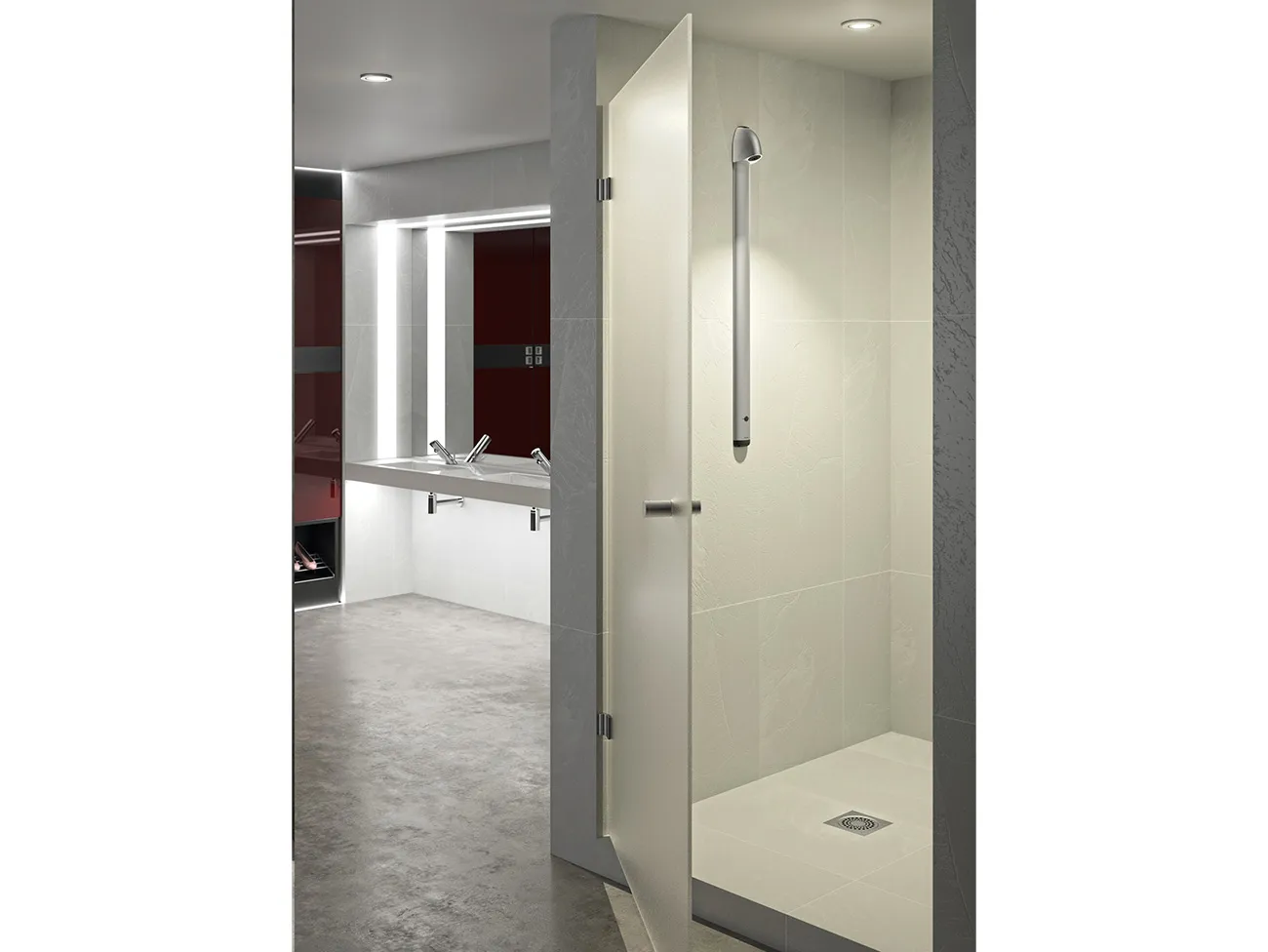
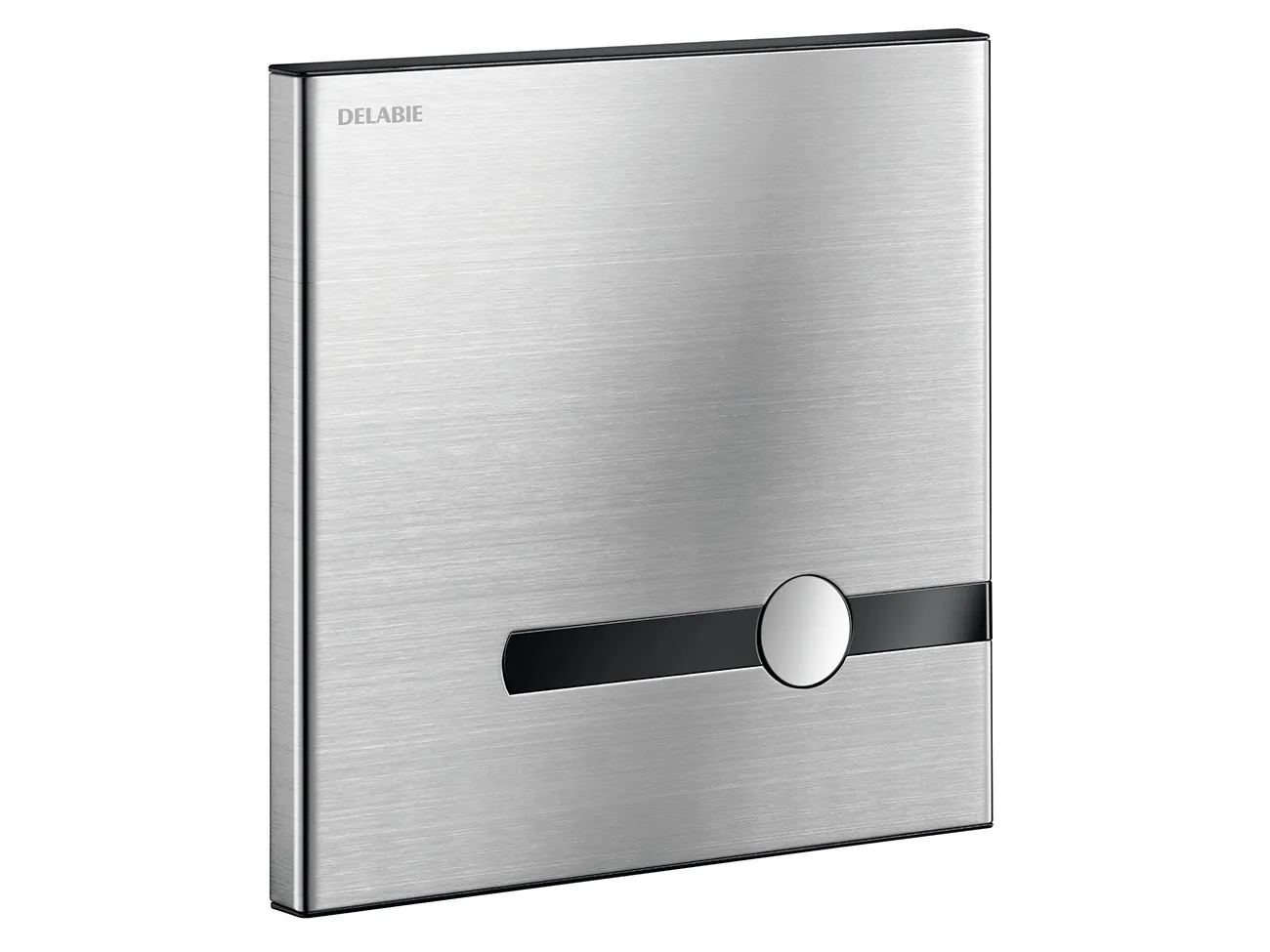
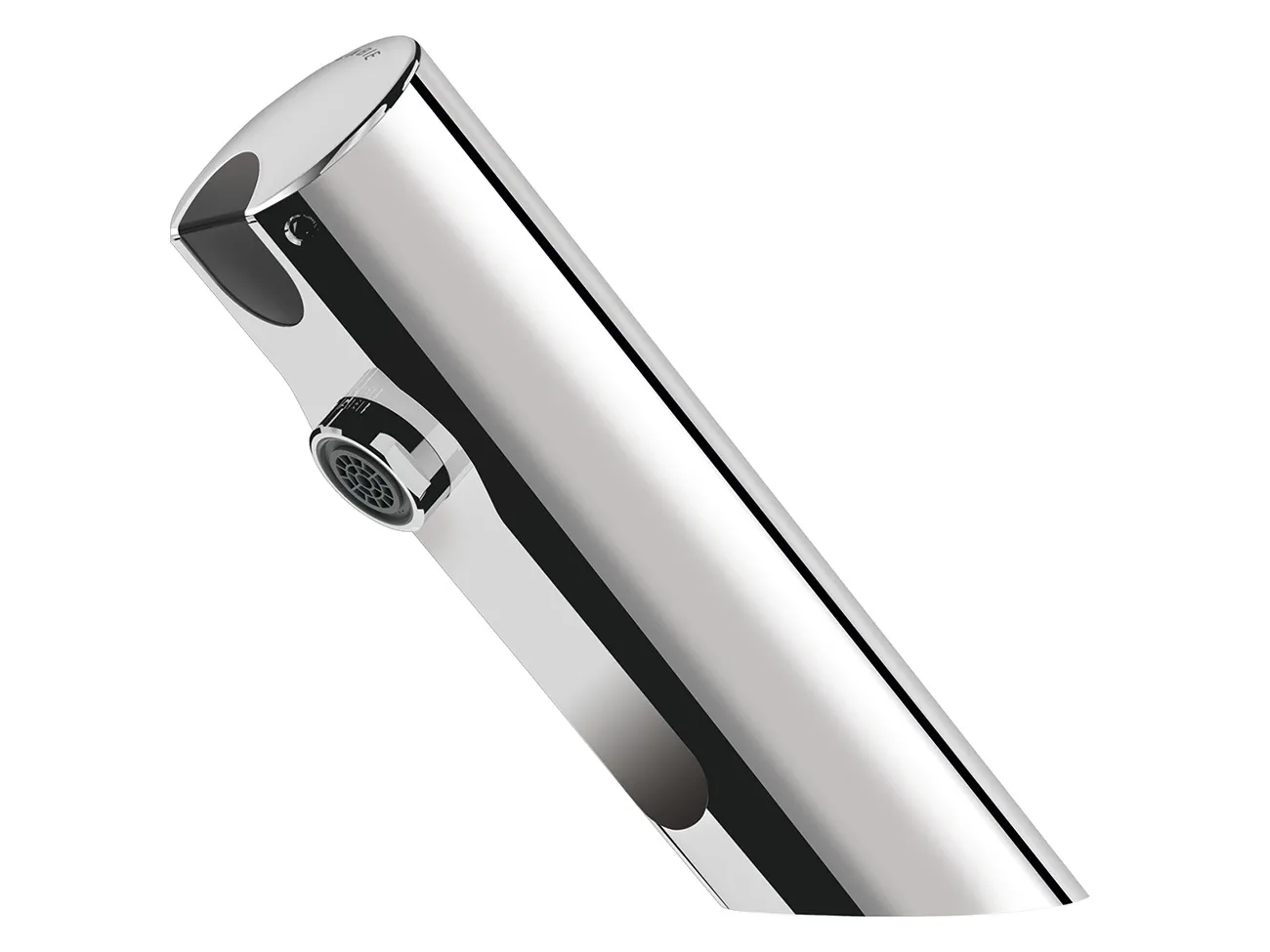
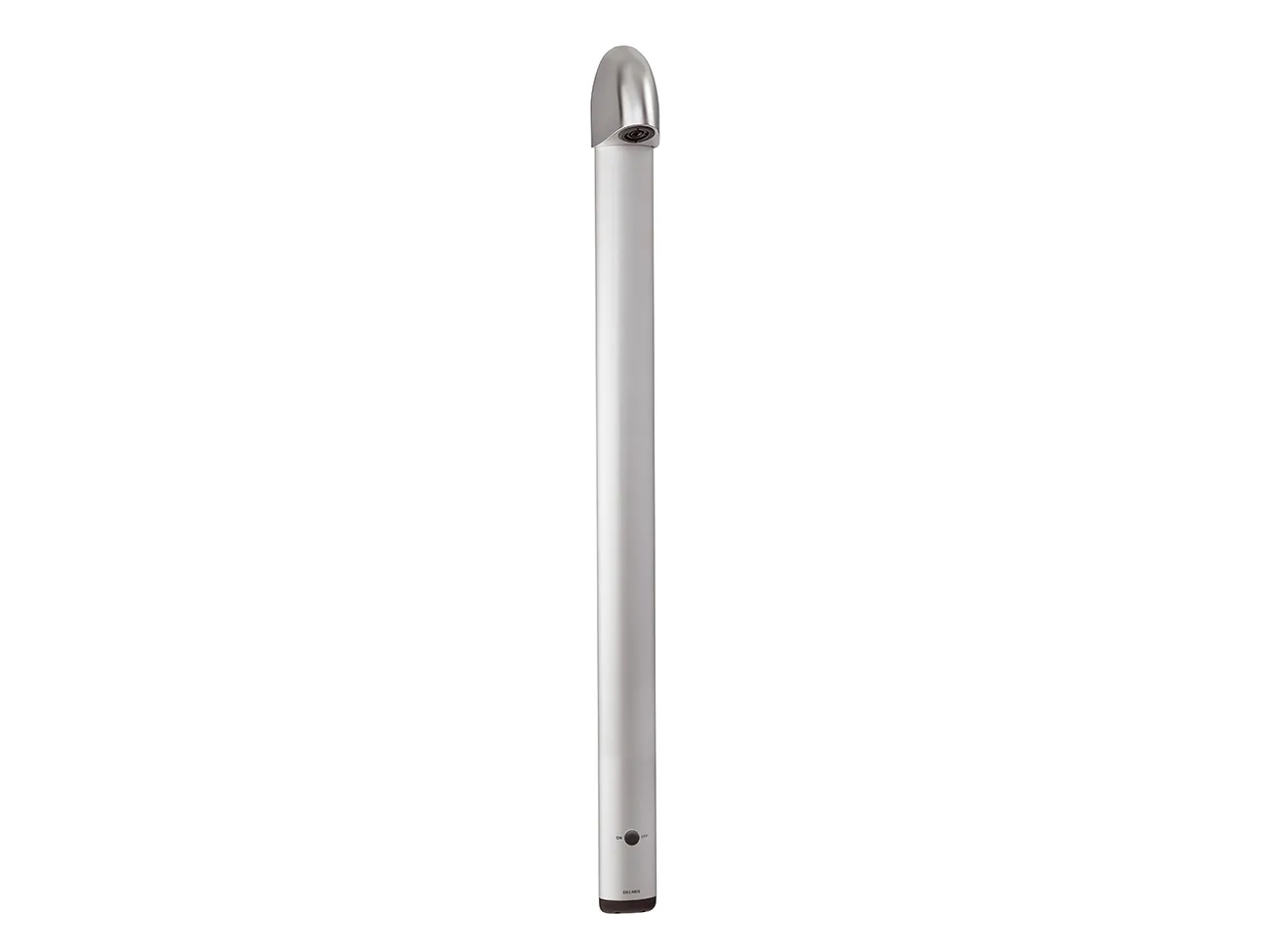
DELABIE is strongly committed to combating and preventing bacterial growth, and offers a wide range of technical solutions. A central thermostatic mixing valve, for example, enables the building manager to maintain the prescribed temperatures in the network and ensure user safety. The thermostatic mixing valve must have anti-scalding protection to ensure that the hot water is shut off automatically and immediately if the cold water supply fails, and vice versa. Choosing electronic washbasin taps fitted with periodic flushing also prevents water stagnation and, consequently, bacterial growth. Automatic flushing activates every 24 hours after the last use and flushes for 60 seconds. An anti-stagnation solenoid valve, with no rubber diaphragm behind which a small amount of stagnant water can remain, is an added advantage in the fight against bacterial growth. DELABIE is now introducing its new electronic thermostatic shower panel. This shower panel, also equipped with intelligent periodic flushing, receives water directly from the hot water network at the set temperature of 55°C, where it is mixed with cold water. The thermostatic mixing valve is integrated into the showerhead, so mixed water at 38°C can be delivered immediately. There is no mixed water between the closed loop and the shower. No water stagnates in the panel. Direct-flush toilet systems are also specifically designed for public sanitary facilities with high visitor numbers. Because the flush is connected directly to the water network, there is no cistern containing stagnant water, and therefore no limescale or build-up of impurities. This means there are no elements that encourage bacterial growth. By understanding the risks and installing products specifically developed to meet these challenges, the risk of contamination and scalding can be easily overcome.
A business enquiry for Delabie? Get in touch
Companies in this story
Keep following this
Get an email when a new story is published. No account needed.
- ThemeSafe and efficient water use
- SubjectSanitaryware
- CompanyDelabie