Electronic taps do more than save water
We should not underestimate the importance of drinking water quality
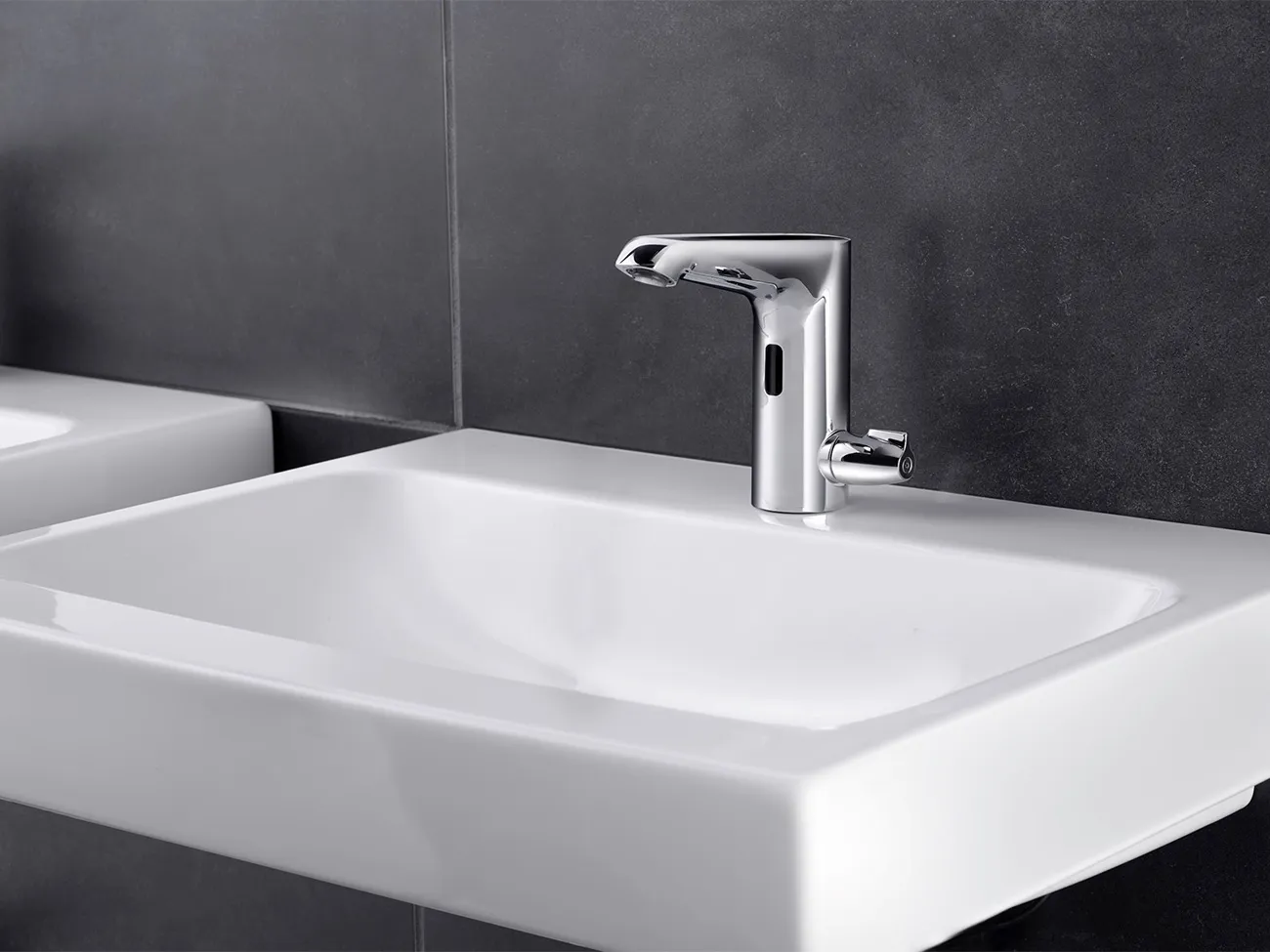
Electronic taps have been on the market for decades. The advent of intelligent systems has expanded their capabilities even further. Nevertheless, there is still a degree of reluctance towards electronic applications. This is a missed opportunity. Intelligent taps ensure good drinking water hygiene, reduce operating costs and are easy to install.
“One of the first things we have noticed is that nobody is really concerned about drinking water hygiene,” says Dirk Vanden Breede of Schell. “At best, people may have heard of Legionella, but they think it is exclusively an issue with hot water. Cold water pipes are generally not considered a risk. However, if water is left standing in those pipes, bacteria will grow there too. Electronically controlled taps can provide a solution: if a tap has not been used for a certain period, it will flush automatically to refresh the water.”
Price versus use
Mechanical taps are often chosen out of a misguided sense of economy. We should not focus solely on the purchase price. “Of course, electronic taps are more expensive than mechanical ones, but the difference should not be exaggerated,” says Dirk Vanden Breede. “Compared with the cost of the entire construction project, the additional expense is small, while the taps do offer greater functionality, particularly in terms of hygiene.” Manually carrying out a hygiene flush or thermal disinfection also takes a great many working hours, and the risk of errors is even greater.
Reliability
Reliability and electricity consumption can also give people pause for thought. However, an electronic tap has very few moving parts and is therefore subject to little wear. Solenoid valves are a proven and highly reliable technology. Energy consumption is also very low. The latest electronic taps, for example, have a ‘sleep mode’. If they are not used for a while, they emit fewer detection pulses, reducing electricity consumption. They switch back to normal operation only when activated again.
Easy installation
There are also quite a few misconceptions about installation. Connecting taps to the mains does involve some wiring, but there are also easier-to-install options. For example, many versions are battery-powered, in which case installation is identical to that of a non-electronic tap. The very low energy consumption also ensures long battery life, so the batteries need replacing only occasionally.
Water management
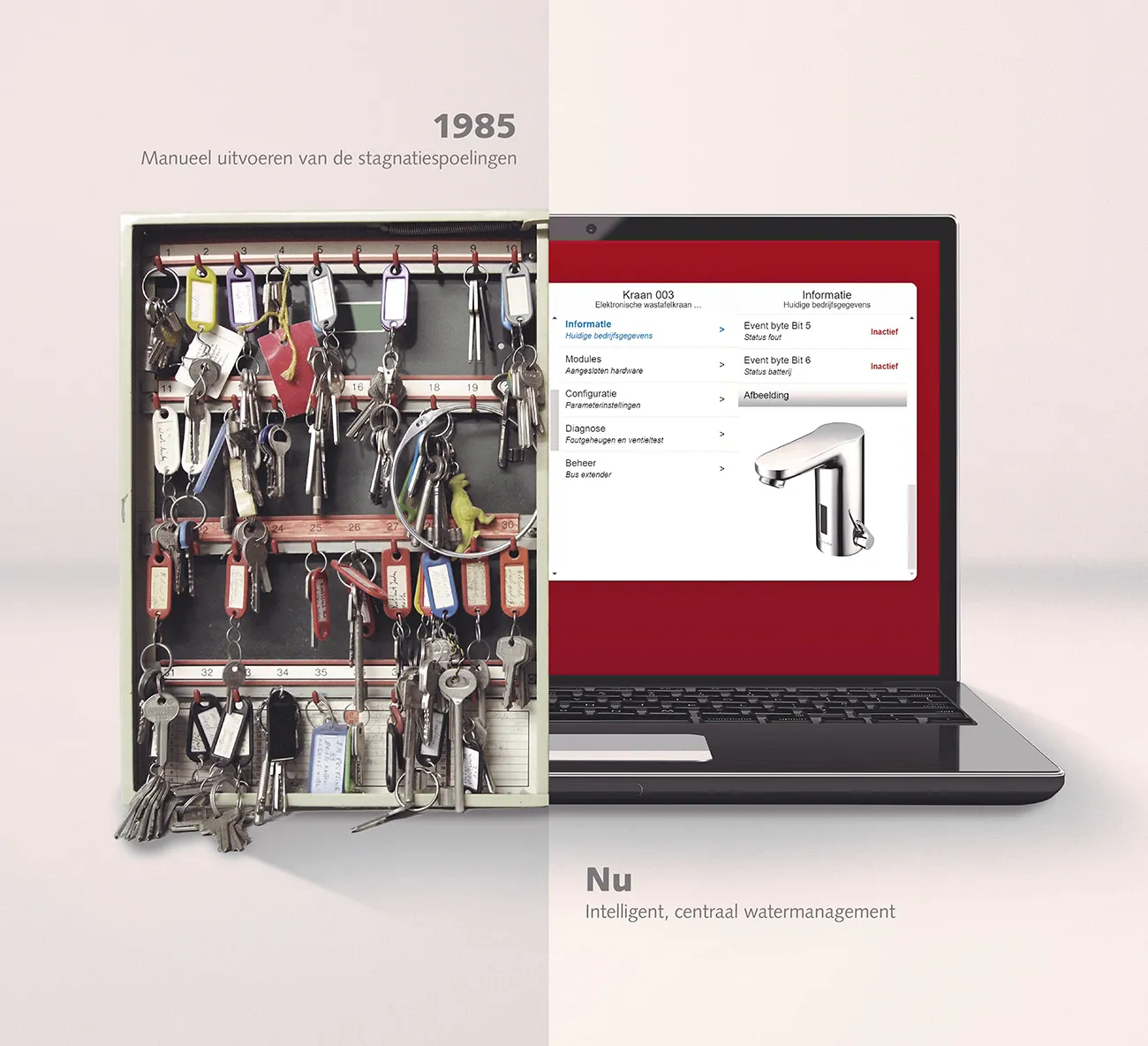
Integrating electronic taps into Schell’s SWS water management system allows all parameters to be set centrally and operating history to be viewed. This makes it easy to see how many times a tap has been used, whether there are any error messages and whether the batteries need replacing. This can resolve many issues without anyone having to go on site. It also saves a great deal of time during service visits, as it is clear in advance what needs to be repaired, ensuring that the right spare parts are always brought along.
Question about this story? Ask your question
Keep following this
Get an email when a new story is published. No account needed.
- ThemeSafe and efficient water use
- SubjectSanitaryware