











What energy efficiency means in the installation sector today
Text Wouter PolspoelImage Pixabay
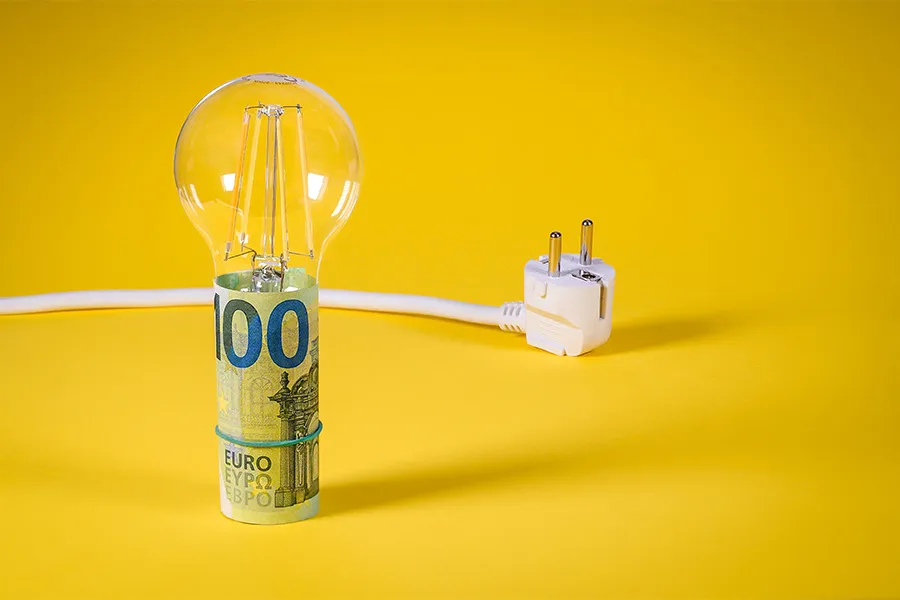
Although the peaks of 2022 are now behind us, electricity and gas prices are still historically high. It is only natural, then, that demand is growing for ways to reduce energy bills. In this context, energy efficiency, which is also valuable in the face of climate change, has become a crucial starting point for every installation project. But what does the term actually mean for HVAC, plumbing and electrical installations? This article explains.
In the installation sector, the energy efficiency of HVAC, plumbing and electrical installations refers to how economically they operate: the more economical the operation, the greater the energy efficiency. What is often overlooked is that their performance is determined not only by the technical characteristics of the installation, but also by correct installation and proper use. In other words, even the most economical appliance will not reach its full potential in terms of energy efficiency if it is installed, set up or used incorrectly. So the energy efficiency of an HVAC, plumbing or electrical installation depends not only on the manufacturer, but also on the installer and end user.

Different considerations for each trade
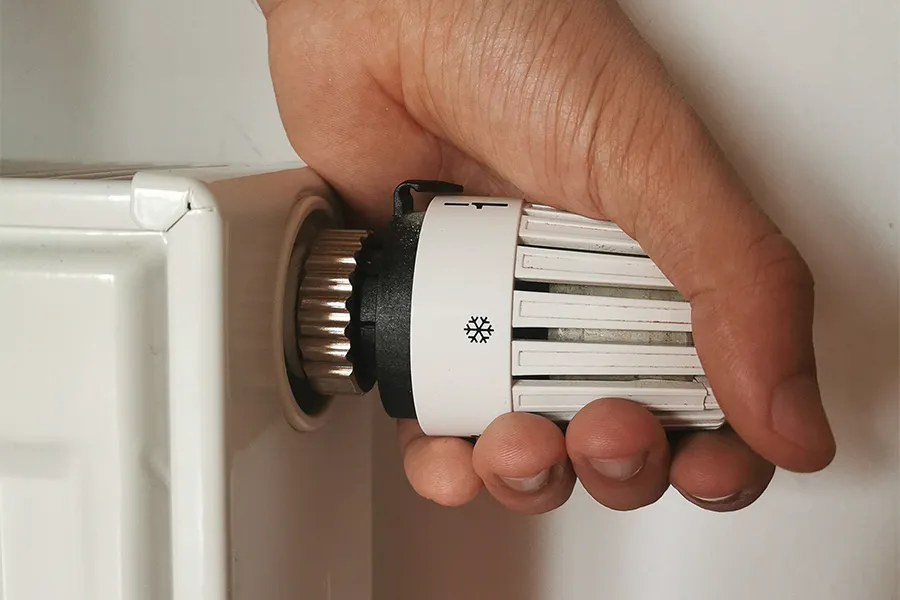
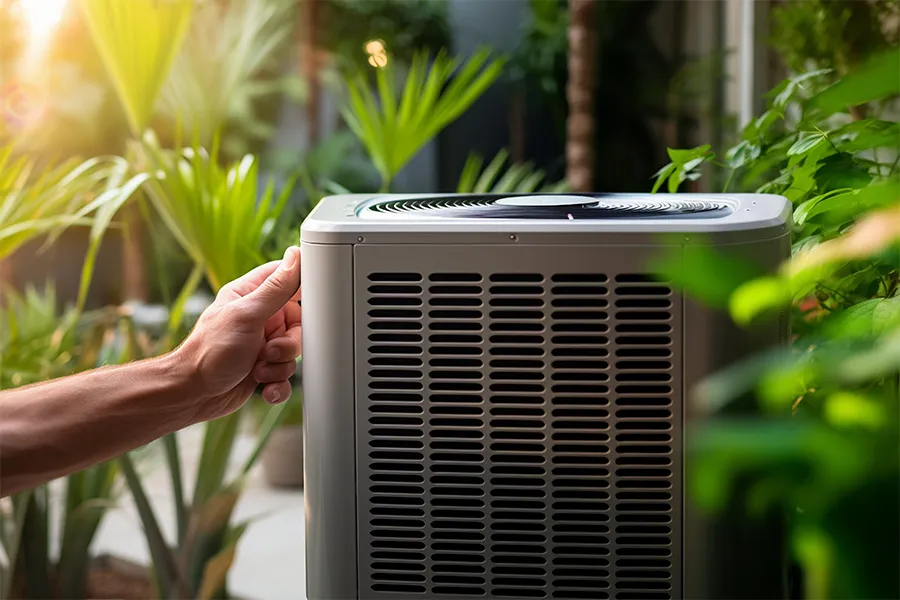
Exactly how a tradesperson can help determine an installation’s energy efficiency depends on the type of installation. HVAC installers need to size heat pumps, air conditioning systems and ventilation systems correctly, ensure optimal pipe routing and balancing, and make smart use of control technology, for example weather-compensated control or zone control.
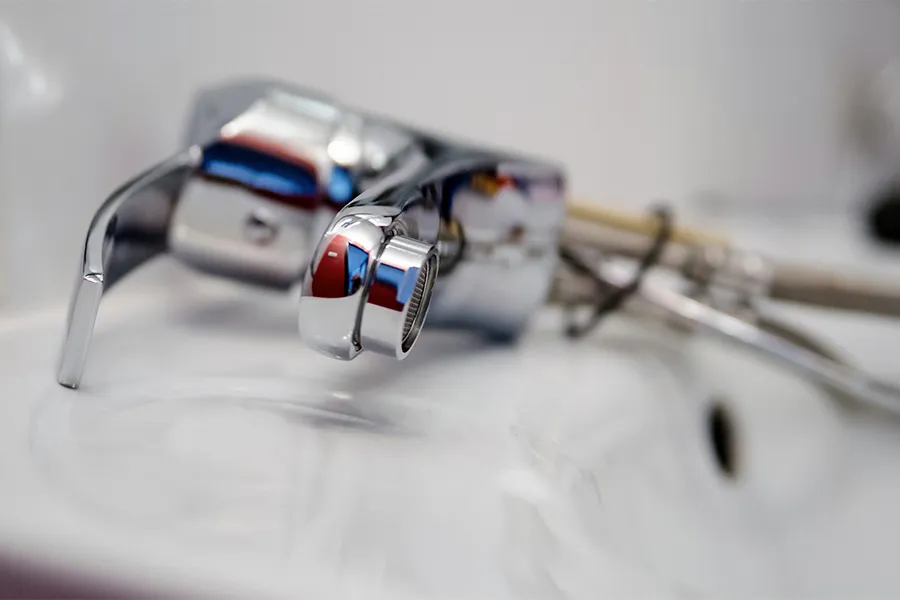
Plumbers can improve the energy efficiency of plumbing installations by reducing pipe losses with shorter runs to outlets and pipe insulation, using instantaneous water heaters where appropriate, and installing water-saving taps and showers with pressure compensation. This means lower energy consumption as well as lower water consumption.
Electricians, in turn, can help improve the energy efficiency of electrical installations by choosing energy-efficient loads such as LED lighting, installing smart controls, dimmers and timers, and matching the output of any solar panels to consumption using control relays or home automation.
A whole-system approach
This brings us to the next point: achieving the highest possible energy efficiency in an installation also requires a whole-system approach. A heat pump, even one that has been installed correctly, will only achieve its highest efficiency if the heat emission system also operates at a low temperature, the home is sufficiently airtight, the ventilation system supports heat recovery and the controls respond to demand.
In other words, energy efficiency is about more than individual components: it also depends on how they work together. Understanding the building’s installations as a whole is therefore just as important as installation skills.
Installation skills and the technical knowledge they require are generally in place, although Sven Eeckeloo of ESD Consult warns in this issue’s De Pen that there is still room for improvement. A whole-system approach, however, is much less common. This is understandable to some extent. Before the energy transition, the shift from fossil fuels to renewable energy, usually electricity, HVAC installers, plumbers and electricians tended to work in their own separate domains. Now that we need to move away from heating oil and gas, a heating system can also be controlled using solar power, which serves as an energy source for other installations in a building too. The roles of HVAC installers and electricians, and to a lesser extent plumbers, are therefore increasingly converging. This makes cooperation between a building’s various installations ever more important, as is coordination between the different trades in the installation sector.
Clear guidance on use
End users can also help determine how efficiently an installation performs by using it correctly and as effectively as possible. It is therefore important for tradespeople not only to install an installation correctly, with an understanding of the building’s installations as a whole, but also to give the end customer a brief, clear explanation of how to use it. They must also take on an advisory role, something more and more end customers expect. Smart thermostats can then give end customers insight into their consumption and encourage more conscious behaviour. Increasingly, however, systems are moving towards self-learning algorithms that automatically adapt heating, cooling or hot water production to residents’ routines, delivering ever better energy efficiency without any input from the end user.
Show in quotations how an installation pays off
Installers concerned that they lack the technical knowledge and ability to take a whole-system approach should start by investing in product training. The outlook is favourable: manufacturers and trade organisations are increasingly offering short, practical sessions. Next, they should work more closely with fellow tradespeople from other disciplines. For example, an HVAC installer should ask electrical or plumbing partners to contribute during the planning phase. Finally, installers need to set aside enough time for commissioning and explaining exactly how the installation works to the end customer.
Understanding the energy efficiency of installations is also an asset for installers when preparing quotations. If they can show in a quotation for a particular installation how it will save money, they greatly improve their chances of winning the project.
In conclusion, an A-rated installation or a switch to renewable energy does not automatically mean a lower energy bill. The installer also has a role to play, not only by understanding exactly how an installation works, but also through communication: both with installers from other trades involved in the same project and with the end user.
Question about this story? Ask your question
Keep following this
Get an email when a new story is published. No account needed.
- SubjectHVAC







