











Ventilation: a major factor in the fight against Covid-19
In 2021, the importance of a good ventilation system can no longer be underestimated. This was also clear at a webinar on indoor air purification, organised by VITO and the European Respiratory Cluster.
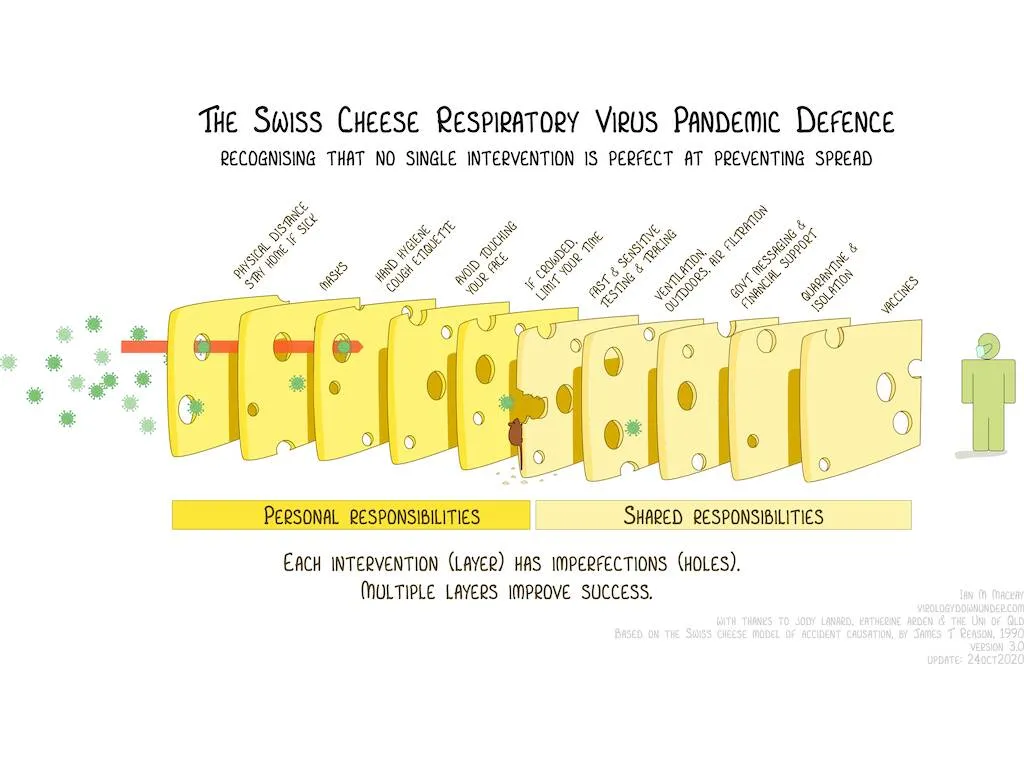
However, much more research and education are needed before we can breathe a sigh of relief and do away with all the other measures. “Ventilation is one of the many slices of the Swiss cheese, but certainly not the only one.”
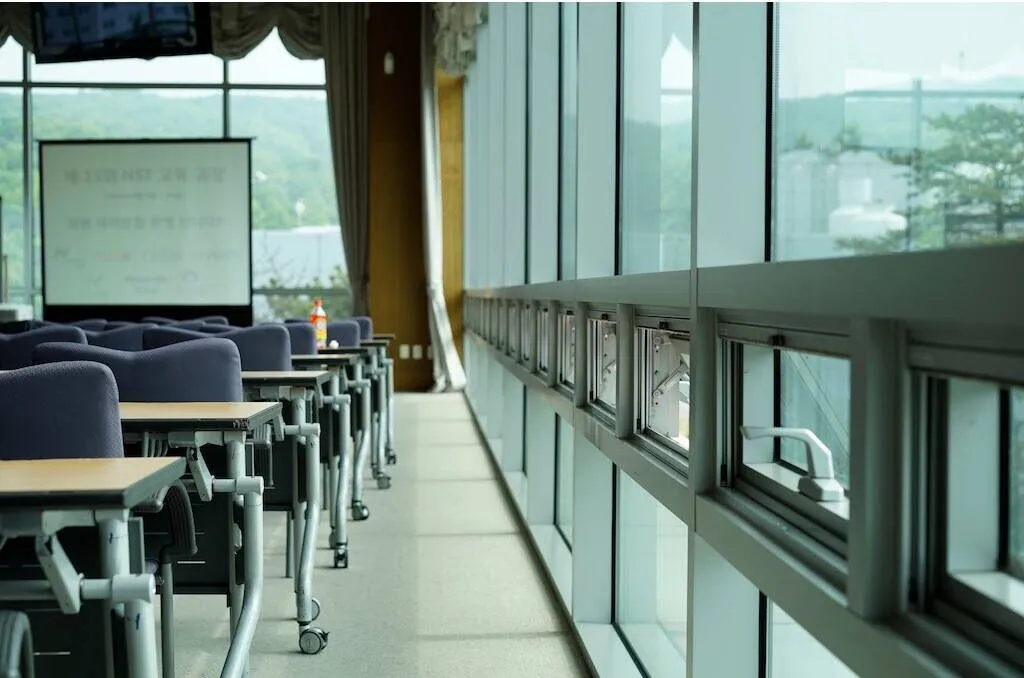
When people cough, they release droplets of liquid. Larger droplets fall to the ground, while smaller ones remain airborne. These smaller droplets are known as aerosols, and they spread Covid-19. “In a poorly ventilated room, aerosols can remain suspended for up to three hours,” says Marianne Stranger of VITO. Ventilation is therefore essential in the fight against the virus, but simply opening the windows is not enough and can even create a false sense of security. In a classroom, only the pupils sitting closest to the window would breathe clean air. Those sitting furthest away would not benefit from natural ventilation. Ventilation systems are therefore needed, but not every system is suitable, according to the panel of experts. For example, they advise against using air purifiers with UV-C filters or ionisers as the sole solution. These must be combined with other air purifiers. Hanna Leppanen of the Finnish Institute for Health and Welfare says that air purifiers with ionisers do not help to prevent aerosol transmission because they do not remove aerosols from the room, but instead move them onto surfaces. The experts also focus mainly on ventilation systems because the effects of an air purifier cannot be measured. Ventilation systems that are safe to use are listed in a database on the health.belgium.be website.
Good-quality outdoor air
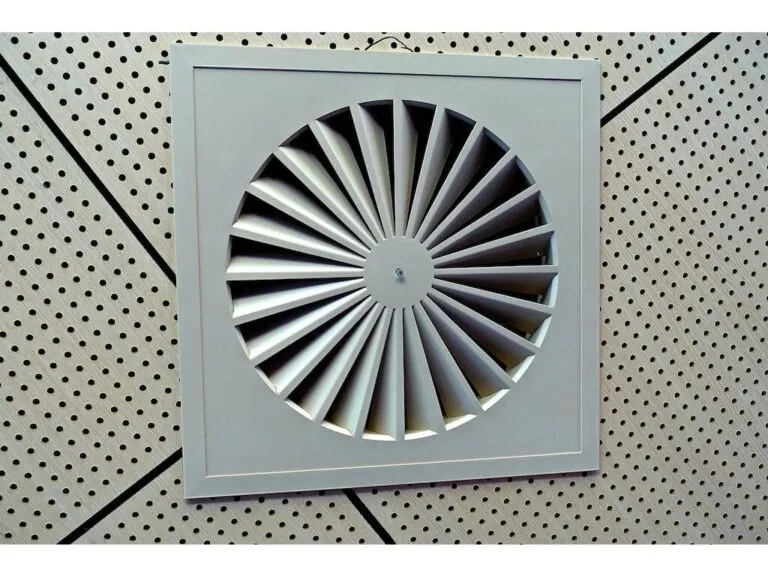
Because ventilation systems draw clean outdoor air indoors, indoor and outdoor air quality are closely linked. Belgium still has a long way to go: this issue will require considerable attention in the future. According to public health officer Bart Bautmans, the Belgian Building Research Institute is an important organisation for guiding architects, contractors and installers in developing buildings that contribute to healthier air and better air quality.
The ‘Swiss cheese’ model
“Ventilation is important, but it is certainly not the only factor,” the experts unanimously agree. In the ‘Swiss cheese’ model, ventilation is just one of many slices helping to prevent the spread of the virus. Good ventilation will therefore need to go hand in hand with face masks, physical distancing and a high rate of vaccination for some time yet. Moreover, it is not easy to assess straight away exactly what is needed in terms of ventilation. “It takes time for good information to become available,” says infectious disease specialist Erika Vlieghe. “This operates on a much larger scale than simply opening a window.” People need to be trained and acquire sufficient knowledge of ventilation systems. “CO2 meters in classrooms are a first step, but what should you do if you cannot bring the level down with the equipment you have?” she asks. The panel of experts therefore considers it overly ambitious to equip all classrooms with ventilation systems before winter. That is why the experts advocate holding activities such as lessons and meetings outdoors. This does require a change in mindset, as we currently spend eighty per cent of our time indoors. When we are indoors, we will increasingly need to manage our surroundings. That way, we can try to keep the risk of infection, which will never be zero, as low as possible.
Question about this story? Ask your question
Keep following this
Get an email when a new story is published. No account needed.
- ThemeHealthy air and summer comfort
- SubjectHVAC







