Maintaining your ventilation system filters remains crucial, even after Covid
Cebeo’s HVAC specialists are currently inundated with customer enquiries. Call it an evolution, or even a small ventilation revolution, and one they are more than happy to see taking place. “The number of inspections will continue to rise. That undoubtedly means plenty of opportunities. Users themselves will also become a kind of inspection body: ‘Is this ventilation system really OK for me, for my child?’ The debate is gathering pace, but acting correctly is even more important than acting quickly,” says Steven Mylle, HVAC specialist at Cebeo.

Cebeo offers brands that are market leaders in residential C and D systems. Each type of ventilation system has its pros and cons. “The question is not so much whether a C system is inherently better than a D system at eliminating viruses from the air. What we really need to ask ourselves is: what condition is my ventilation system in? Whether we are living through a pandemic or not,” says Steven Mylle.
Which duct system?
The debate is in full swing. Which duct system or material is preferable? Galvanised steel ducts rather than plastic ones? And does it help if the latter have an antibacterial coating, even though such a coating does not last for ever? Scientists have yet to reach consensus on any of these issues.
Here is what we know so far:
• Ducts must be installed with due care. If a duct is dented or crushed, airflow is partially blocked. As a result, the air that does get through flows faster and therefore more noisily. This also increases the risk of leaks. The circumference of the ducts is another factor that affects noise levels.
• The manufacturer can usually draw up the installation plan for you.
Is there a filter of choice?
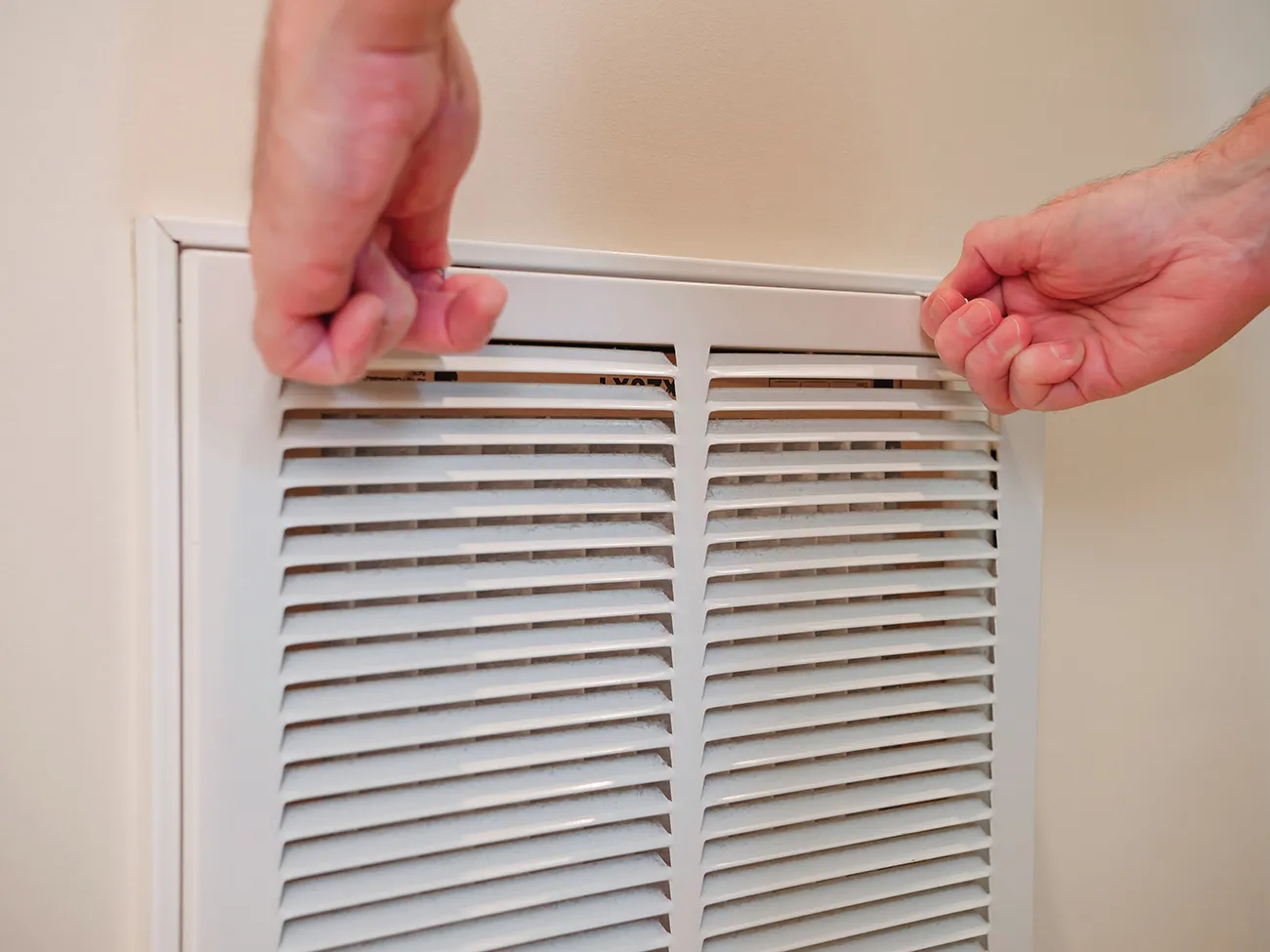
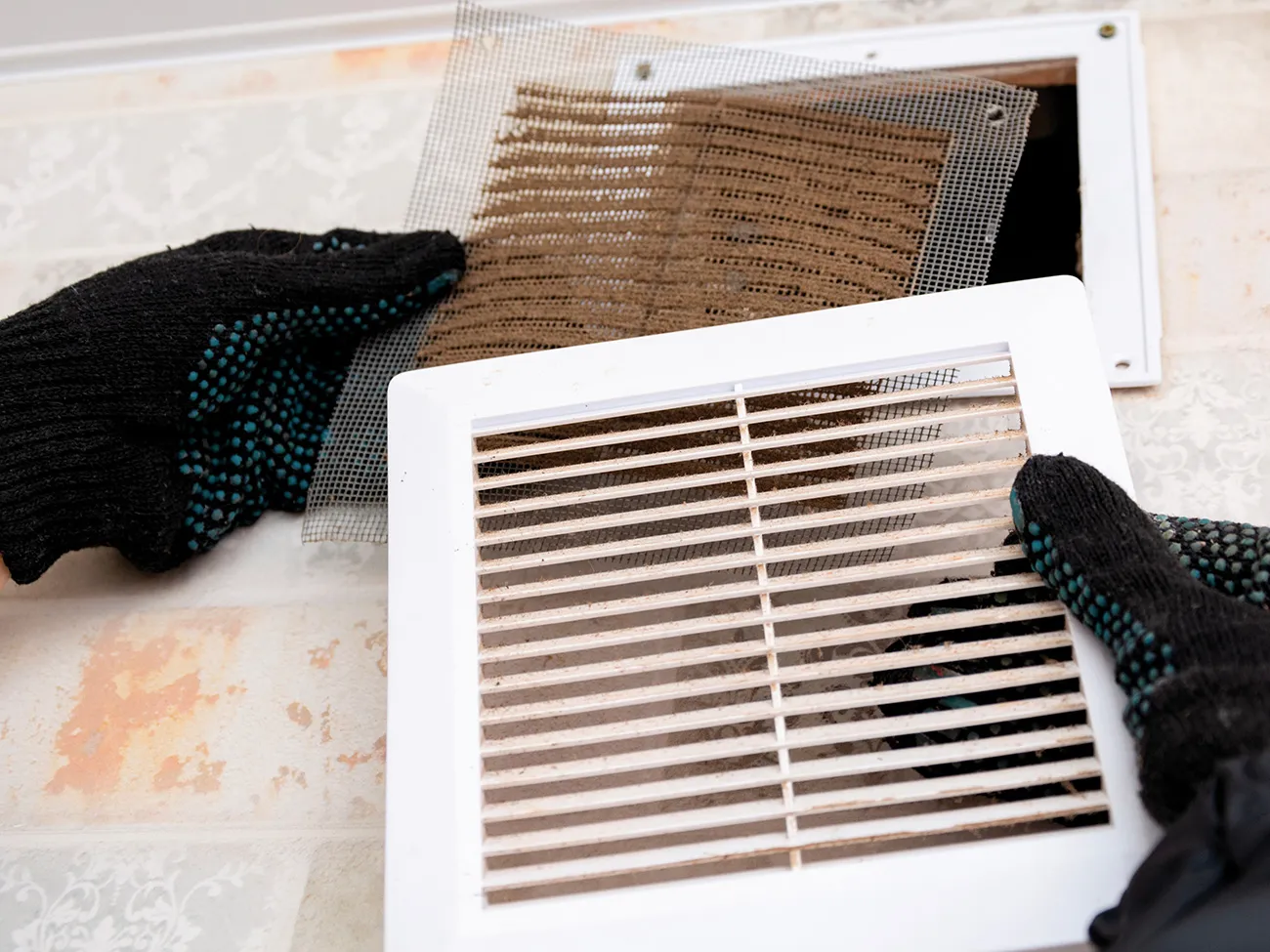
Filters are another hot topic. “In D systems, filters that are not replaced or cleaned often enough allow insufficient fresh air into the home,” Mylle points out. “This has consequences for the occupants. The message, then, is to clean or replace ventilation filters on time.”
Most manufacturers recommend checking filters every three months, with a view to cleaning or replacing them. Mylle says: “But in practice, we find that this is asking too much. A good rule of thumb is to check them after each main season (summer/winter). In summer, you will find more pollen and small insects, such as flies and mosquitoes, in the filters. In winter, we spend more time indoors, which also puts more demand on our ventilation system.”
Maintenance contract
Ideally, we would move towards a situation in which installers work with a maintenance contract. “Once the system has been installed and commissioned, schedule maintenance every six months straight away! A visual inspection may sometimes be enough to prevent major problems. Blocked filters not only create an unhealthy indoor climate, they can also damage your ventilation system. If the motor fails within two years, do not simply assume the manufacturer will honour the warranty if they can show that the system was poorly maintained. Both the installer and the user therefore benefit from working together,” concludes Steven Mylle.
Need advice?
Visit one of Cebeo’s more than 50 branches (you can find an overview at https://www.cebeo.be/nl-be/filialen). From Tuesday 10 to Thursday 12 May, discover the latest innovations in HVAC and electrical engineering at the new edition of the biennial Cebeo Technologie trade fair. See you in Hall 5 at Brussels Expo!
Een zakelijke vraag aan Cebeo? Get in touch
Companies in this story

Keep following this
Get an email when a new story is published. No account needed.
- ThemeHealthy air and summer comfort
- SubjectHVAC
- CompanyCebeo