











Is making homes smarter really sensible?
With climate neutrality as the goal, smart homes are taking centre stage. But does making homes smarter actually lead to savings? At the closing event ‘Slimme woning, een verstandige keuze?’ for the ‘De Slimme Woning’ project, EnergieID, Efika Engineering and Bond Beter Leefmilieu took stock. “You’re better off buying an energy-efficient appliance,” says Kathleen Markey of Efika Engineering.
‘Slimme woning, een verstandige keuze?’ marked the end of the ‘De Slimme Woning’ project by EnergieID, Efika Engineering and Bond Beter Leefmilieu, supported by the province of Flemish Brabant. The event addressed the question of what a smart home actually entails. This is an important issue, as making homes smarter will be a necessity in the future.
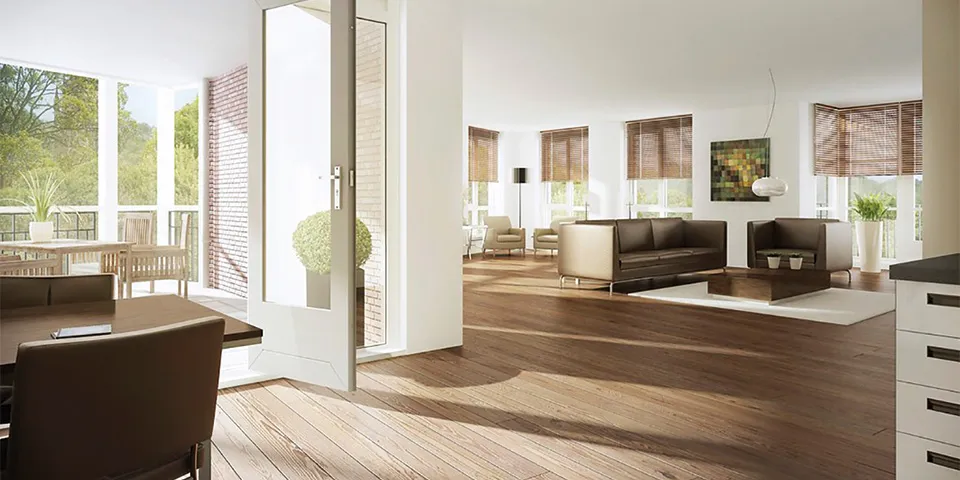
‘We save 8 to 27% when everyone lives in a home that suits their needs.’
“By 2040, all homes in Flanders must be climate-neutral,” said Jurgen Naets of Bond Beter Leefmilieu at the event ‘Slimme woning, een verstandige keuze?’. “We are becoming dependent on solar and wind power. By adapting our homes, we can use these sources more efficiently and keep our distribution grid stable.” In short, smart homes have an essential role to play in the renewable energy system of the future, partly because of increasing electrification.
In the past, production followed demand. Now the roles are reversed. According to Naets, this can be addressed in two ways. “On the one hand, it is possible to help balance the system by managing supply and demand and storing energy. On the other, we can use electricity more readily by focusing on energy efficiency.” With their low consumption, smart homes put less strain on the electricity grid and increase the share of renewable energy.
Space is everything
Making a home smarter starts during the construction phase. Building wisely means building robustly. All the systems need to be coordinated with one another. This also helps keep maintenance to a minimum. EnergyID’s consumption data from around 4,000 homes in Flanders show that the use of space has the greatest impact on consumption. “Whether three or five people live together in the same house, consumption varies very little. A volume of 200 to 250 m2 uses 30% less energy per year than buildings with a larger floor area. The size of a home can therefore account for up to half of its total consumption. A study by University College London also found that we save 8 to 27% when everyone lives in a home that suits their needs,” says Jan Pecinovsky of EnergieID.
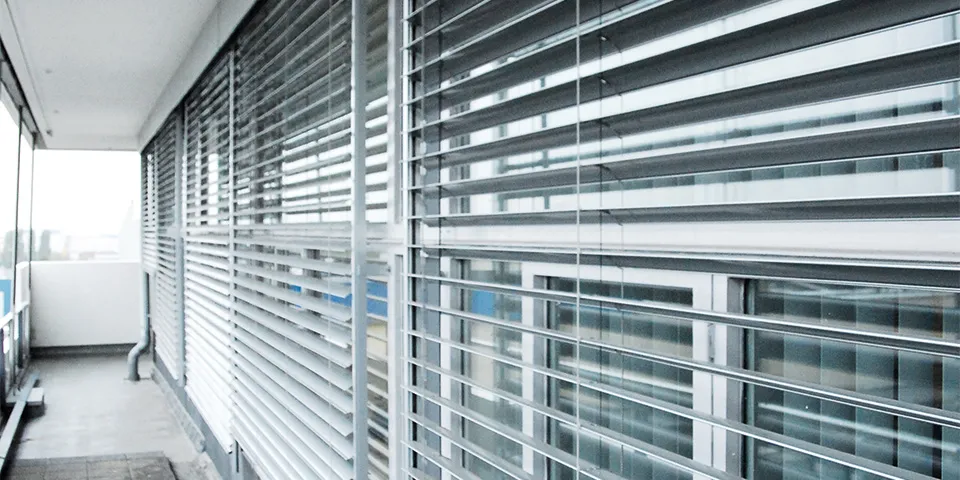
‘External shading, solar-control glass and good building design can prevent overheating’
Solar comfort
As smart living goes hand in hand with comfort and health, homes must provide enough light, ventilation and space. Solar comfort is crucial in this respect. “In our survey, 50% of the 500 respondents complained about overheating. External shading, solar-control glass and good building design can help address this,” says Kathleen Markey of Efika Engineering. “Not everyone can use these solutions, which is why many people turn to air conditioning. That’s a shame. It’s better to choose a reversible heat pump that heats and cools all year round. Combined with a PV system, it can even operate CO2-neutrally.”
Energy monitoring
Pecinovsky stresses the need for proper energy monitoring: “Monitors cost between 0 and 350 euros, but they do detect waste. They deliver savings of 8%,” says Pecinovsky.
A more expensive option is a smart thermostat, which can reduce consumption by up to 25%. “It’s a quick win for people who aren’t keen on insulating their homes. You should really see these smart technologies as a way of correcting behaviour that isn’t energy-conscious,” says Jurgen Naets. For a smart occupant, they can even lead to higher consumption. The same applies to other smart devices. “They are intended to match energy demand to the amount available, but in practice that flexibility isn’t there yet. You’re better off buying an energy-efficient appliance,” concludes Kathleen Markey.
Question about this story? Ask your question
Keep following this
Get an email when a new story is published. No account needed.
- SubjectHVAC







