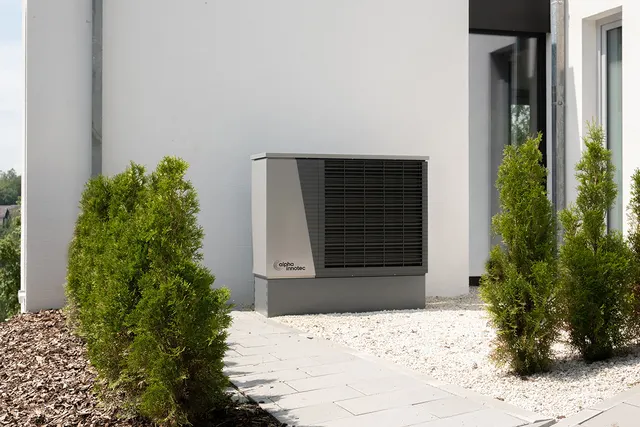
Huge increase in the number of heat pumps in 2022
ATTB, the Belgian association of heating equipment suppliers, is looking back on a turbulent 2022, just like the rest of the world. Russia’s invasion of Ukraine sent energy prices soaring to unprecedented levels and accelerated efforts to reduce our dependence on gas and oil, especially from Russia.
This gave the transition to more renewable energy a huge boost, but to meet Europe’s ambitions we urgently need a stable, forward-looking regulatory framework for the next 20 years.
Ever since the Paris Climate Agreement (2015), which set the goal of limiting global warming to 1.5 to 2 °C, there had been talk of a gradual energy transition away from fossil fuels towards more renewable energy and more electric solutions. But Russia’s invasion of Ukraine means we have to make the switch much faster.
REPower Europe
The new geopolitical reality calls for decisive action, ideally at European level. REPowerEU is the plan presented by the European Commission in May 2022 to make member states independent of Russian fossil fuels as quickly as possible, accelerate the energy transition, encourage massive investment in renewable energy and put a greater focus on electric solutions. This includes driving rapid growth in the number of heat pumps. That growth is already well under way.
Huge increase in the number of heat pumps
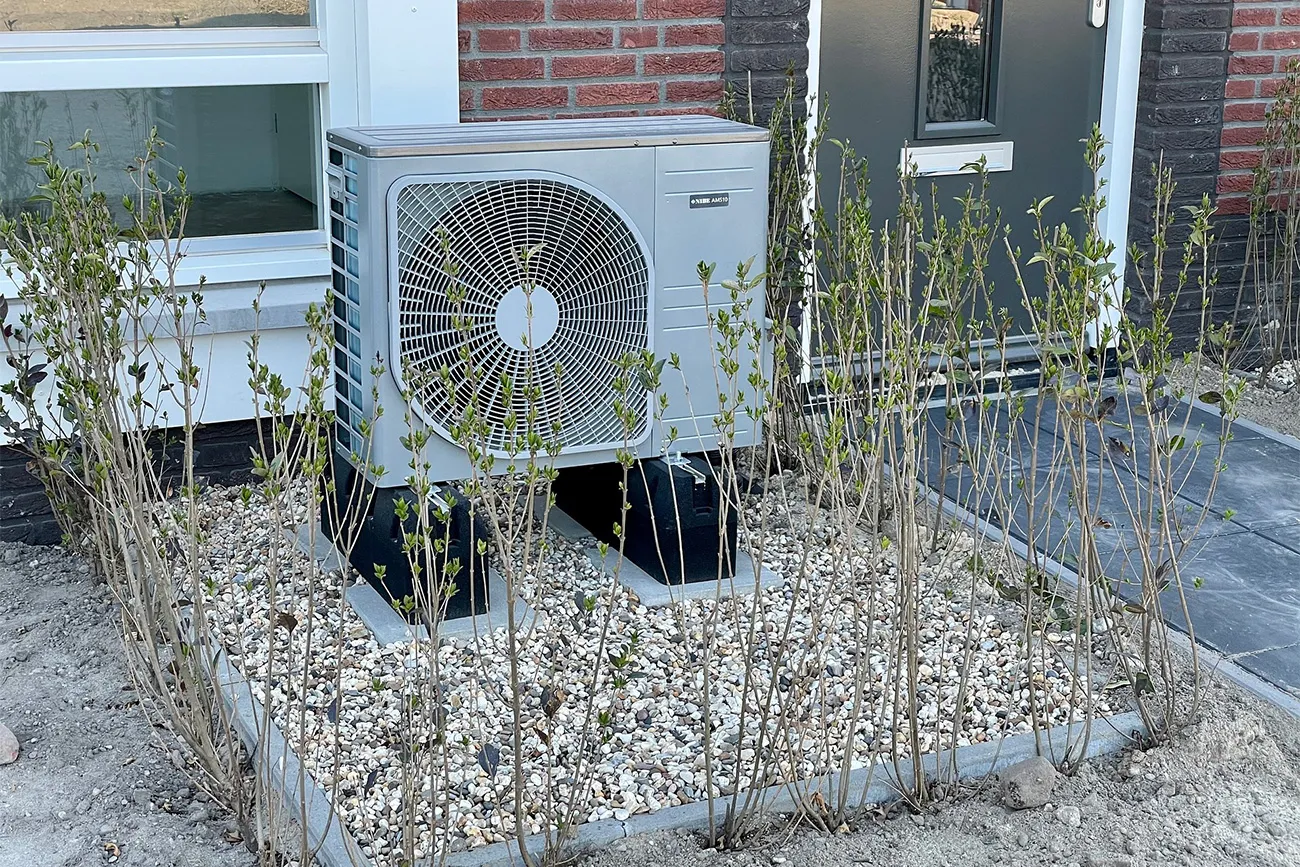
Last year saw unprecedented growth in the number of heat pumps installed in Belgium, across all technologies. With 30,000 installations, the total doubled in a year. Solar thermal systems also saw a welcome increase, to almost 20,000 m2 of solar collectors, while the number of heat pump water heaters tripled to around 30,000 units. The heating sector expects these trends to continue in 2023 and, most likely, in the years that follow.
Of course, some of this growth comes at the expense of other technologies. Oil-fired boilers, which had long been expected to decline, are now indeed on the way down: 4 %. This is also due to the fact that oil-fired boilers can no longer be installed in Flanders, except in rare cases. Gas-fired floor-standing boilers also saw a slight decline.
Problem: no clear regulatory framework
For years, ATTB has called for a stable, forward-looking regulatory framework covering, for example, a 20-year period and aligned with European ambitions. But the authorities responsible still do not seem to know what direction to take when it comes to heating our buildings.
For example, last year’s Flemish Energy Agreement allowed hybrid heat pumps to be installed in new-build homes, and even offered subsidies for them. That really makes no sense! Well-insulated new homes should always have an all-electric solution, preferably with a heat pump. Hybrid heat pumps are an excellent solution for the much more important renovation market.
Subsidies for energy-efficient investments need to increase
Only 4 % of detached and semi-detached homes and 6.5 % of flats in Belgium currently have an A rating. Around 96% of our homes therefore still fall short of the 2050 targets. The government should realise that there is huge potential here to save energy and reduce CO2 emissions. The current rate of renovation would need to at least triple.
The technologies needed to achieve these savings are available, so that is not the problem. The problem is that renovations cost a lot, and current subsidies are nowhere near enough.
A middle-income household can currently receive a subsidy of up to 17,500 euros, while a proper renovation costs between 40,000 and 85,000 euros. This means many households still have to find a huge amount of money themselves. Even for the most energy-conscious consumers, this is often unaffordable in these difficult economic times.
The government must therefore urgently increase subsidies for energy-efficient investments. They are already much higher in neighbouring countries. If this does not happen, we will end up with a small green elite who can afford to take part in the energy transition, and a large group of people who cannot. We must not leave them out in the cold.
Renovations offer relatively easy energy savings
The renovation market has huge potential for energy savings, and achieving them is relatively straightforward.
The quickest method is to replace all non-condensing boilers. There are still around two million of them. Switching to a condensing boiler already saves 30 to 50 % energy and reduces emissions by an average of one tonne per installation per year. Switching to a (hybrid) heat pump saves 60 to 80 %.
We should point out that ATTB fully supports the Trias Energetica: first, you should reduce energy demand as much as possible (for renovations, this primarily means ensuring good insulation); then make maximum use of energy from sustainable sources (sun, wind, ground, water); and meet any remaining energy demand as efficiently as possible using fossil fuels (for example, with a heat pump or condensing boiler). But you really do not need to wait until your home is super-insulated before replacing your old heating boiler.
The future lies in a combination of technologies and energy sources
There will never be just one solution for the energy transition. We will need a range of technologies and a broader energy mix. The choice will always depend on what is available and what is not, and on what is feasible and what is not.
Going fully electric is a step too far. Dependence on a single source is too risky, as the war in Ukraine has made clear, and is also technically and financially unfeasible.
Energy is hot, now it’s over to the government
Few New Year’s parties this year will have passed without people talking about high energy prices for heating, and how to save energy. This year, the heating sector wants to make it even clearer that all the technological solutions needed are already available. There is no need to develop a host of new things. People are more keen than ever to invest in energy savings, and the sector is ready. Now it is up to the government to provide the necessary funding.
The current energy crisis and the energy transition that comes with it are enormous. This is a once-in-a-lifetime transition, something we have never experienced before. It is a huge challenge, especially for the heating sector: as an industry, we can help people meet one of their basic needs while making an important contribution to climate targets. And in doing so, make the world a little better than it is now.
Question about this story? Ask your question
Keep following this
Get an email when a new story is published. No account needed.
- ThemeFossil-free heating and cooling
- SubjectHVAC