











From European ambition to action in Flanders
Text Kris VandekerckhoveImage Lisse Wets, Vlaams Energiebedrijf (VEB)
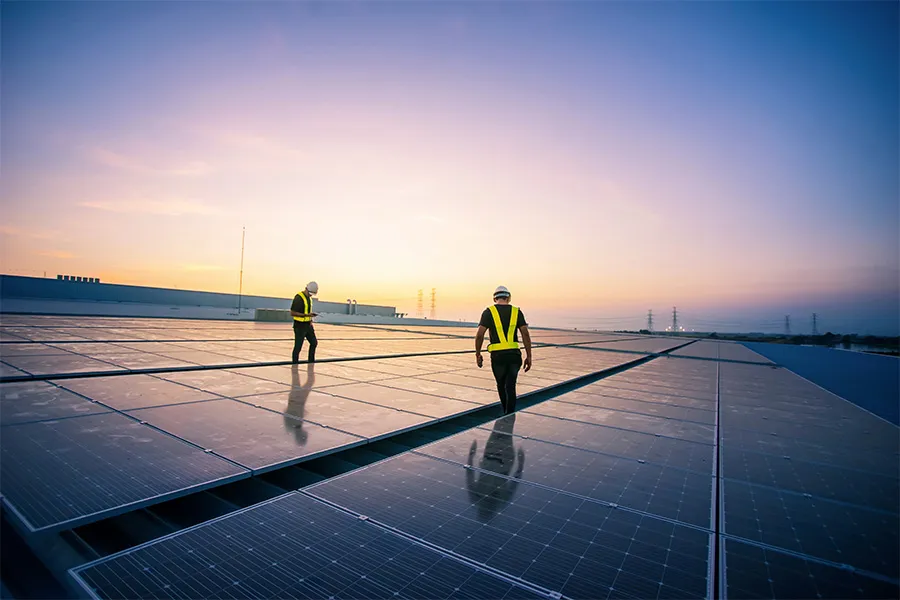
In 2019, the European Commission stated that existing energy policy was not enough. Limited reserves of fossil fuels and the environmental damage they cause make a transition necessary. Measures to improve energy efficiency and accelerate the shift to renewable sources can reduce greenhouse gas emissions. This is in line with the European Union’s ambition to achieve climate neutrality by 2050, as set out in the Green Deal.
As part of this vision, the EU aims to cut CO2 emissions by 55% by 2030 compared with 1990. The European Commission intends to align energy policy with this goal. The Vlaams Energiebedrijf (VEB) was therefore established in February 2012, with the primary aim of improving the energy efficiency of the Flemish government.

Taking complex tendering off clients’ hands
Olivier Olyslaegers, Project Manager for Energy Efficiency and HVAC at the VEB: “The Vlaams Energiebedrijf is an externally autonomous agency (EVA) of the Flemish government. Our aim is to dramatically improve energy efficiency in the public sector, with the ambitious 2030 and 2050 targets in mind, of course. We relieve public authorities of the burden and support them in meeting those targets.”
“If, for example, the head of a school or care home wants to make their building more energy-efficient by insulating the roof, they have to comply with public procurement law and put the work out to tender. But they often have no experience of tendering, no time for it and/or lack the necessary technical expertise. That’s where VEB experts can help. Our experts have already run the tender. The head of the school or care home can then submit a bid. The VEB takes care of the rest of the process, from the study, if required, through to implementation and follow-up.
Framework agreement with consultancies and contractors
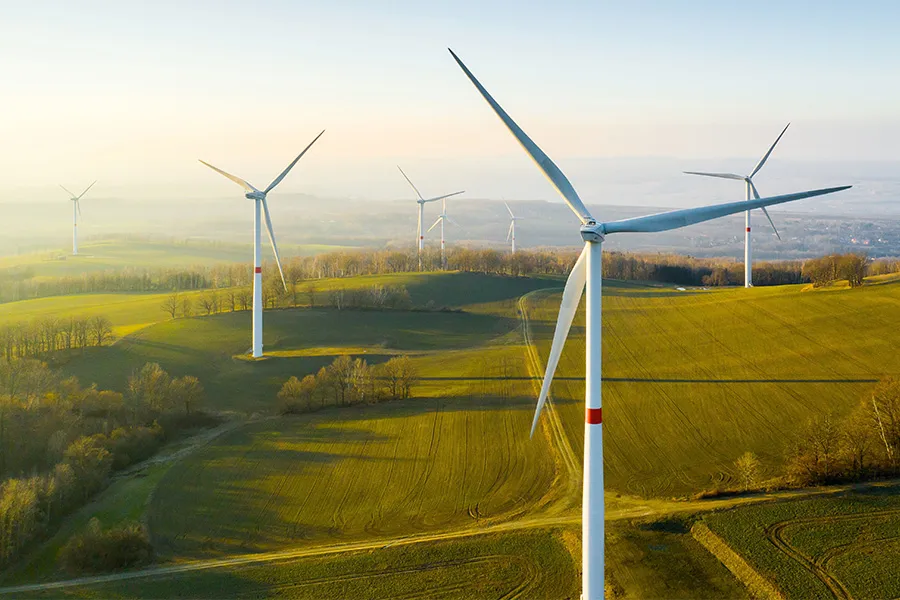
“In practical terms, we have drawn up a framework agreement. A number of parties that meet all our requirements have signed up to it,” Olivier Olyslaegers explains. “Make no mistake, the VEB doesn’t take any shortcuts. We have the work carried out by companies we have selected following a very thorough process. In this way, we have selected high-quality consultancies and contractors to facilitate and carry out the work. As the client, you don’t have to go through all the steps involved in formal public procurement yourself. This naturally makes the process much quicker, saves you time and means you don’t need technical expertise. We have already completed the entire process on behalf of our clients. This also enables us to quickly assign work to our partner or partners.”
Study first, installation afterwards
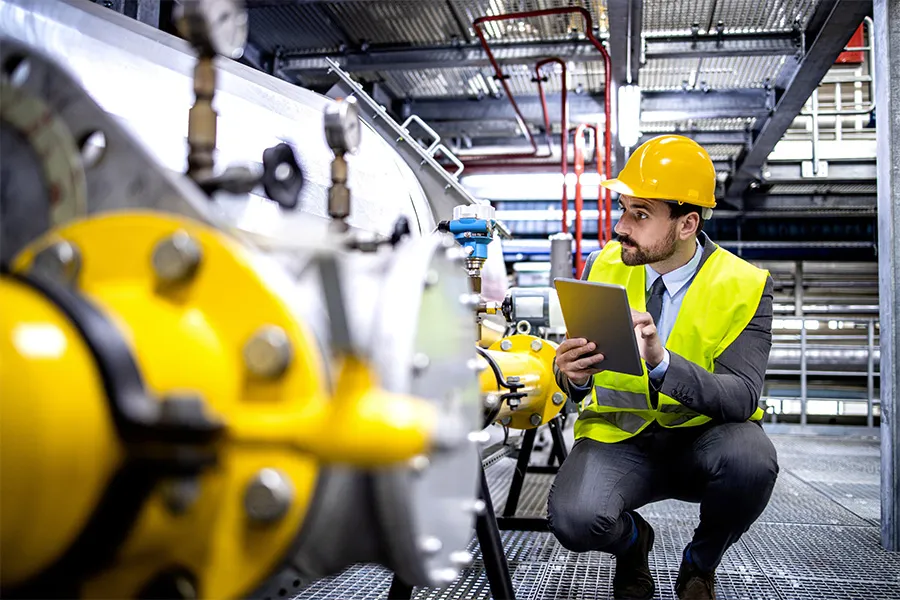
“The VEB has framework agreements covering every aspect of the energy transition. These include, for example, property strategies, analytical tools for measuring a building’s energy efficiency, planning tools and more. I work in the ‘study and contracting’ team. Our portfolio includes specific services related to energy savings, such as framework agreements for insulating flat and pitched roofs, insulating an entire building envelope, cavity wall insulation and HVAC installations. Naturally, we inspect the building concerned before starting any installation work. If, for example, the insulation is inadequate, there’s little point in installing a heat pump. We then advise the client on what should be done first. We’re trying to tackle buildings one at a time. It will still be a major challenge, but this is how we’ll manage to meet the 2030 and 2050 targets. That’s what we’re working towards,” concludes Olivier Olyslaegers.
Question about this story? Ask your question
Keep following this
Get an email when a new story is published. No account needed.
- SubjectHVAC







