











Electrification and hydrogen: the keys to success

After a difficult year marked by Covid-19, Bosch Thermotechnology is looking to the future with confidence. The company reports that it maintained its turnover at 3.5 billion euros despite the pandemic and the associated lockdowns. According to the company, the trend towards electrification and the expansion of its air conditioning and heat pump range were key contributors to its success. “By shifting away from fossil fuels towards electrification and digitalisation, we have helped drive the energy transition in the construction sector. We will continue to grow with these energy systems of the future,” says Jan Brockmann, President of the Bosch Thermotechnology Division.
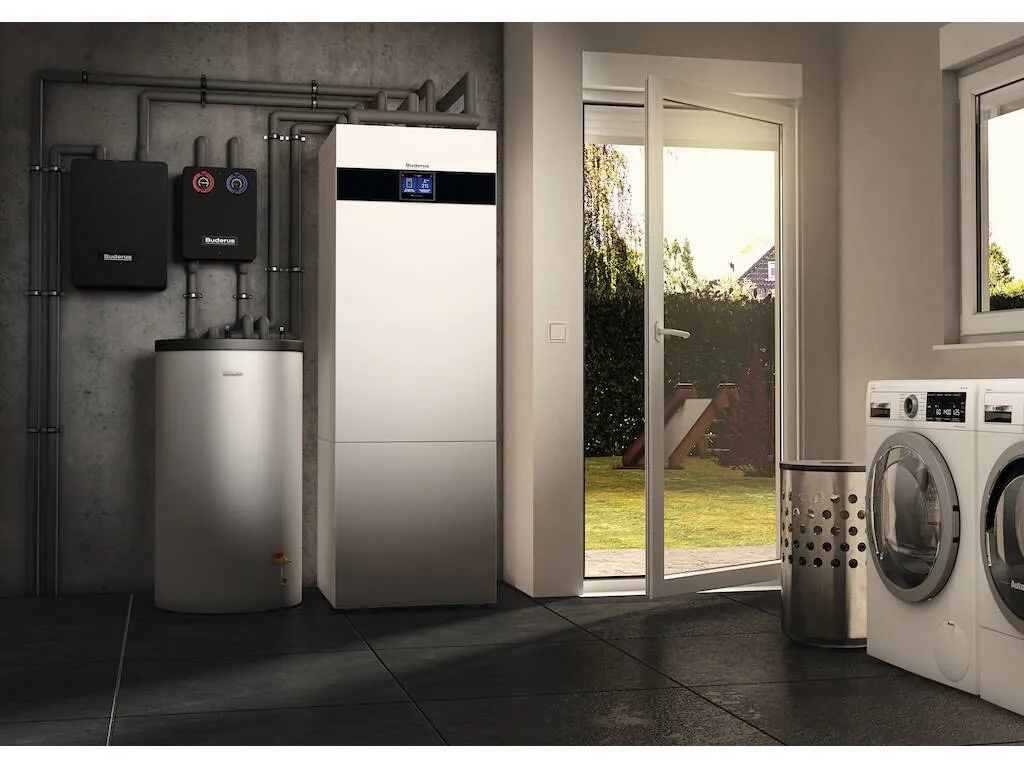
Electric applications are becoming increasingly important in heating and air conditioning. These products use energy particularly efficiently. Back in 2019, Bosch Thermotechnology invested 100 million euros in expanding its heat pump business. Those efforts have paid off, explains Jan Brockmann. “In 2020, we recorded growth of 22.5 per cent in heat pumps across the EU. In Germany, our heat pump business grew by as much as 48 per cent. That is why we are continuing to invest in heat pumps in 2021. We want to train our customers to help them make the shift to electrification. This will accelerate our growth and the pace of electrification, and therefore CO 2 savings in the residential sector,” says Brockmann. “We want to electrify homes across Europe with regionally adapted heat pumps and hybrid appliances that offer the best of both worlds. Two things are paramount: straightforward installation for installers and ease of use for end customers,” says Jan Brockmann.
Energy-efficient air conditioning
Electrification is not only the order of the day in heating. Bosch Thermotechnology will also expand its range of energy-efficient air conditioning units powered by electricity. These air-to-air heat pumps operate efficiently when used for both cooling and heating. This application is common in smaller detached homes and flats in warmer regions. In many countries, including here, air conditioning is essential in homes and commercial buildings to create a comfortable and healthy indoor temperature. “With our air conditioners, we want to contribute to health and well-being while also helping to reduce CO 2 emissions sustainably,” explains Jan Brockmann.
Hydrogen alongside electrification
The shift to climate-neutral gases is also an essential part of the EU Green Deal, which aims to make all EU countries CO 2 neutral by 2050. Bosch Thermotechnology is promoting multi-technology solutions that embrace hydrogen (H²) as an environmentally friendly energy carrier of the future, alongside electrification. Hydrogen is easier to store than electricity and can be distributed through the existing gas network. “Alongside our focus on electrification, we need a hydrogen strategy for the heating market to achieve a CO 2-neutral energy system. Combustion equipment will still be needed in the coming decades. That is why we are already investing in an H²-Ready portfolio. We clearly support a multi-technology approach. This will prepare us to meet our climate targets through a range of pathways,” says Jan Brockmann. In November 2020, Bosch Thermotechnology presented the prototype of its H2-Ready boiler. This new boiler can initially run on conventional natural gas or a hydrogen blend of up to 20 per cent. Once the local network has switched to hydrogen, the boiler can be converted to run on pure hydrogen in a few hours, with a few modifications. The first field-test unit running on pure hydrogen has been operating in a detached home in Great Britain since September 2020. More large-scale pilot projects will follow soon.
Digital services
Partly as a result of the pandemic and the associated lockdowns, Bosch Thermotechnology is continuing to invest in digital services and online customer support. “Coronavirus has taught us that digitalisation opens up new opportunities. We were inundated with registrations for some of our online training courses. Especially at a time when face-to-face contact is severely limited, expanding our digital services gives us the opportunity to make our strong brands even stronger and build greater awareness of them among customers,” says Thomas Bauer, a member of the management team responsible for sales and marketing.
Question about this story? Ask your question
Keep following this
Get an email when a new story is published. No account needed.
- SubjectHVAC







