Clean air for a healthy life
To ensure optimum indoor air quality, the focus in the Netherlands and Belgium is often on temperature, humidity and CO₂. However, controlling particulate matter is just as important, says AFPRO Filters. This can help prevent health problems such as cardiovascular disease, respiratory problems and cancer. To filter even the smallest and most harmful particulate matter (PM1) from the air, the developer and manufacturer of energy-efficient particulate air filters has now introduced the AFPRO A+ filter. This bag filter complies with the ISO 16890 standard and features an optimised filter design, minimal air resistance and very high energy efficiency. It is no coincidence that this design has been awarded a Eurovent A+ energy label. The renowned pre-layer makes the AFPRO A+ filter very safe and easy to install in any air handling unit.
Particulate matter is one of the main forms of air pollution. It is produced by burning fossil fuels and processing industrial textiles, but can also occur naturally, for example in the form of sea salt and soil dust. Particles can be emitted directly into the air or formed in the atmosphere from gaseous organic substances such as sulphur dioxide, nitrogen oxide, ammonia and methane. Particulate matter is classified by size: PM10 (0.01mm), PM2.5 (0.0025mm) and PM1 (0.001mm), the last of which is the most harmful form. Particles with an aerodynamic diameter of less than 0.1 micrometres can pass directly through the lungs into the bloodstream and spread to the organs, with serious consequences.
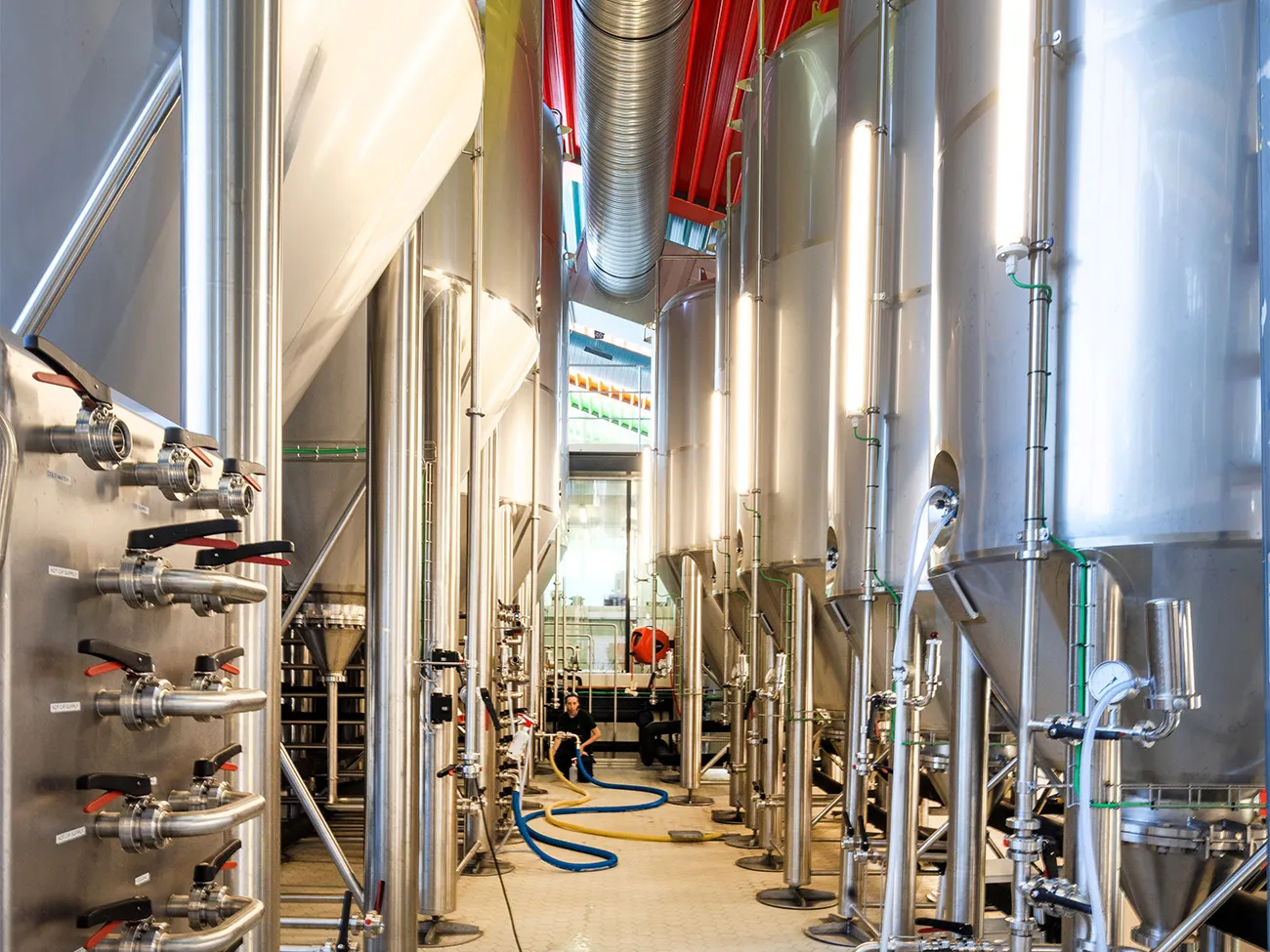
The AFPRO A+ filter complies with the ISO 16890 standard and features an optimised filter design, minimal air resistance and very high energy efficiency.
Clean air is essential
“People breathe every day, every hour and every second without really thinking about it,” says Joost Verlaan, Vice President at AFPRO Filters. “If they did, they would be shocked by the number of toxic particles that enter their bodies with every breath. Although our respiratory system can filter out larger particles effectively, it is the smaller, invisible particles that cause the most damage in the long term. Pollutants are everywhere and can make it difficult for people to breathe or even cause chronic respiratory conditions. These particles can also enter the bloodstream, making the blood thicker, which can lead to heart failure or thrombosis. Clean air is essential in the fight against this.”
Clean air is important everywhere and at all times, but some locations are more affected by polluted air than others. Examples include hotels, restaurants, schools, offices, museums and department stores, as well as hospitals, laboratories and the pharmaceutical industry, which must comply with strict rules to keep their workspaces completely clean. “We assume there is plenty of ‘fresh air’ outdoors, but that is not true,” says Verlaan. “‘Fortunately’, however, most people spend 90% of their time indoors, where conditions can be controlled. By installing a high-quality air filtration system with our latest AFPRO A+ filter, we can remove up to 99.9% of pollutants from the air!”
Low resistance, high efficiency
The AFPRO A+ filter comprises a galvanised steel and aluminium frame containing a synthetic fibre protective layer, a high-quality micro-glass fibre filter medium with optimum filtration efficiency, and a synthetic pre-layer that optimises dust-holding capacity and significantly simplifies installation. “As air passes through the filter medium with minimal resistance, even the smallest particulate matter can be captured very efficiently,” says Verlaan. “The result is optimum indoor air quality and a very low LCC (Life Cycle Cost).”
The AFPRO A+ filter was developed and manufactured entirely in-house by AFPRO Filters. “We see it as our responsibility to keep striving for better products. Particulate matter concentrations in our natural environment are high and can rise further under certain conditions. Our products must therefore not only be able to filter out the smallest possible particles, but also maintain a stable airflow with the lowest possible resistance to save energy. It is a challenge we take on every day, and one we have always risen to so far.” .
Question about this story? Ask your question
Keep following this
Get an email when a new story is published. No account needed.
- SubjectHVAC