Air conditioning is becoming increasingly important: what HVAC installers need to know
Text Wouter PolspoelImage Pixabay en AI
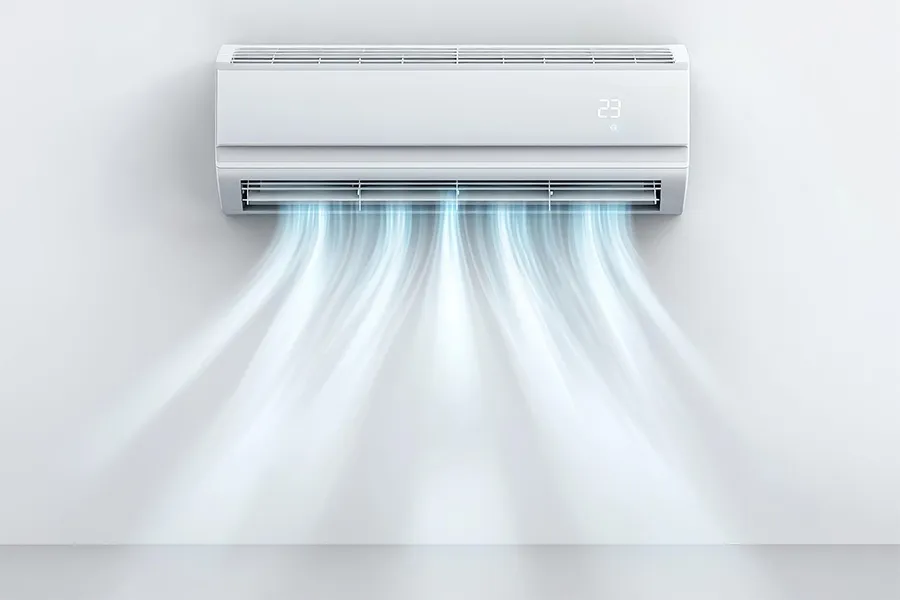
Air conditioning is now an integral part of today’s building stock. While air conditioning was once used mainly in offices, hotels and high-end homes, rising summer temperatures, increasingly stringent EPB requirements and the growing popularity of heat pumps, particularly air-to-air heat pumps, which cool in the same way as air conditioners, have now won over residential customers to active cooling too. As a result, the air conditioning market is in a state of flux: new technologies are making systems more energy-efficient, quieter and easier to use. For HVAC installers, this means more choice and greater complexity. This article outlines what they need to know today.
Traditional air conditioners that only cool are still available, but most systems sold as air conditioners today, particularly for homes and offices, are in fact air-to-air heat pumps. By reversing their operation, they can provide active cooling instead of heating. Air-to-air heat pumps are becoming more important because they are more energy-efficient than conventional heating systems and use an energy source that can be renewable: electricity.
It stands to reason that someone with an air-to-air heat pump will not invest in a separate air conditioning system if their heat pump can also provide active cooling. What is more, combining heating and active cooling in a single unit saves space.
In the rest of this article, therefore, we are referring primarily to air-to-air heat pumps when we talk about air conditioners or air conditioning systems. But, to reiterate, air conditioning units that only cool have not disappeared from the market. They can still be found, for example, in server rooms and industrial applications where heating is not required.
Air conditioners with air purification are gaining ground
The above is nothing new to the average HVAC installer, of course. However, there are a few things they may be less familiar with that are also important to know.
One example is the fact that air conditioners with air purification have gained ground in recent years. Since the coronavirus pandemic in particular, units with ionisation, a technology that actively purifies the air using electrical charges, ed., UV filters or active air purification have become a more popular choice. These air conditioning systems require more maintenance.
Refrigerants under pressure
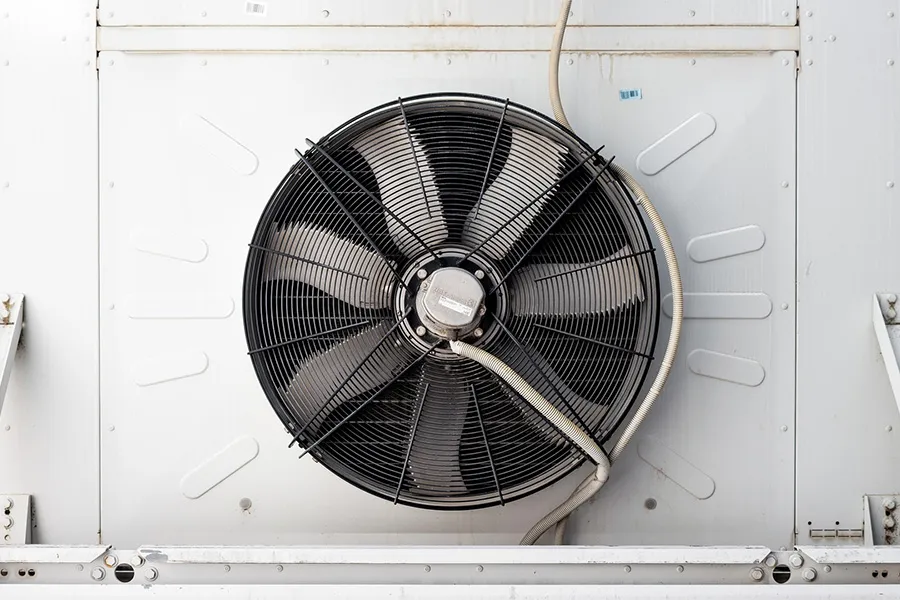
The European F-gas Regulation, which dates back to 2015 but was tightened in 2024, also has direct consequences for HVAC installers. The regulation is driving the HVAC sector to transition more quickly to refrigerants with no fluorine. This is what the F in F-gases stands for. These refrigerants have a lower Global Warming Potential (GWP). R32 is now the standard in most residential air conditioning systems. It replaces R410A, which has a greater climate impact and is less energy-efficient, and whose use in new HVAC systems has been prohibited since this year. Unlike its predecessor, R32 is mildly flammable, requiring adapted working practices, proper ventilation and attention to safety regulations.
For larger systems, more environmentally friendly refrigerants such as propane (R290) and CO2 are also being considered, and these too require specific skills and tools. HVAC installers should also be aware that the F-gas Regulation led to Belgian legislation requiring every system containing fluorinated refrigerants to be registered.
Correct positioning is crucial
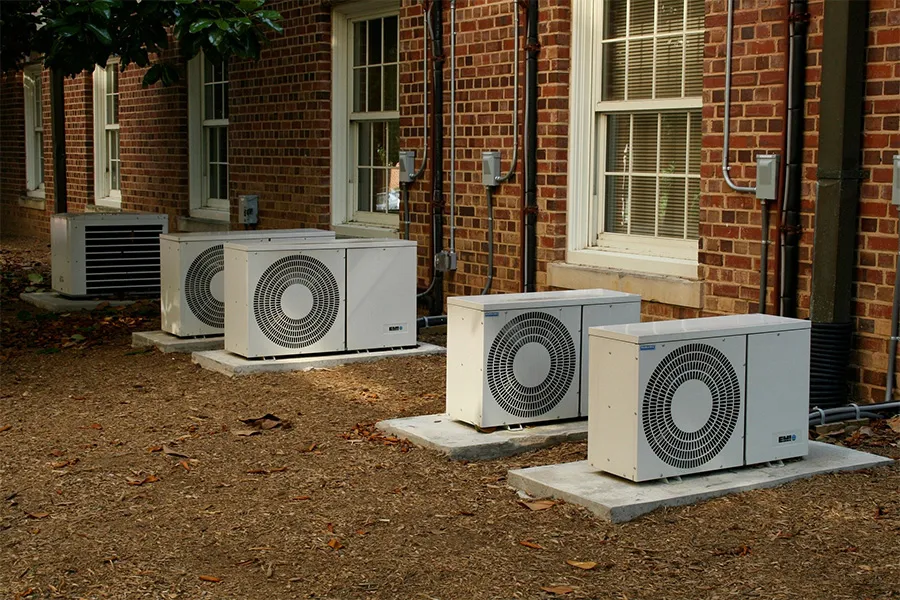
HVAC installers also need to be aware of a few things when installing an air conditioner. First, correct sizing is crucial. Oversized units and pipework provide little extra comfort, but increase energy consumption and the risk of draughts. It is therefore essential to calculate the required system size accurately, based on transmission heat losses and solar heat gains.
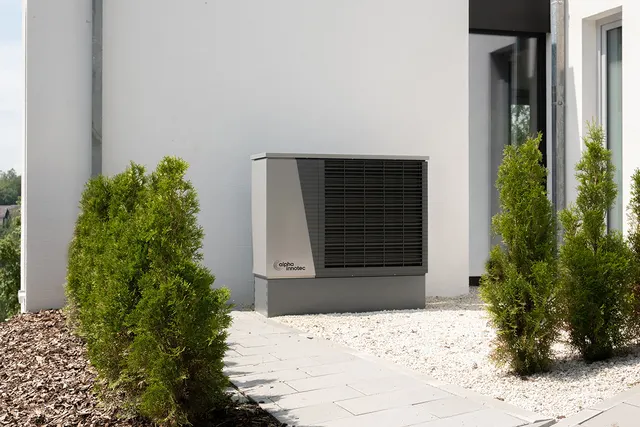
The outdoor unit must not be installed too close to walls, as this drastically reduces its efficiency and significantly increases its noise level. Most end customers are particularly bothered by the latter, which is naturally more noticeable than the former. They also increasingly expect the indoor unit to be whisper-quiet.
The condensate drain must also be installed correctly to prevent unpleasant odours and/or water damage. Cables, fuses and earthing arrangements must be suitable for the actual load and comply with the system’s technical specifications.
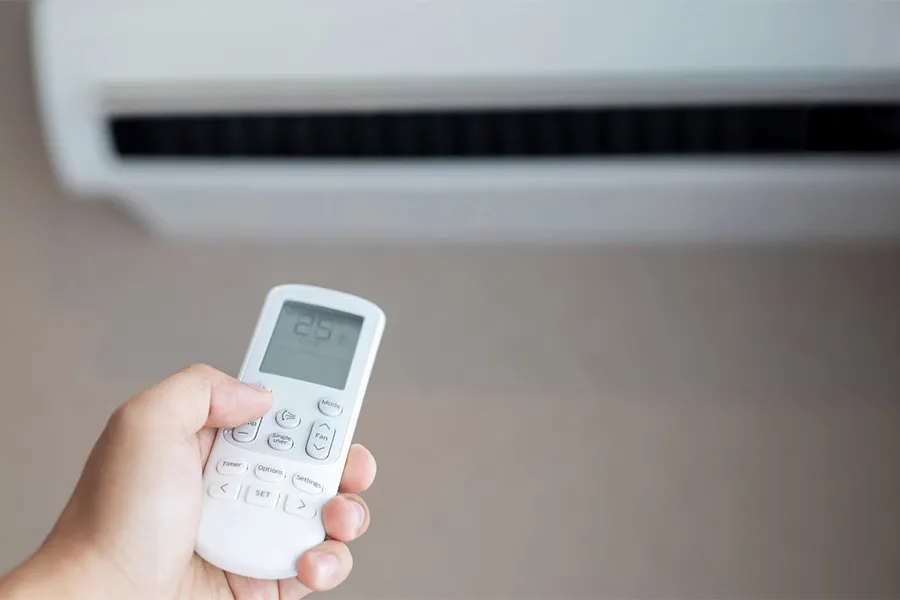
More and more end customers also want air conditioning units to blend neatly into their interiors and be easy to use, meaning they can be controlled via an app or home automation system. Most manufacturers now offer protocols for this, but installers need to know how to use them.
Installation does not end once the unit is in place. HVAC installers should be aware that correctly setting up the controls makes a world of difference to comfort and energy consumption.
Smart controls deliver even better performance
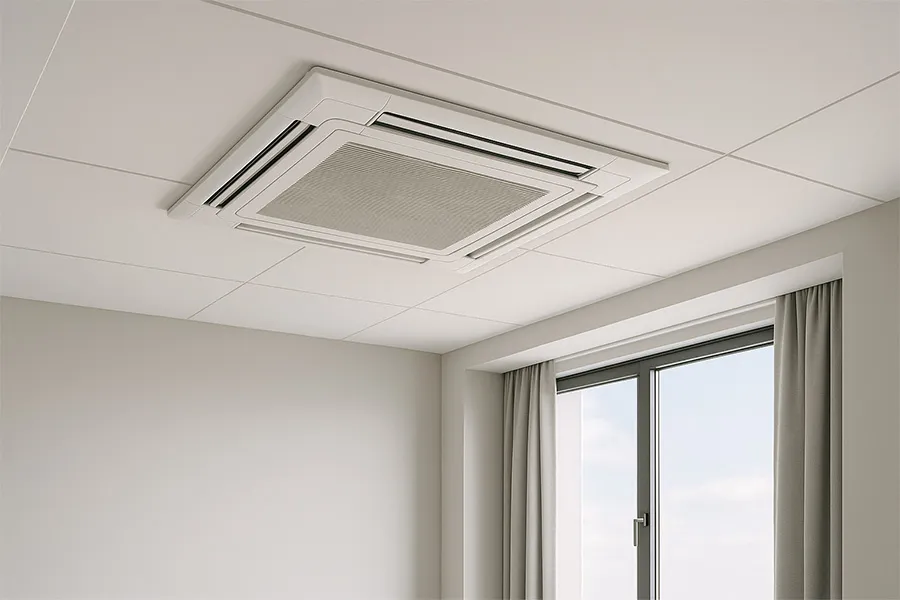
Another point HVAC installers should bear in mind is that some air conditioning units can adjust their operation based on occupancy detection, CO2 concentration or outdoor temperature. This makes them even more energy-efficient and improves comfort. Some units in this product segment can also control the air conditioning in different rooms independently, further improving efficiency.
Maintenance as an additional service
HVAC installers who offer maintenance as well as installation, which is generally needed once a year, naturally build long-term relationships with their customers.
One important point to note about maintenance is that some air conditioners can now flag potential faults or premature wear themselves, making maintenance predictive. It is also important for HVAC installers to choose brands with a good after-sales service and readily available parts. An installer’s own reliability depends in part on the logistics of their suppliers.
In conclusion, the air conditioning market is growing, not only because of rising temperatures, but also because of increasingly stringent EPB requirements and the associated shift towards all-electric systems. HVAC installers who recognise this trend and update their skills where necessary, while continuing to follow the basic principles of correct air conditioning installation, can stand out in this increasingly competitive market.
Question about this story? Ask your question
Keep following this
Get an email when a new story is published. No account needed.
- ThemeFossil-free heating and cooling
- SubjectHVAC