











A healthy indoor climate: what every HVAC installer and electrician needs to know
Text Wouter PolspoelImage Pixabay
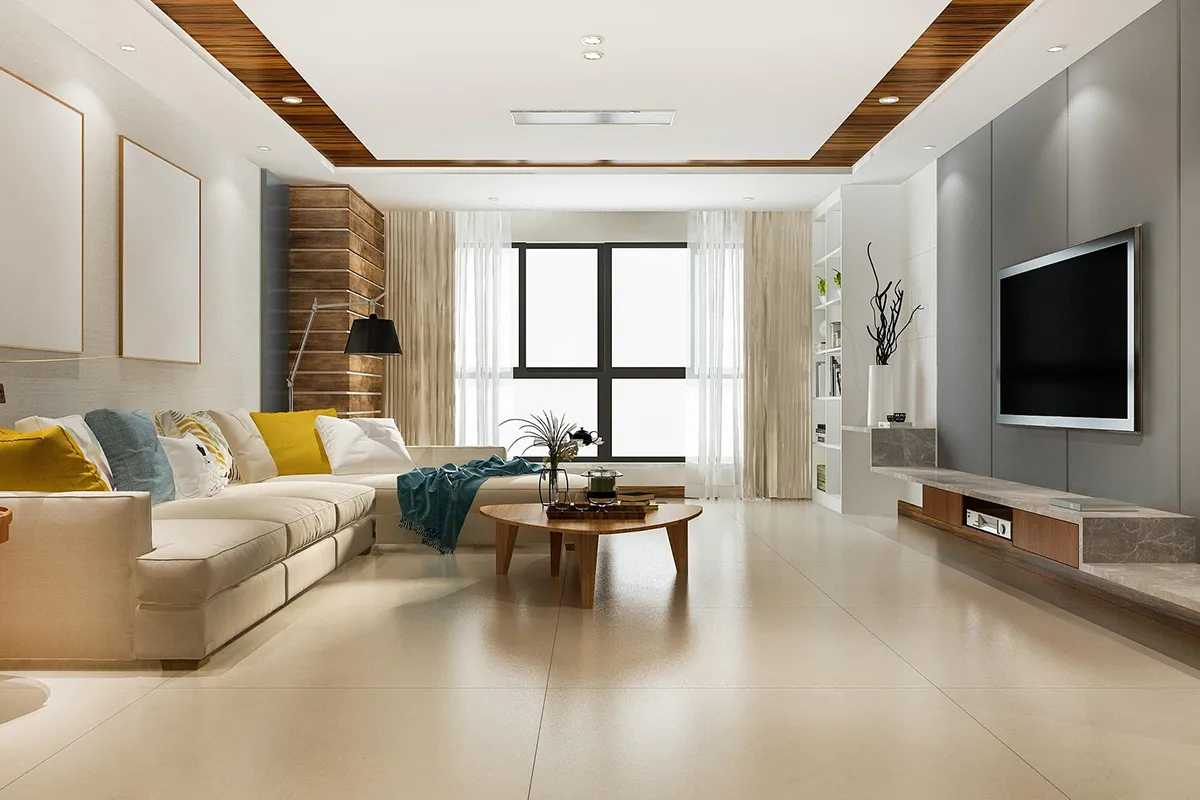
A healthy indoor climate is the holy grail for every HVAC installer. But what exactly does it involve? Why is it so crucial? And what challenges are involved in creating one? This article sums up what installers of heating, ventilation and cooling systems, as well as electricians, need to know about the subject.
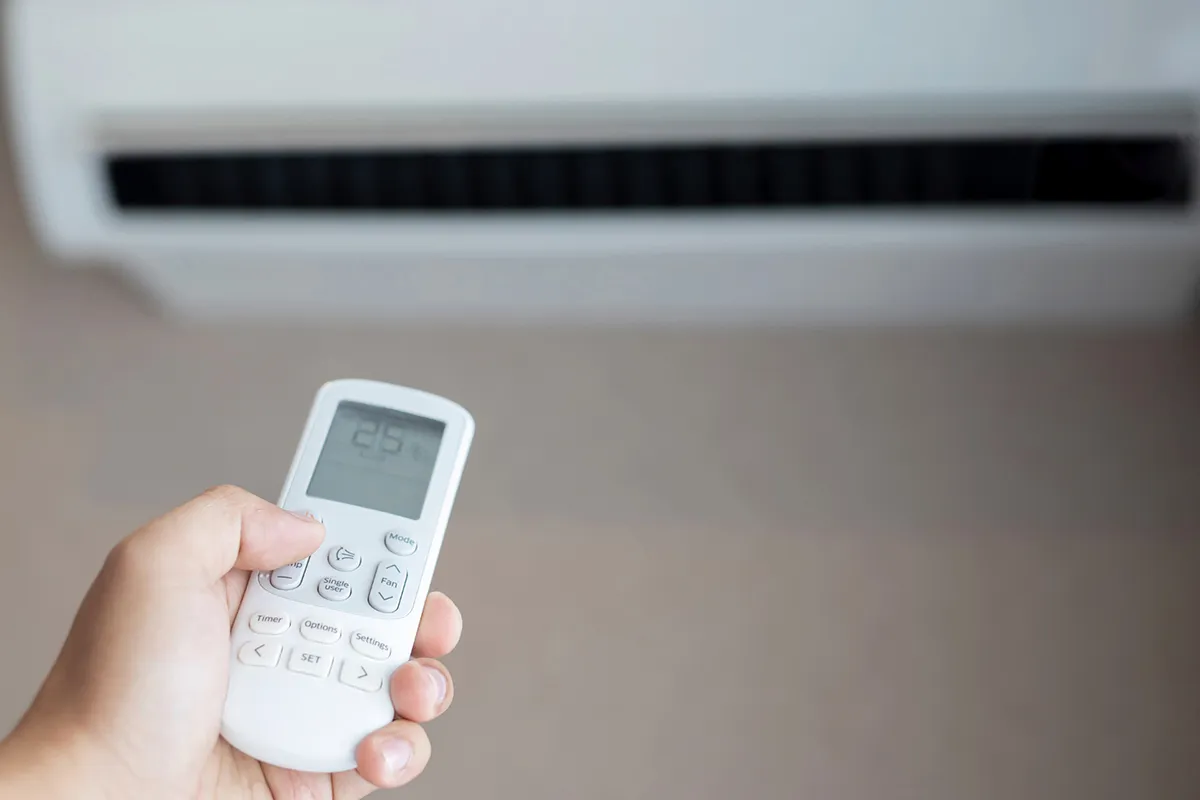
An indoor climate is the environment in which people live and work indoors, shaped by temperature, air quality, humidity, noise and lighting. It can be healthy or poor. A healthy indoor climate prevents health problems among people who live or work in a space, while improving their comfort and productivity, which is particularly important in workplaces. A poor indoor climate can cause issues such as headaches, dry eyes and fatigue, and even serious conditions such as asthma.
So how should the five parameters that determine the indoor climate, namely temperature, air quality, humidity, noise and lighting, be set to create a healthy indoor climate? The temperature should, of course, be comfortable. The ideal figure is subjective, but 21 °C seems a good average. The ideal relative humidity (the ratio between the amount of moisture in the air and the maximum amount of moisture it can hold, ed.) is between 40 and 60%. Good-quality indoor air is free from pollutants such as CO2, mould and so-called volatile organic compounds (VOCs). Good acoustics mean that the sound balance in a space is pleasant and disruptive noise is kept to a minimum. Finally, the space should receive plenty of direct daylight. If this is not possible, high-quality artificial lighting should be installed.
A crucial role for HVAC installers and electricians
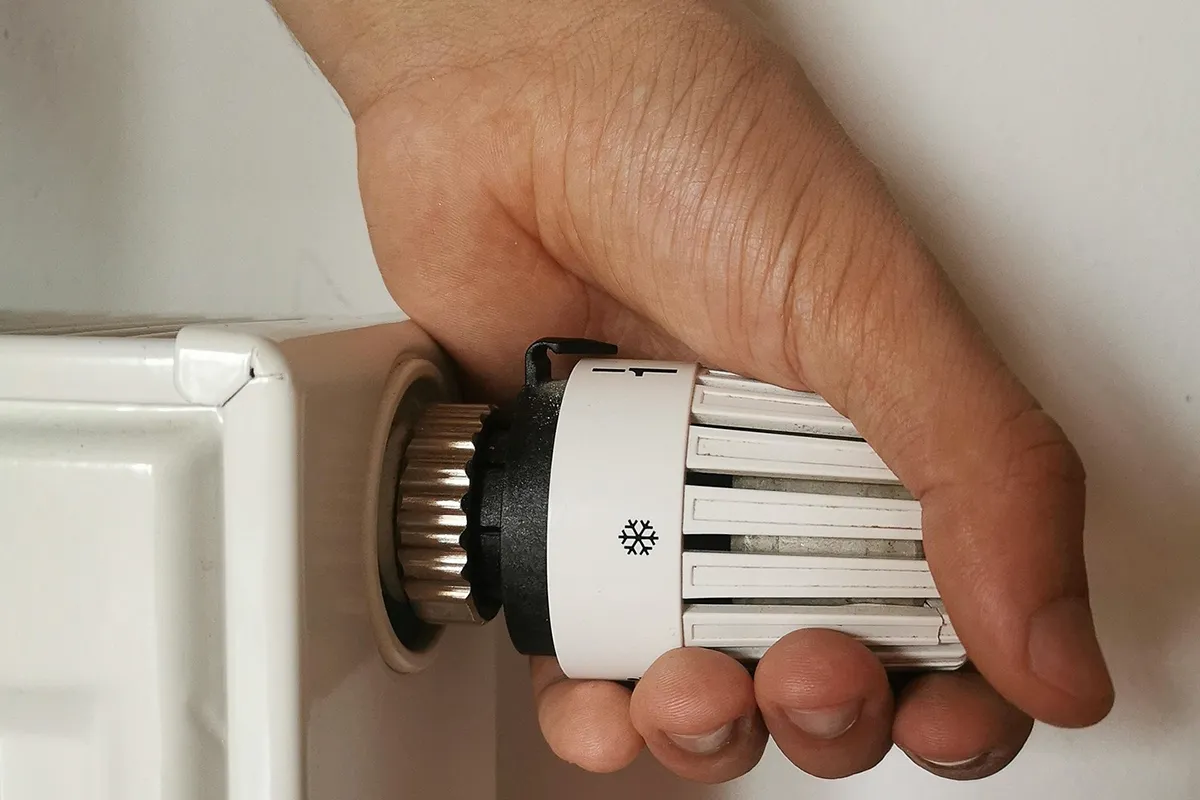
HVAC installers, and electricians in particular, therefore play a key role in ensuring a healthy indoor climate. They install and maintain, and sometimes also design, the systems that directly affect the indoor climate. Installing smart controls for these systems, such as smart thermostats, home automation systems or CO2 meters, is also part of their work.
When it comes to heating, this means heating and cooling systems, often supported by heat pumps or zone control, as well as thermostats and smart sensors that can adjust the temperature dynamically to meet occupants’ needs. Humidity control involves humidifiers or dehumidifiers, which are particularly valuable in new-build homes with airtight building envelopes. Ventilation solutions help ensure good air quality. A balanced ventilation system with heat recovery, for example, is a suitable way to supply fresh air and extract stale air. If a space receives too little direct daylight, high-quality artificial lighting is essential. Smart lighting controls that adjust lighting to the users’ biorhythms can further enhance the contribution of light to indoor comfort. Acoustics may not be directly associated with HVAC installers, but they can still help create a pleasant acoustic environment by choosing systems with quiet fans and/or insulated ductwork where necessary.
Any HVAC installer or electrician worth their salt will install the right solution in the right place to create a healthy indoor climate and explain it clearly to their customers. But where exactly can they add value? First, by keeping up with and applying market developments that can further improve the indoor climate. Self-learning thermostats that recognise usage patterns, or systems that adjust ventilation according to measured air quality, are just a couple of examples of recent innovations. Second, by offering maintenance contracts. These enable HVAC installers and electricians to guarantee their customers a healthy indoor climate in the long term. Finally, they can recommend bespoke solutions where necessary, which may sometimes mean modifying existing systems. Every building is different, and users’ needs vary. A family with young children has different requirements from an older person living alone.
Challenges
Although today’s technology already makes it perfectly possible to create a healthy indoor climate, challenges remain in providing a healthy and comfortable indoor environment. First, balancing a healthy indoor climate with energy efficiency can sometimes be difficult. Consider a well-insulated home that still needs adequate ventilation. In addition, people using a space often lack sufficient knowledge of their own role in maintaining a healthy indoor climate. Awareness needs to be raised. For example, many people do not know that opening windows in a space with balanced ventilation can make the indoor climate less healthy. The importance of proper maintenance is also not widely understood enough. Replacing filters, cleaning ductwork and readjusting systems are essential for keeping HVAC systems performing well.
Looking to the future
Finally, what does the future hold for indoor climate? The answer is yes, with society’s growing drive for sustainability underpinning every future trend. First, we can expect further improvements in the energy efficiency of technical solutions for creating healthy and comfortable indoor environments. In addition, the materials used to make these systems will increasingly be sustainable, meaning reclaimed, recycled, bio-based, renewable, reusable or recyclable. The solutions will also become increasingly modular, making repairs easier and enabling individual components to be reused. Finally, as more clients call for buildings with sustainability certifications such as WELL or BREEAM, a healthy indoor climate, which is an essential criterion in the certification procedures for these schemes, will move further up the agenda.
In conclusion, HVAC installers and electricians play a crucial role in creating a healthy indoor climate. It is not a luxury, but a basic requirement for healthy, comfortable living and working. By continuing to invest in knowledge of the latest technologies and in customer service, as well as by offering maintenance contracts, they can set themselves apart and strengthen their position in the market.
Question about this story? Ask your question
Keep following this
Get an email when a new story is published. No account needed.
- ThemeHealthy air and summer comfort
- SubjectHVAC







