What gets measured gets managed: data is key to understanding climate solutions
Text Johan DebaereImage CaTeC
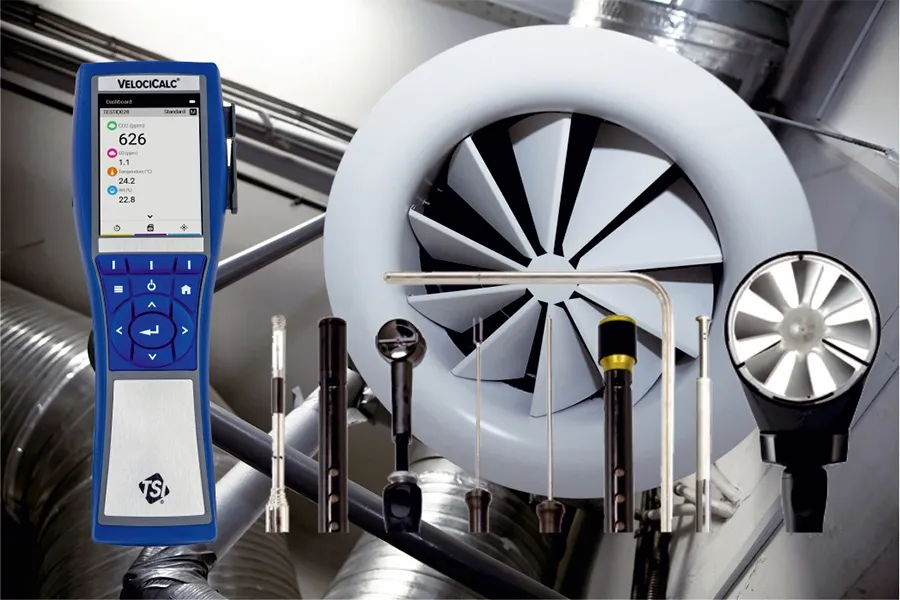
A sound understanding of climate applications starts with knowledge, and therefore with measurement. The range offered by CaTeC focuses on this, with measuring instruments, sensors and data logging systems to measure, store and transmit parameters such as CO2 and humidity levels, ventilation rates and indoor temperature. CaTeC, which also supplies measurement solutions for meteorological parameters and outdoor climate data, is more than just a one-stop shop for solutions that provide insight into climate applications. It also offers pre- and after-sales advice, maintenance and calibration.
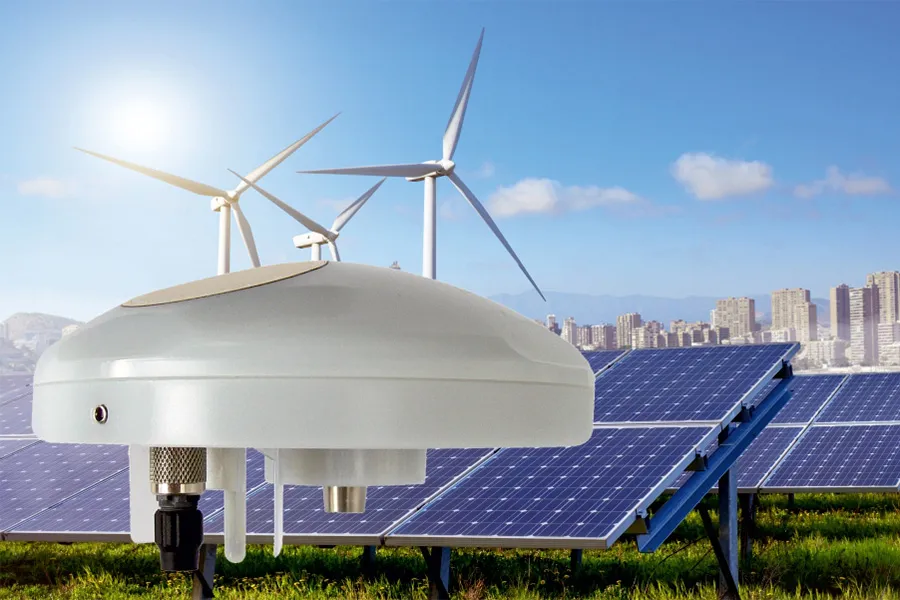
CaTeC is the Benelux importer of a broad range of measuring instruments, sensors and transmitters. The focus is on measuring meteorological and indoor climate parameters, and recording and analysing these measurement signals. “We help make our surroundings more liveable, supporting the climate and wellbeing. That is why we want people to be able to obtain and manage a wide range of measurements and translate them into valuable information. These include relative humidity, dew point, temperature, air velocity and volume, wind speed and direction, barometric pressure, CO2 and other greenhouse gases, twilight levels, precipitation, visibility, flow rate …”, says Francis van Dooren, area sales manager BeLux at CaTeC. “Our suppliers are market leaders in the products they develop, and our customers are installation companies and consumers. For indoor climate measurement, we supply fixed systems, handheld meters, modules and data loggers for small installations, for example in low-energy and passive houses, as well as for larger and more complex projects, such as monitoring air quality in schools and operating theatres, analysing pressure in insulation spaces, or supporting HVAC systems in the pharmaceutical industry.”
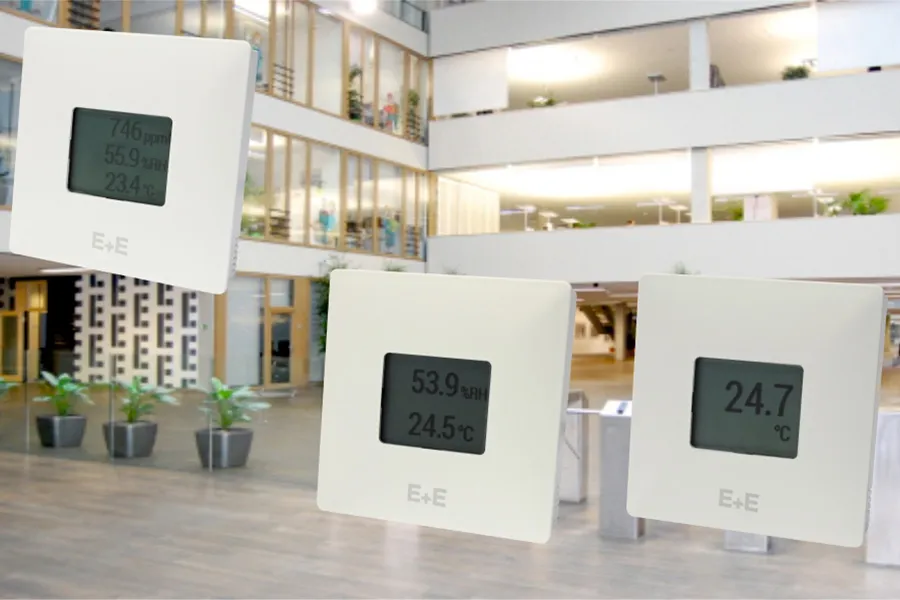
Measuring instruments for meteorological conditions
Logging climate parameters and weather conditions is very important, for example when renovating or restoring monuments. Clay brickwork must not be stripped if the air is too humid, while it must not be too hot to work with limestone. “Accurate weather monitoring also helps optimise building automation. One of our products is the USM1+ ultrasonic weather station, equipped with sensors to measure wind, precipitation, relative humidity, temperature, barometric pressure and light. The device also features a ceramic precipitation detector that detects precipitation and prevents pollen and insects from producing false readings. An algorithm also calculates global radiation from data supplied by the Lux light sensors,” explains the area sales manager. “The compact WSC11 was developed for smaller buildings with a building management system, as well as for agricultural and horticultural applications. This station measures relative humidity and temperature, wind speed and direction, light in the east, south and west directions, barometric pressure, twilight, precipitation and global radiation. The unit is equipped, among other things, with a sensitive and hard-wearing ceramic sensor for measuring precipitation, a GPS module and three Lux sensors to control the solar shading.”
Measuring and controlling indoor air quality
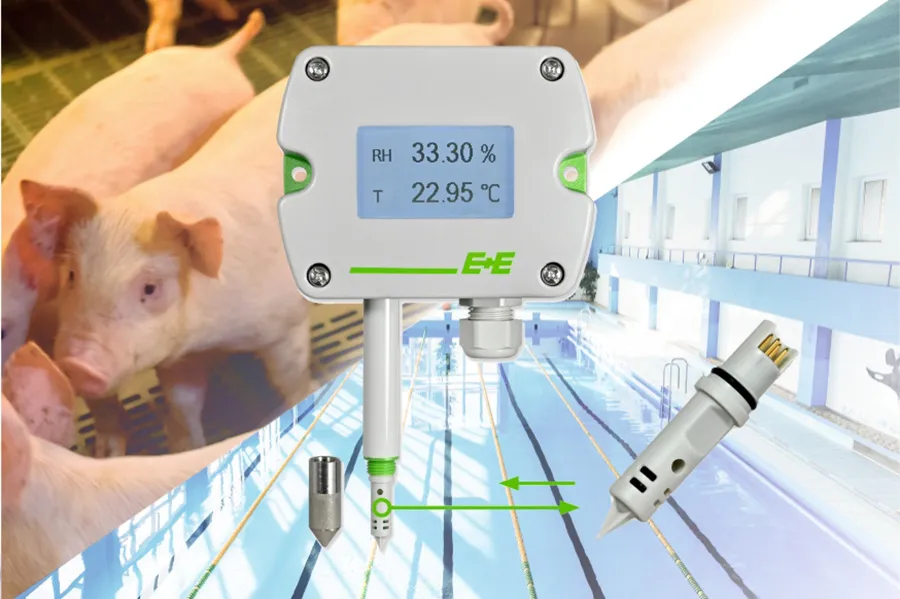
Relative humidity, CO2 levels and temperature all affect indoor air quality. Measuring instruments and sensors for this purpose can be installed in various locations throughout a building. The data collected provides a detailed picture of the indoor climate, allowing ventilation and temperature, for example, to be adjusted automatically and continuously.
“It is important to choose good sensors that enable continuous monitoring. This allows ventilation to respond quickly to changes and reduce CO2 levels. Accurate outdoor measurements also lead to energy savings. The system can use fresh outdoor air to cool the building, avoiding energy-intensive mechanical cooling. Sensors also enable the ventilation system to adjust the supply to seasonal variations. Ultimately, all this contributes to a comfortable and healthy indoor climate,” says Francis van Dooren. “Our range includes, for example, the versatile CDS201 room sensor with analogue and digital outputs, which combines CO2, temperature and relative humidity measurement. The handheld meters in the TSI family are used to balance HVAC systems for air velocity, flow rate and other climate parameters, such as temperature, differential pressure, CO2, CO and relative humidity. Finally, there is also the EE212, a unique concept in relative humidity transmitters for HVAC applications.”
Dedicated service and calibration department
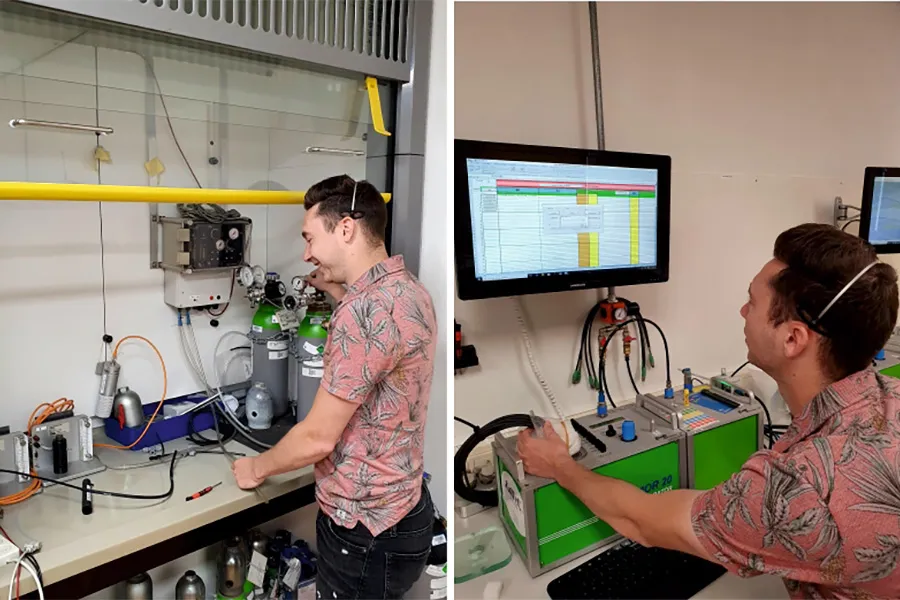
CaTeC also guarantees high-quality service. A team of specialists advises and assists customers with their purchases. “We also carry out overhauls and maintenance on our own-brand products, as well as calibrating systems on site or in our own calibration lab, which is equipped with various facilities, including climate chambers, light benches, gas installations and an accredited wind tunnel. This ensures that installers can rely on accurate and precise measurements. CaTec is therefore the ideal partner to guide projects from A to Z,” concludes Francis van Dooren.
Een zakelijke vraag aan CaTeC? Get in touch
Companies in this story

Keep following this
Get an email when a new story is published. No account needed.
- ThemeHealthy air and summer comfort
- SubjectElektroTech
- CompanyCaTeC