Installing lighting in a car park
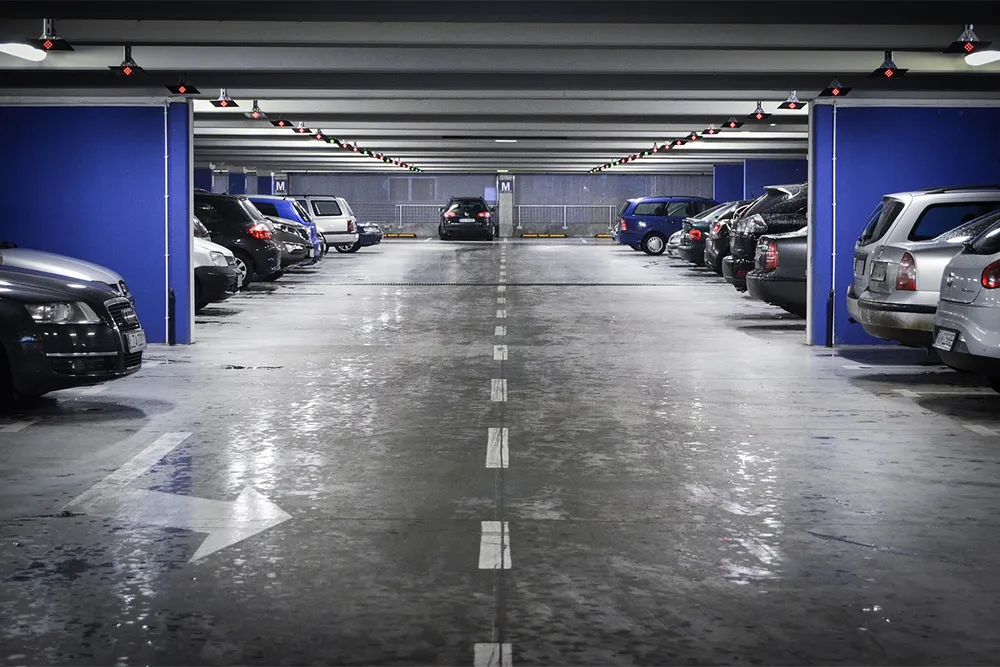
Installing lighting in a car park calls for a considered, professional approach. Good lighting is essential for user safety and to promote a sense of wellbeing. In this article, we discuss the key considerations and steps professionals should follow when installing lighting in a car park.
Risk assessment and lighting design
Before you start installing car park lighting, it is crucial to carry out a thorough risk assessment and draw up a detailed lighting design. Identify potential risk areas such as entrances, exits, bends, stairways and parking spaces. The design should take into account various factors, including illuminance, colour temperature, uniformity and glare control. Use tools such as DIALux or other lighting design software to create an accurate simulation of the car park’s lighting requirements.
Choose the right luminaires
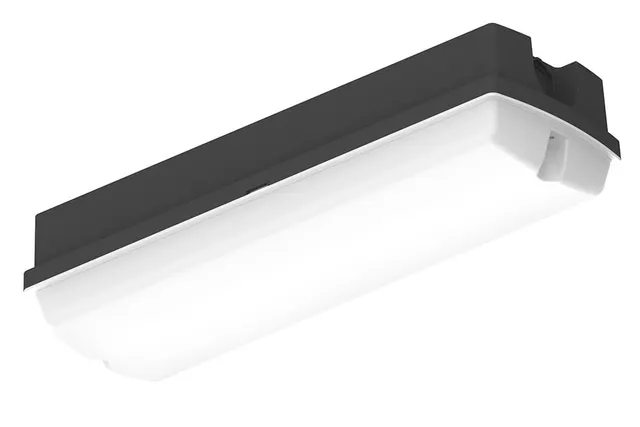
Based on the design and specifications, select the right luminaires. Choose luminaires that meet the IP65 rating for protection against moisture and dust, given the often damp conditions in car parks. LED lighting is often the best choice thanks to its long service life, energy efficiency and low maintenance costs.
Installation and positioning
When installing the luminaires, their positioning is essential for optimum lighting. Ensure even illumination without dark spots or shadows. Position luminaires at entrances, exits, stairways, ramps and anywhere else users may be present. It is also important to consider the mounting height. In general, a height of around 2.5 to 3 metres above ground is ideal for providing sufficient lighting without glare.
Use of motion sensors and dimmers
To save energy and extend the service life of the lighting, consider using motion sensors and dimmers. Motion sensors can be integrated to switch the lighting on automatically when someone enters the car park and off when the area is not in use. Dimmers allow the light intensity to be adjusted according to the time of day or level of use. This can help create a comfortable and safe environment while minimising energy consumption.
Regular maintenance and checks
After installation, regular maintenance and checks are essential. Periodically check for failed lamps, damaged luminaires or other issues that could affect lighting performance. Draw up a maintenance plan and ensure any problems are dealt with promptly.
Question about this story? Ask your question
Keep following this
Get an email when a new story is published. No account needed.
- ThemeSmart building integration
- SubjectLighting