“Put your project in the right light”
Text Tom RampelberghImage Unsplash, Exterus, ERCO, Performance in Lighting
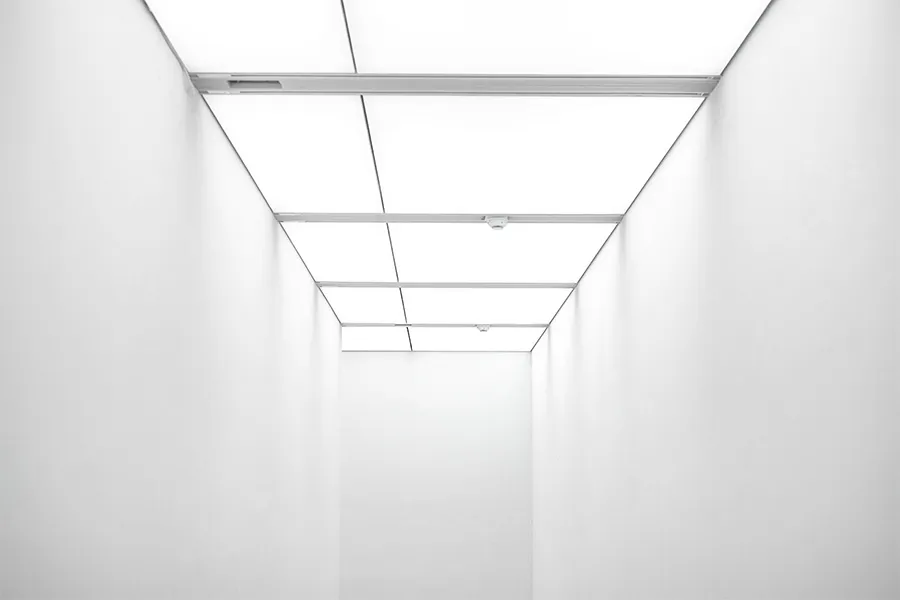
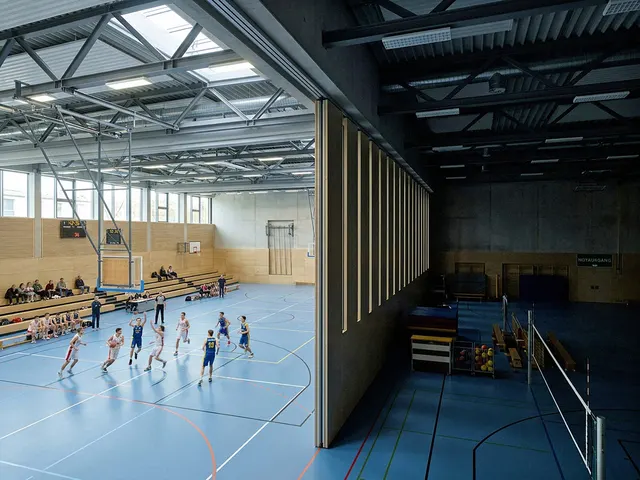
There is no need to explain how important lighting is to a project. Yet we still all too often see it being planned right at the end of the building process, with all the consequences that entails. Isn’t it time to change this way of thinking? A well-considered lighting plan requires knowledge of several other factors, especially when daylight is part of the equation.
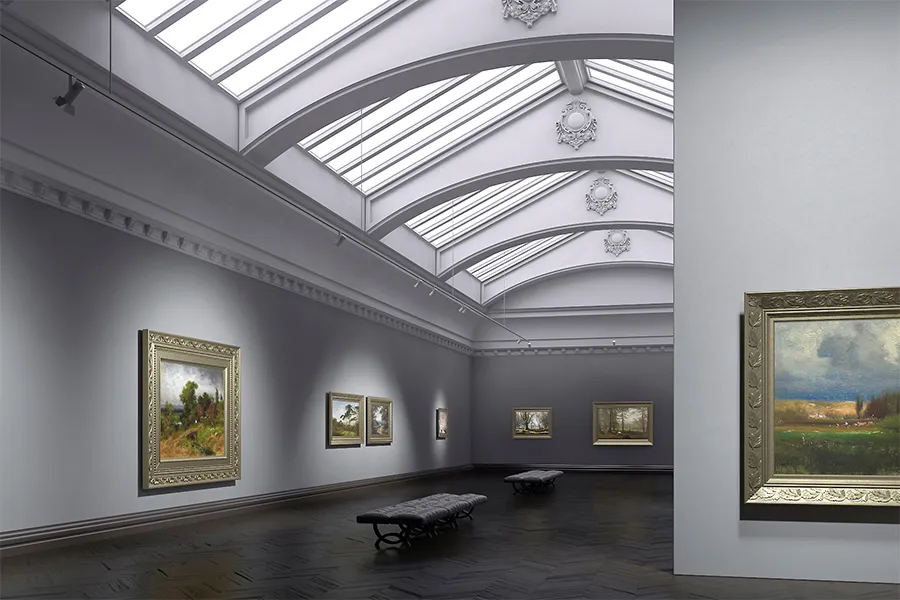
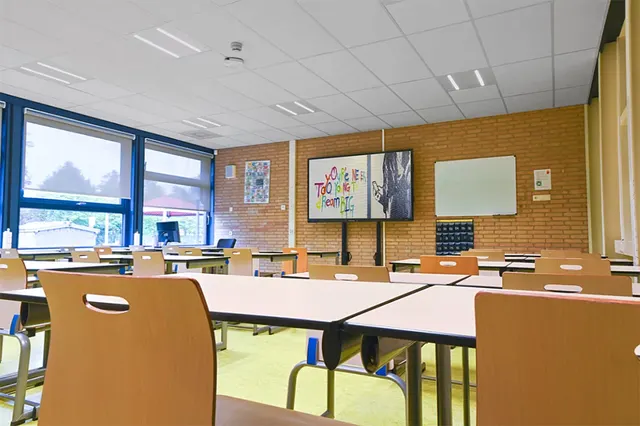
Catherine Lootens, cluster manager at Groen Licht Vlaanderen, a lighting cluster with more than 80 affiliated Flemish organisations, gets straight to the point: “Daylight is number one, really. It is the most important factor for human wellbeing and should therefore never be overlooked when designing a lighting scheme. But daylight’s great advantage, namely that it is almost always available and is free, is probably also its main drawback. It is so much taken for granted that it is easily forgotten. Moreover, lighting design still focuses too much on regulations and/or meeting standards, even though wellbeing and visual comfort are at least as important.”
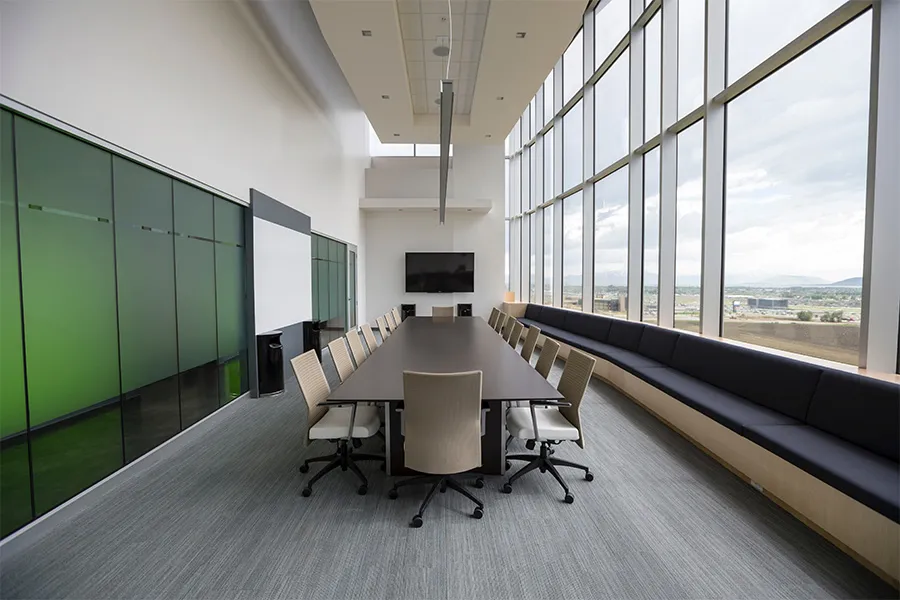
“One idea for tackling this? What if, when drawing up the initial lighting design, ideally in the very early stages of a building project, we worked with daylight alone? We would then know its parameters, and would ‘only’ need to add artificial light. If anything changes during the building process, we would simply incorporate those changes into the lighting design to achieve a consistent result.”
A unique experience
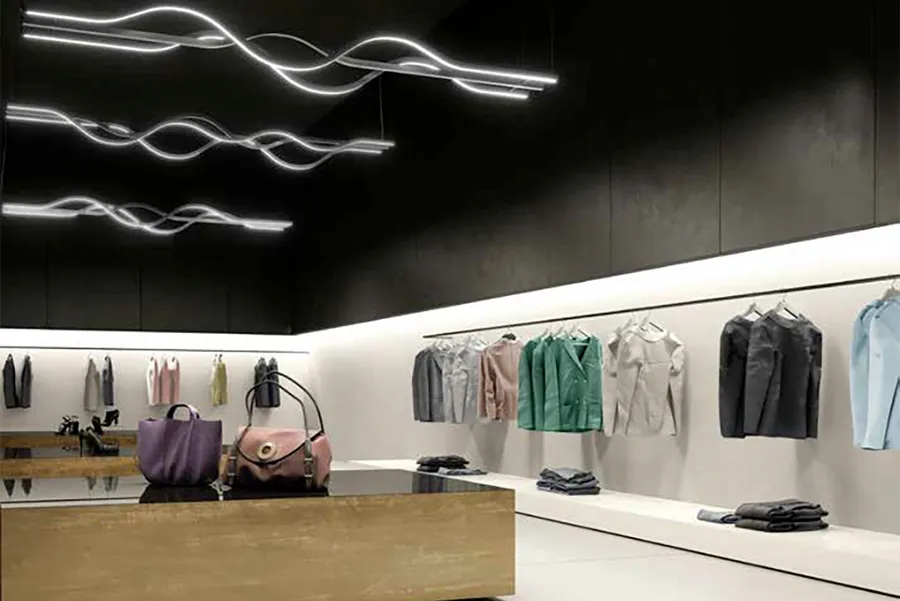
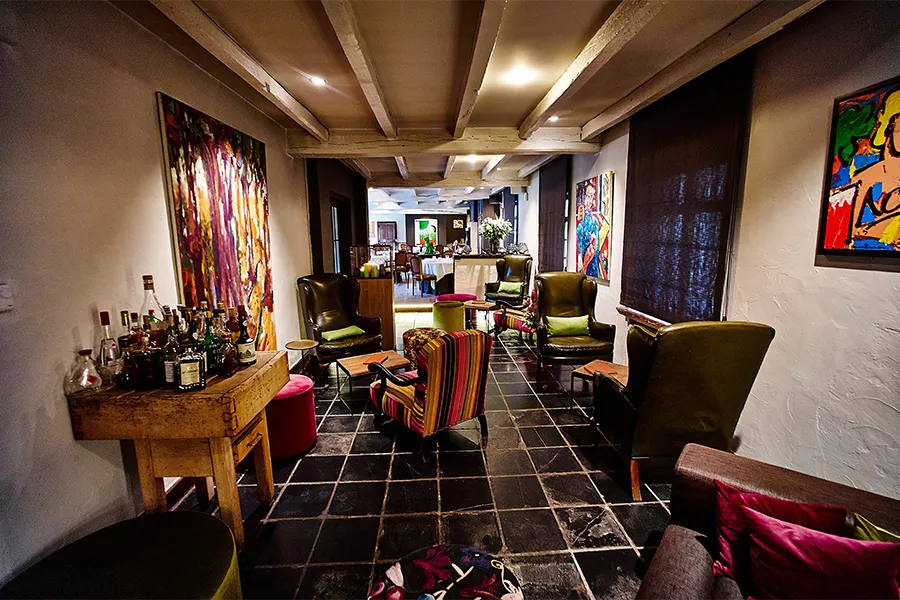
Good lighting can make or break the atmosphere in a home. But the impact of good shop lighting on a shop’s success should not be underestimated either. Shop lighting does far more than simply illuminate the space. It influences the customer’s experience of the shop and their purchasing process, known in industry jargon as the customer journey. With carefully planned shop lighting, you can effectively guide visitors around the premises. Where is the best place for items that need a little extra attention? How can you put a particular product literally and figuratively in the spotlight? How long does a (potential) customer stay in the shop? Today, lighting is part of a complete retail and brand experience, alongside the interior, use of colour and music. “Use general lighting and accent lighting to ensure customers can see clearly in the shop while subtly guiding them towards particular products,” say specialists in the field. “But also make good use of the properties of light to shape how products are perceived. Clothing, food and other goods look their best with the right mix of light colours and light distribution.”
International project
Museums, art galleries and retail projects all call for the best lighting solutions to present works of art and products at their best. But those responsible expect more than that. Understandably, they want the best lighting solution, with luminaires that draw attention to the item they illuminate without distracting from it. Present, but unobtrusive, you might say. Several manufacturers active in this field are now developing, or have already developed, extensive product families. These include spotlights, so-called wallwashers and other track systems, and use a range of optics to create the desired light beams.
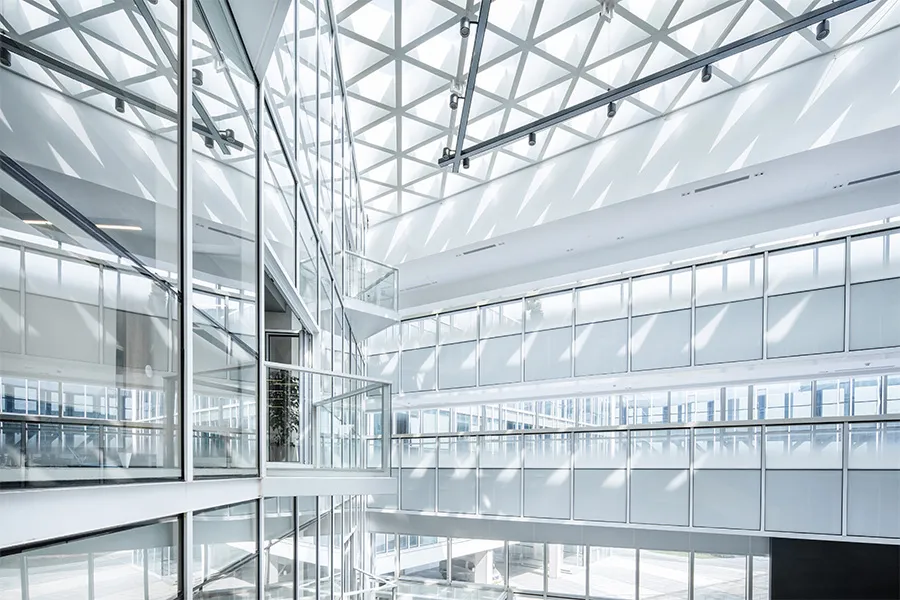
The development of luminaires for museums is also the subject of an international project involving the Laboratorium voor Lichttechnologie van de KU Leuven, Gent and Groen Licht Vlaanderen. The project partners in ‘Shape the Light, Art for light, Light for Art, as the project is called, aim to explore new approaches to luminaire design for art and heritage. At its annual Licht Verteerbaar event, the Laboratorium voor Lichttechnologie van KU Leuven, Gent delivered a training course on the specific technological lighting requirements for luminaires used in museums. It focused on the optical, photometric, colorimetric and digital properties of lighting devices, with the aim of providing an optimised lighting instrument for innovative lighting design. A fascinating project that we will continue to follow closely.
Question about this story? Ask your question
Keep following this
Get an email when a new story is published. No account needed.
- ThemeSmart building integration
- SubjectLighting