Circular lighting at Antwerp Management School
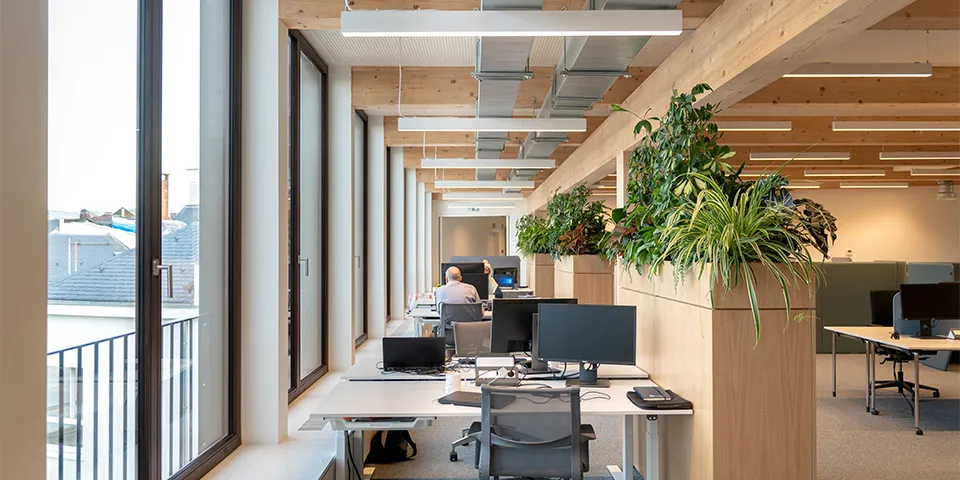
Until recently, Antwerp Management School leased several buildings from Universiteit Antwerpen. It built its own campus when the university indicated that it intended to use the buildings itself. The lighting in the new building was leased rather than purchased, a groundbreaking concept.
Antwerp Management School opted for a lighting service that is only just getting off the ground. It approached Signify and developed one of the first circular lighting projects in Flanders. Tom De Fruytier of Signify: “We want to provide our customers with the perfect lighting. Today, customers buy their products from a particular manufacturer. However, we have great faith in the emerging circular economy and are proud to have delivered one of the first projects in Flanders with Antwerp Management School.”
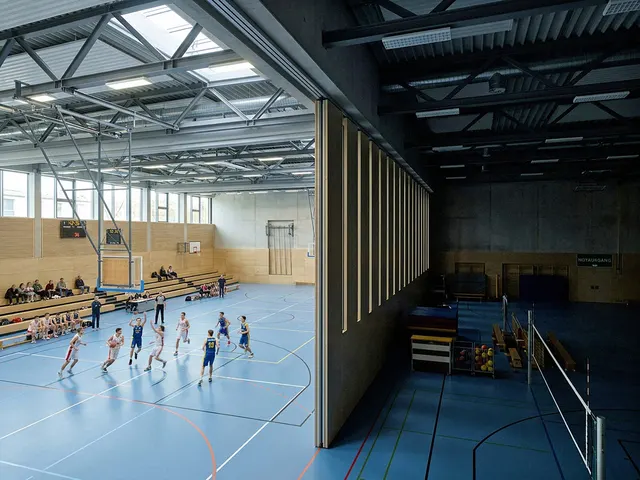
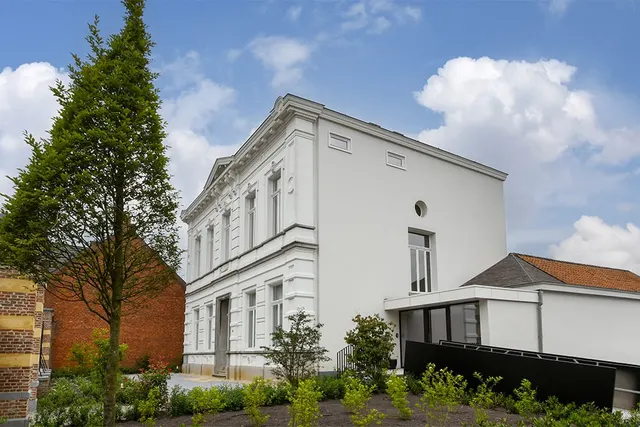
The new building at Antwerp Management School is one of the first projects in Flanders to feature circular lighting.
A different way of thinking
Today, customers buy their lighting fixtures from a manufacturer. At the point of sale, the customer assumes full responsibility for the fixtures. This means they must ensure that the installation is maintained so it continues to deliver the required lighting performance. At the end of the fixtures’ service life, the customer also decides what happens to them. This is an example of a transaction in what is known as the linear economy.
The circular economy works very differently. The manufacturer remains the owner of the lighting installation, while the customer pays a (fixed) monthly fee for the duration of the contract. The manufacturer is also responsible for maintaining the products so they deliver the required lighting performance throughout the contract. Once the contract ends, the manufacturer arranges for all the products to be collected and processed in the most appropriate way.
De Fruytier: “Circular lighting calls for a different way of thinking. Manufacturers do not receive the full cost of the installation as a single payment, but instead receive an agreed monthly amount. From an accounting perspective, shifting Capex to Opex often has benefits too. What’s more, the customer has nothing to worry about. Signify knows its products best and coordinates local partners to carry out preventive maintenance when needed, helping products last as long as possible. The positive environmental impact is twofold: customers can accelerate investment in energy-efficient LED lighting, and we make the best possible use of the raw materials required.”
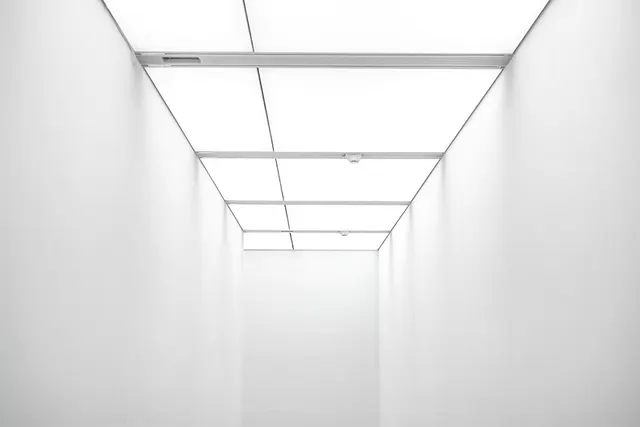
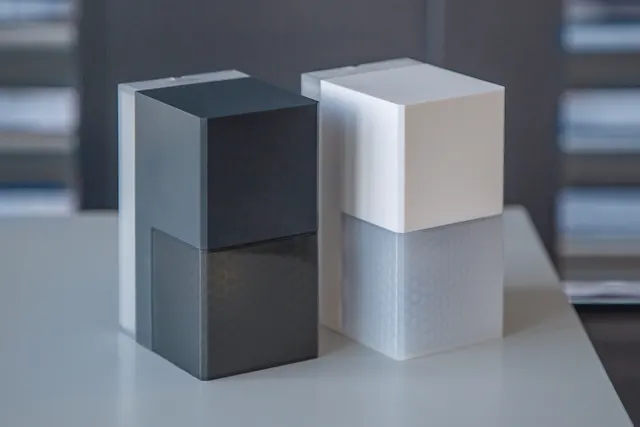
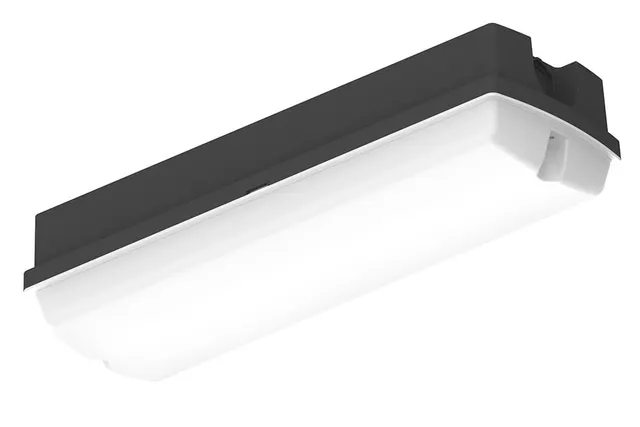
At the end of the contract, the different light fittings are processed appropriately.
What happens to the equipment?
For the duration of the service contract, the manufacturer guarantees specific lighting performance. Maintenance, repairs and technology upgrades are therefore included in the contract to ensure that performance is maintained. One key question that always comes up is what will happen to the equipment at the end of the contract. Signify sees a number of possible options. One is to refurbish the fittings so they can be used again. This involves replacing or repairing certain components. The second option focuses on the components. Equipment that can no longer be refurbished may still contain components that can be reused. All other components enter the recycling process, allowing any valuable materials to be recovered.
Antwerp Management School
The new building at Antwerp Management School opened at the start of the 2019-2020 academic year. Signify and the management signed a contract for ten years, with an option to extend it by a further five years. Several parameters were clearly defined, and Signify guarantees that they will be met throughout the contract. The installation will also be maintained at the appropriate intervals.
Question about this story? Ask your question
Keep following this
Get an email when a new story is published. No account needed.
- ThemeSmart building integration
- SubjectLighting