How sunny is the future of PV installations?
Text Piet AndriesImage Pexels, TAE, Falken en Nissan Energy
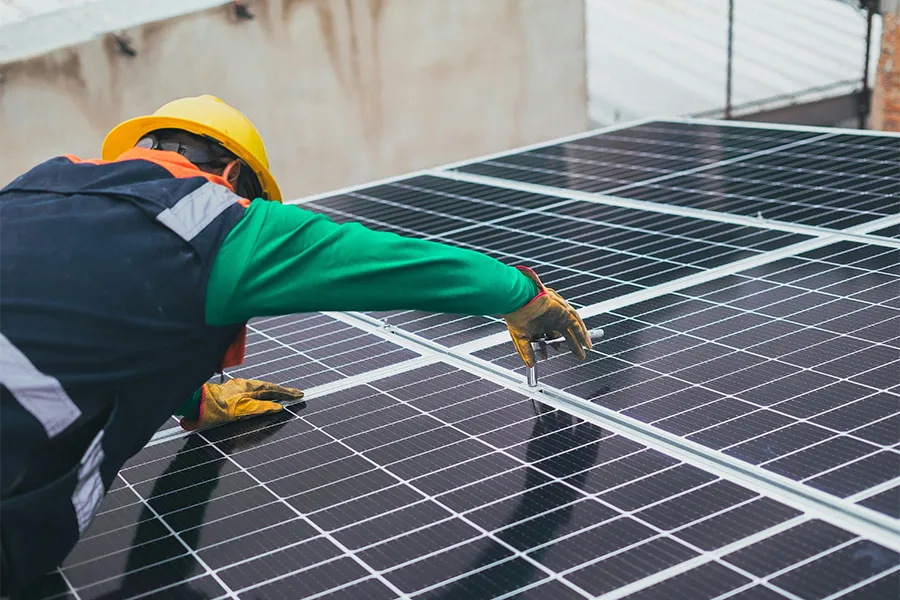
Negative feed-in tariffs, falling prices for home batteries and the latest European directive on the energy performance of buildings have put PV installations firmly in the spotlight as a lever for the energy transition. Yet the road to a higher share of solar power remains beset with obstacles and challenges.
PV installations have been impossible to ignore in the news lately. From this year, a digital meter is also mandatory for all solar panel owners, the meter that runs backwards can finally be consigned to the museum, politicians are wrangling over negative feed-in tariffs, and plug-in systems, following the example of other countries, will be legally permitted from spring.
The prime minister’s official residence also had solar panels installed at the start of this year, 242 in total. This illustrates how the shift to green electricity is taking shape and how it is reaching new heights, especially in Flanders, where the milestone of one million PV installations is now firmly established. That amounts to almost 7 gigawatts of capacity, equivalent to the output of seven large coal-fired power stations, and puts Flanders “on the European podium for solar panels per capita”, according to Flemish Minister for Energy Melissa Depraetere.
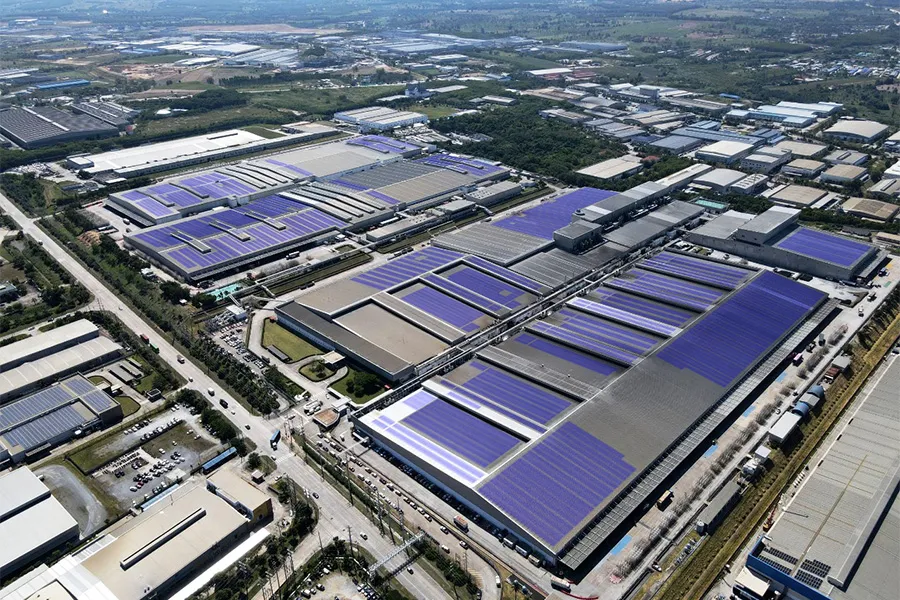
Negative feed-in payments
But success comes at a cost. It is now inevitable that solar panel owners will have to pay to feed their free, self-generated electricity into the grid, even on variable tariffs. The so-called negative feed-in payment will require greater flexibility from end users, with heat pumps and electric cars in the spotlight, but so far the change does not seem to have thrown the sector
off course.
A recent survey of installers shows that a majority expect turnover to rise this year, although this will not be immediately attributable to photovoltaic products, but rather to a broader energy offering. This includes EV charging points and solar water heaters, as well as home batteries, which are becoming an increasingly integral part of the PV installation ecosystem.
Home battery installations in Flanders fell sharply by 58% in 2023 (19,364 units), reaching their lowest level since 2020, according to figures from energy supplier Fluvius. This slump followed the end of subsidies and the stabilisation of electricity prices after the energy crisis. As a result, the payback period became more uncertain than ever and more dependent on consumption and installation costs.
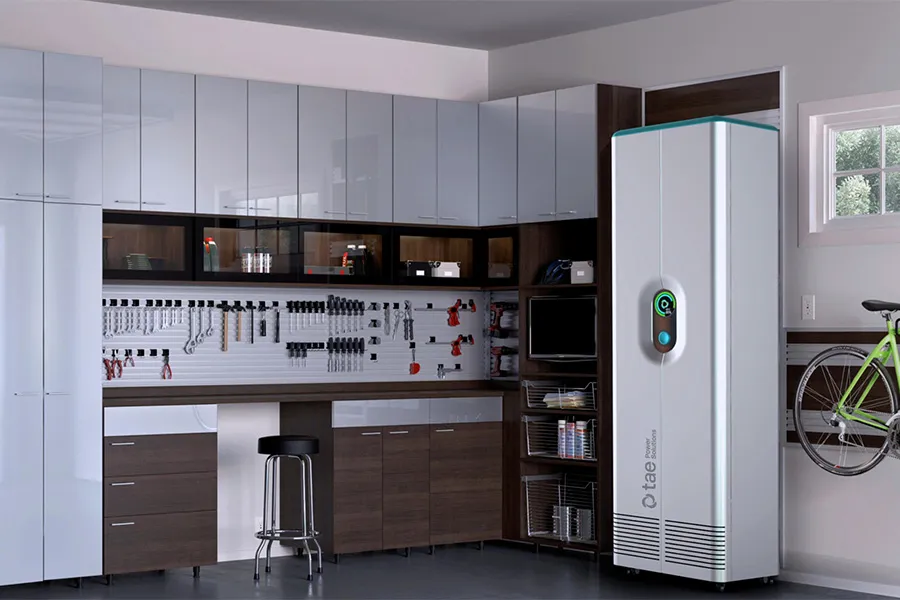
Home batteries on the rise
Interest has recently picked up again, and installers’ steady confidence is far from unfounded. Online quote-comparison platform Bobex saw the number of requests for home batteries triple in the final quarter of last year. The reason? This is partly due to the end of the meter that runs backwards and the prospect of negative feed-in tariffs, which reduce the benefit solar panel owners get from feeding electricity into the grid. In addition, wholesale battery prices halved in 2024, making the solution more attractive. Costs are expected to remain stable this year. Home batteries currently cost between 3,500 euros (5 kWh) and 8,000 euros (10 kWh), and have a lifespan of ten to fifteen years.
Installers have therefore learnt to diversify. They can offset a dip in demand for solar panels with a broader offering of heat pumps, home batteries and energy storage solutions of all kinds. The arrival of plug-in home batteries, which will be permitted from 17 April 2025, will further boost this trend. These batteries simply plug into a socket and do not require expensive installation. This lowers the upfront cost and could encourage wider adoption. The sector expects a payback period of between six and fifteen years, depending on capacity and energy consumption.
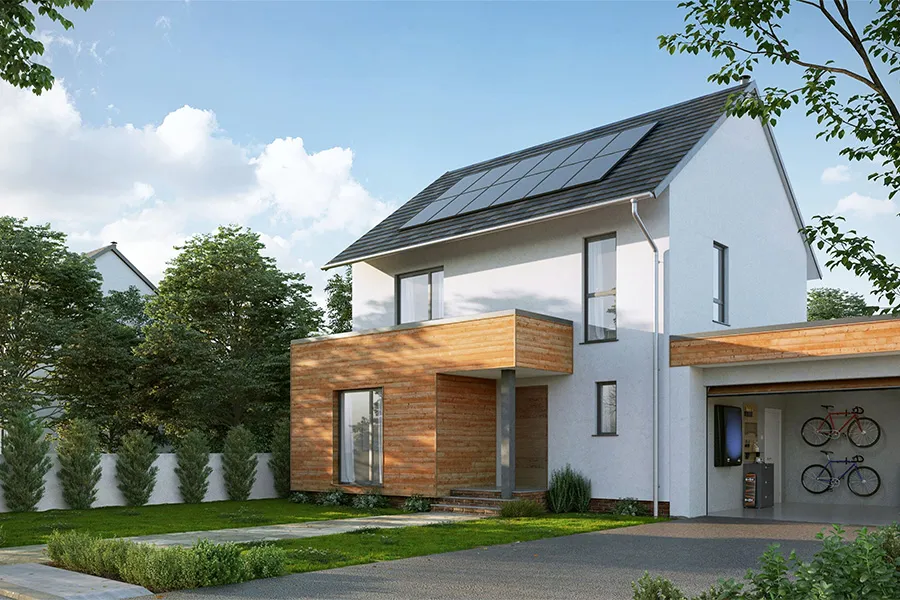
Do it yourself …
The same applies to plug-in solar panels, also known as balcony solar panels. Households will be allowed to connect two of these panels (up to 800 watts) without having to notify the authorities. Unlike traditional PV installations, these are installed by the end user, making them easier to sell to tenants, on a balcony, flat roof or in the garden, and connected to an earthed socket. The built-in inverter converts the generated direct current straight into usable alternating current. Simple and effective.
Expectations are high for this approval, which also takes effect in April. In Germany, for example, a frontrunner in this sustainable DIY solution, as many as four million systems are reportedly already in use. The Belgian government aims for these plug-in systems to cover a quarter of consumers’ electricity use. Although installation time and effort fall to the end user, this does not leave professionals empty-handed. It is always advisable to have these installations thoroughly checked by an installer to ensure they are connected correctly and safely.
Nine-month extension
Finally, the PV market will receive a further boost in the near future from the fourth version of the European Union’s Energy Performance of Buildings Directive (EPBD). It requires Member States to improve the energy efficiency of commercial and public buildings and install solar panels (for buildings with consumption of 1 gigawatt hour per year or more). Failure to do so will result in heavy fines (400 euros for every missing kilowatt-peak). The directive must be incorporated into national law by May 2026 at the latest, with 2029 set as the deadline for new homes.
Our country is already at an advanced stage in this respect. Nevertheless, questions remain. No fewer than 41% of business roofs are ageing or lack the load-bearing capacity for anything beyond lightweight solar panels. The government has therefore granted businesses a nine-month extension for installation, but they must still sign the contract by 30 June 2025. The process is not yet running smoothly, but it is clear that regulations, together with market trends, are making PV installations look set to become standard practice in construction projects.
Question about this story? Ask your question
Keep following this
Get an email when a new story is published. No account needed.
- ThemeEnergy generation and smart use
- SubjectElektroTech