EV charging points in car parks: a special case
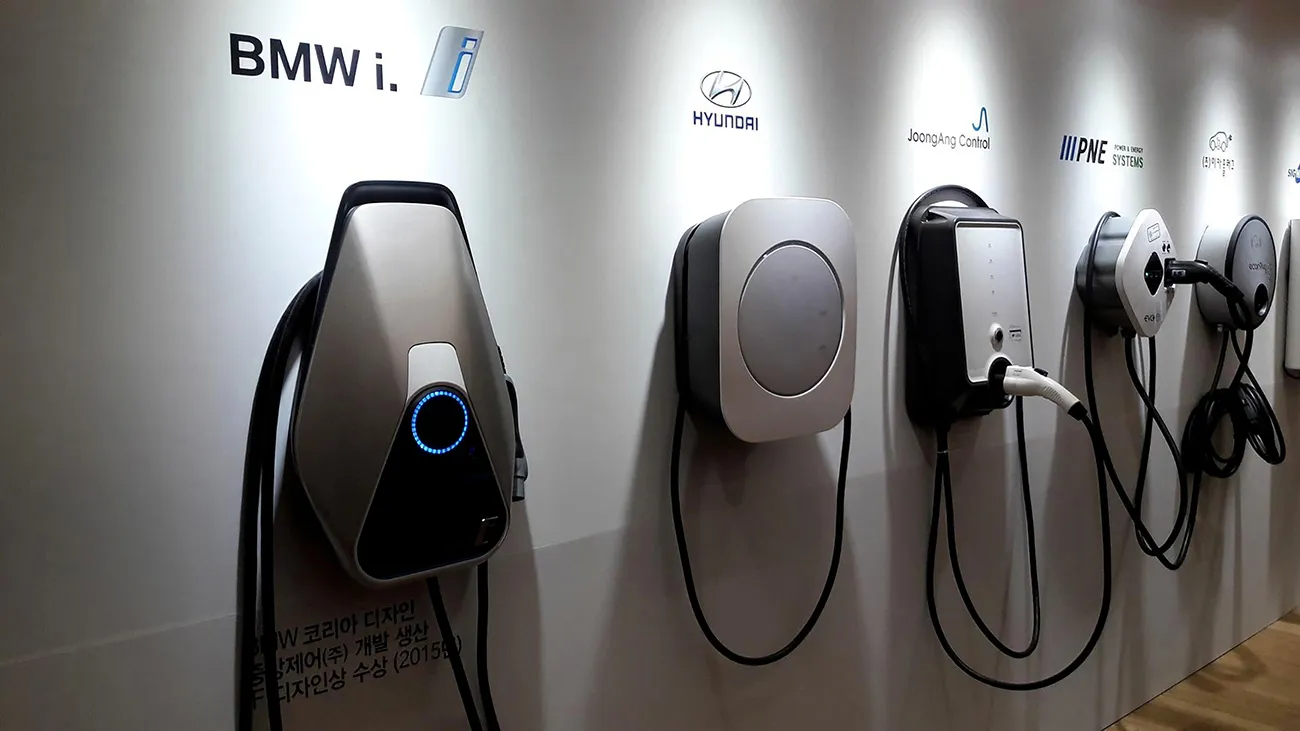
The electrification of Belgium’s vehicle fleet is progressing more slowly than expected, but electric vehicles are gradually becoming a more common sight on the roads. As a result, more and more charging points are being installed, including in car parks. However, many people are wondering whether this poses additional fire safety risks. As no legislation has been introduced on the subject to date, for now we have to rely on ‘good practice guidelines’.
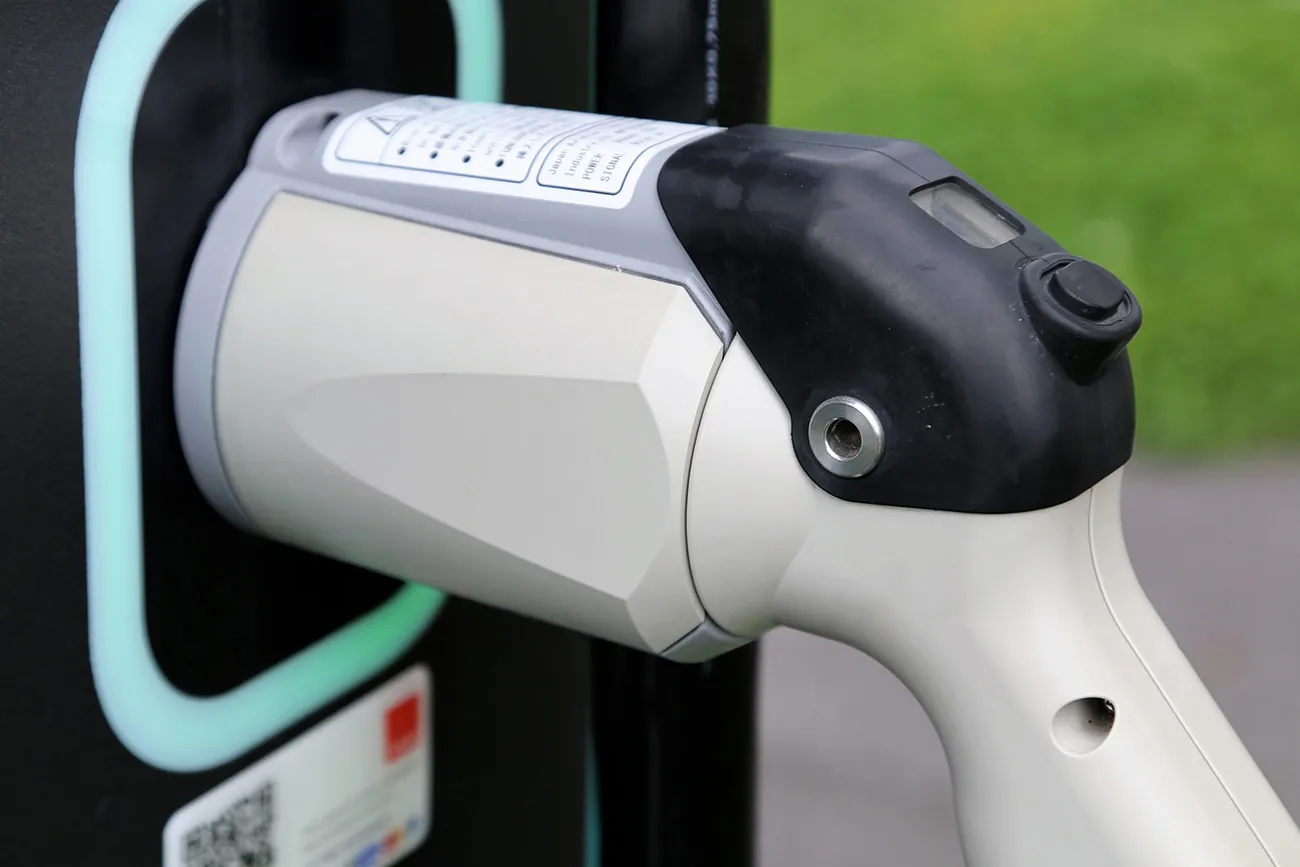
Striking news in November last year: the phase-out of conventional combustion engines is being accelerated, with all new cars required to be fully electric from 2029. This was decided by the Flemish government as part of its new climate agreement. The decision has major implications, including for infrastructure. The number of charging points in Belgium is currently far too low to make this large-scale transition possible. As a result, no fewer than 150,000 new charging points will be needed by 2030. Car parks are among the locations being considered, as public spaces are generally not equipped for this, particularly in urban areas.
Legislative gap addressed
Whether enough new charging points can be installed over the next eight years remains to be seen. There is still a great deal to be done, particularly in the area of fire safety. As electric vehicles are a relatively recent phenomenon and the relevant responsibilities are divided between the FPS Home Affairs and the FPS Economy, fire safety legislation for car parks does not yet include any guidelines on charging points. As is often the case, legislation is lagging behind practice. Fortunately, Fireforum, the non-profit organisation established in 2009 to foster dialogue between the various stakeholders in the fire safety sector, wasted no time. It addressed this pressing issue by drawing up good practice guidelines, with the support of the High Council for Fire Safety. “This is how we are filling the gap in the legislation. It is also an ideal way to build consensus across the sector and test the guidelines in practice, laying a solid foundation for the legislative framework. We have also added a number of provisions covering the entire electrical chain up to the vehicle, as well as a section on fire detection,” says Fireforum, which makes the full set of good practice guidelines available on its website.
In new and existing car parks
For new car parks, the good practice guidelines largely follow the new fire safety legislation. Regional authorities are also encouraging the installation of charging points in existing car parks. “That is why we ask owners to ensure first that their car park complies with all applicable fire safety requirements before installing charging points. This may seem obvious, but it is not always the case,” Fireforum stresses.
Whether charging points in car parks increase the risk of fire is a matter of debate. Installation by a certified installer is essential, as are impact protection, the use of approved, undamaged charging cables, rapid fire detection that automatically switches off charging points when necessary, a high-quality smoke and heat exhaust ventilation system, a sprinkler system and a fire-resistant separation between the car park and the rest of the building or the surrounding area. It is also advisable to leave sufficient space between vehicles being charged to avoid collisions. This can minimise both the risk of fire and its consequences. In conclusion, the good practice guidelines provide a stopgap for now and ensure that fire safety is not, in principle, an obstacle to installing charging points in car parks. We now await amended legislation and new technological developments, such as non-flammable or self-extinguishing batteries and car models with an inlet for firefighting agents.
Question about this story? Ask your question
Keep following this
Get an email when a new story is published. No account needed.
- SubjectElektroTech