Belgian heat pump market bounces back: growth in all 4 quarters of 2025
Text Climafed en Wouter PolspoelImage Climafed

New figures from Climafed and Frixis show that heat pump sales grew in every quarter of 2025, following a period of sharp fluctuations caused by price pressures and policy changes.
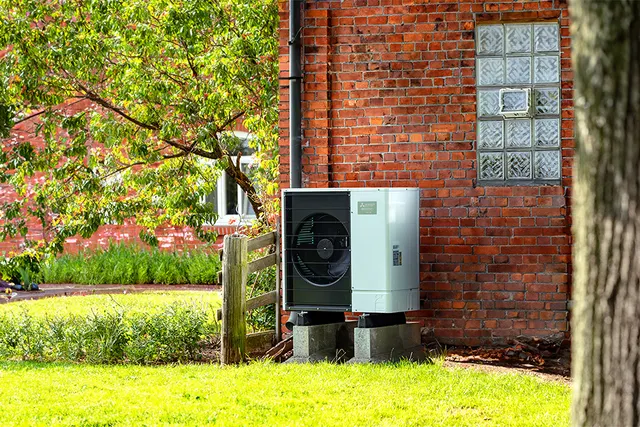
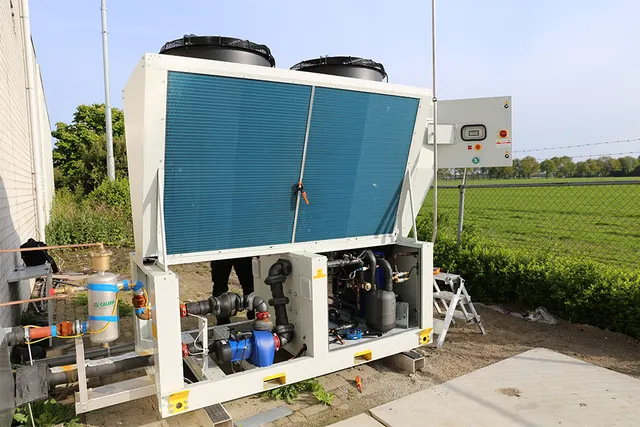
Across 2025 as a whole, sales of heat pumps for central heating in Belgium rose by 13% compared with 2024, representing around 35,000 new installations. Air-to-water heat pumps accounted for by far the largest share. Within this segment, split air-to-water heat pumps remained numerically dominant, rising by 7% to 21,600 installations. At the same time, monobloc air-to-water heat pumps recorded stronger growth of 45%, or around 6,400 installations. Climafed and Frixis attribute this trend to the increasing use of propane as a refrigerant, which is being used in more and more systems.
With this growth, the sector performed better than in 2024 and 2022, but remained below the exceptional peak year of 2023. Climafed and Frixis say this points to a healthier market dynamic. After years of sharp fluctuations, with 2023 standing out in particular, the heat pump market is stabilising and growing in a more predictable and structural way, without new peaks or signs of overheating.
Geothermal heat pumps also continued to grow in 2025, albeit moderately. Despite a fall in new-build permits, this segment rose by 9%, representing around 5,400 installations.
Air-to-air heat pumps also saw growth, rising by 13% to around 120,000 installations. Notably, sales of these units held up better during the winter months too, suggesting they are increasingly being used as a fully fledged heating solution.
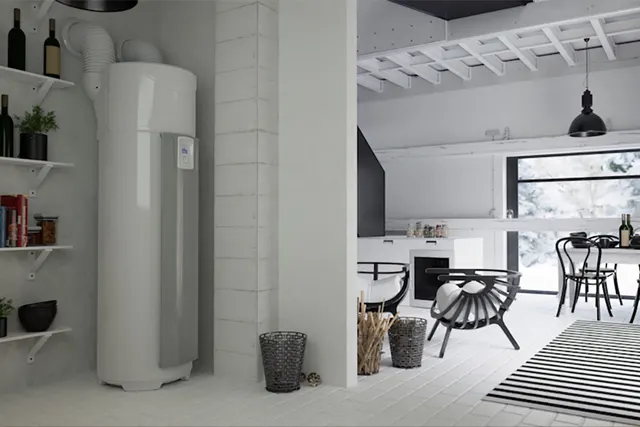
Not every segment followed this positive trend. Sales of heat pump water heaters fell by 20% in 2025, to around 14,750 units. Although the business case is now clear, this technology still too often flies under consumers’ radar.
Policy framework and energy prices provide a boost
According to Climafed and Frixis, the recovery of the heat pump market is no coincidence. Several policy measures are beginning to take effect at the same time (see also the article on pages 28-31, ed.). For example, fossil fuel-free heating has been mandatory in new-build homes in Flanders since the start of 2025, making geothermal heat pumps particularly attractive, partly because of the option of passive cooling through the ground. The gradual phasing out of green power certificates in Flanders is also benefiting the heat pump market.
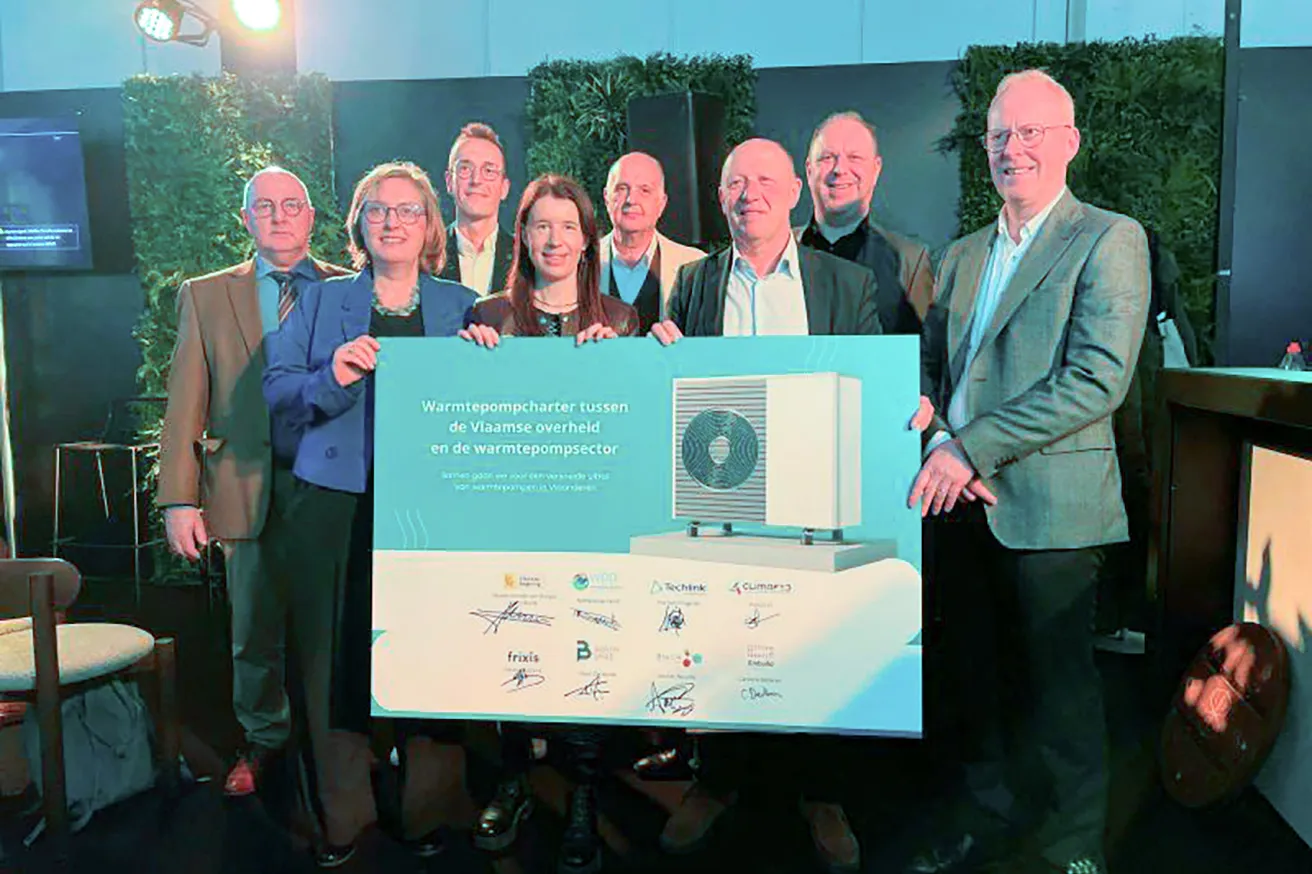
Climafed and Frixis say more recent policy measures will also support growth, including the reduction of VAT to 6% for heat pumps in new-build homes, the ban on oil-fired boilers in new-build homes in Wallonia from January 2026, and the planned tax shift from electricity bills to gas bills. The heat pump charter recently signed by the Flemish government and the heat pump sector will also help. Under the charter, Flanders and market players commit to working together to accelerate the rollout of heat pumps through a stable policy framework, ongoing support and clear communication. Among other things, the government has pledged to draw up a Heat Pump Plan, focusing on support measures, guidance through Energiehuizen and clear regulations, while the sector is prioritising quality, training and transparency. According to Climafed, this joint approach is crucial to restoring the confidence of households and installers over the long term and establishing heat pumps firmly as an obvious heating solution.
Finally, the European ETS2 system, due to be introduced early next year (a delay until 2028 is also being considered, ed.), will strengthen the economic case for electric heating.
Installers play a key role, preparation remains crucial
Climafed and Frixis emphasise that installers have a central role to play in this transition. They are best placed to assess whether a home is heat pump-ready and provide targeted advice on any changes that may be needed. A heat pump can also have a positive effect on a home’s EPC rating, benefiting its value.
For households with a fossil fuel boiler that is still working well, the sector organisations recommend preparing in good time. Checking the electrical connection, taking additional insulation measures and making any necessary changes to the heat distribution system are the most common considerations. Those who assess these in advance can switch over more quickly and smoothly if their boiler fails.
Outlook: confidence grows as conditions come together
Climafed and Frixis look ahead to 2026 with confidence. The figures show a stabilised market with structural growth, while policy, energy prices and technology are becoming increasingly aligned (more on this in the article on pages 36-39, ed.). “The heat pump is no longer a niche technology,” the sector says. “It is ready for the next step, provided policy remains stable and consumers are given accurate information.”
Question about this story? Ask your question
Keep following this
Get an email when a new story is published. No account needed.
- ThemeFossil-free heating and cooling
- SubjectHeat pumps