Smart building solutions for one of the most modern bank buildings
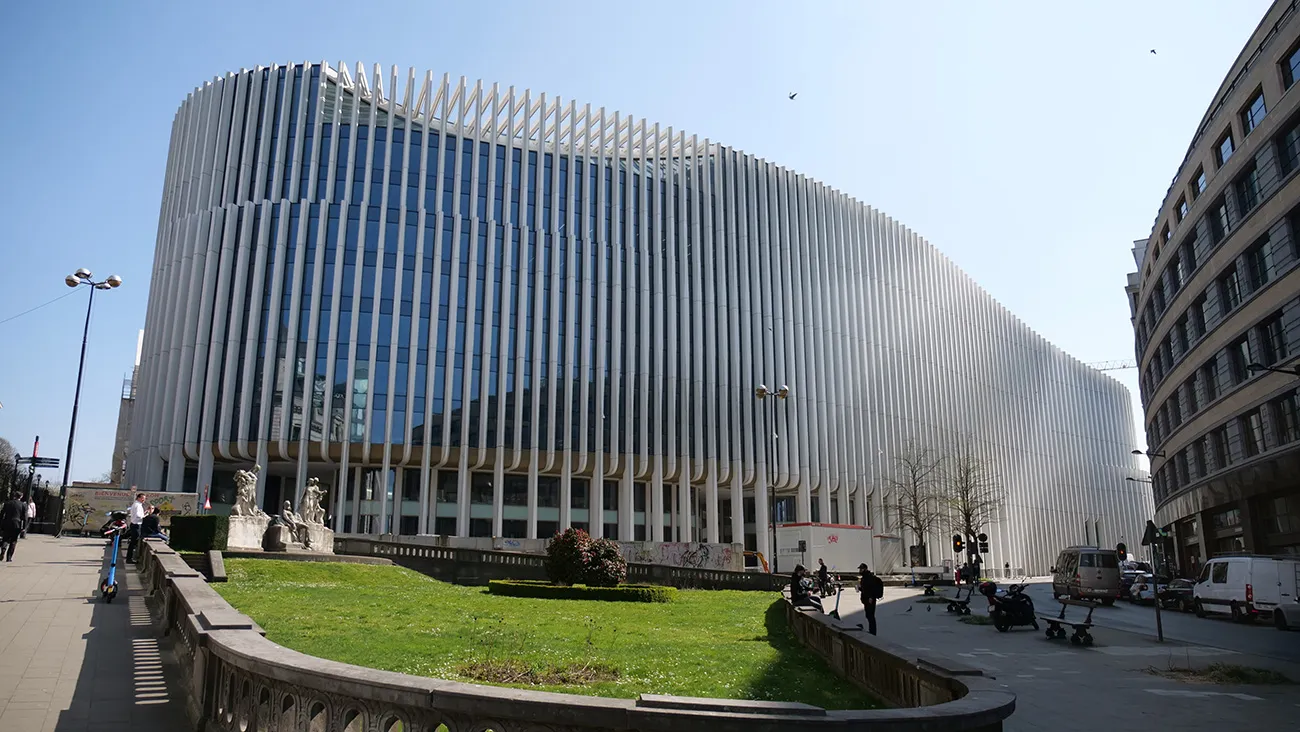
Some 2,000 international companies have their European headquarters in Brussels. As an international financial hub, it is hardly surprising that many companies want to make their premises in the European capital a showcase for their business. French-Belgian banking group BNP Paribas Fortis was no exception. With the construction of its new headquarters in the heart of Brussels, the company wanted to set an example.
The existing BNP Paribas Fortis bank building dated from the 1970s, was outdated and no longer met the requirements of a modern office building. The new headquarters had to be built on the same site, as this was the only way the company could create the greatest added value, according to its reasoning. In their design, the architects sought a balance between ecological, economic, aesthetic and social considerations. In 2013, Austrian practice Baumschlager Eberle Architekten won over the jury with a successful concept in an architectural competition.
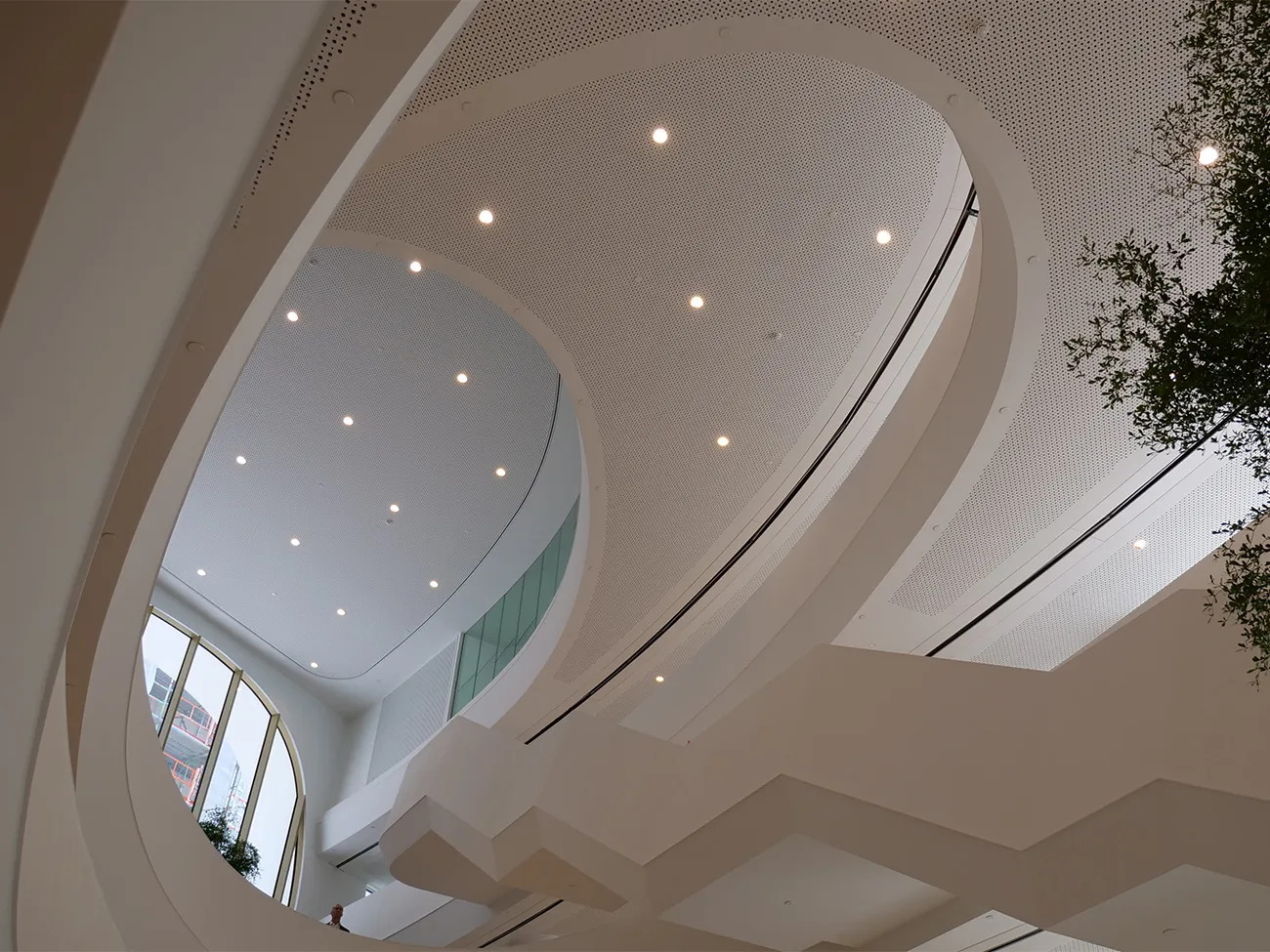
Ultra-modern design language
Completed in 2021, the iconic building on Mont des Arts, close to Central Station, fits seamlessly into its urban surroundings with its ultra-modern design language. Its large, curved form is striking, occupying the hilly terrain and winding streets of central Brussels. A total of 4,500 workstations were created across a floor area of 100,000 square metres, an increase of around 70 per cent compared with before. The complex includes an auditorium, a conference centre, an underground car park and a shopping arcade.
The construction project is firmly committed to sustainability. For example, parts of the previous building were recycled, and the massive underground structure was retained. The building uses an underground storage facility containing up to 14,000 m³ of water for seasonal heat storage or cooling. This enables it to meet the Passive House standard. In addition to PV panels, extensive green areas have been created on the roofs.
Integrated building systems
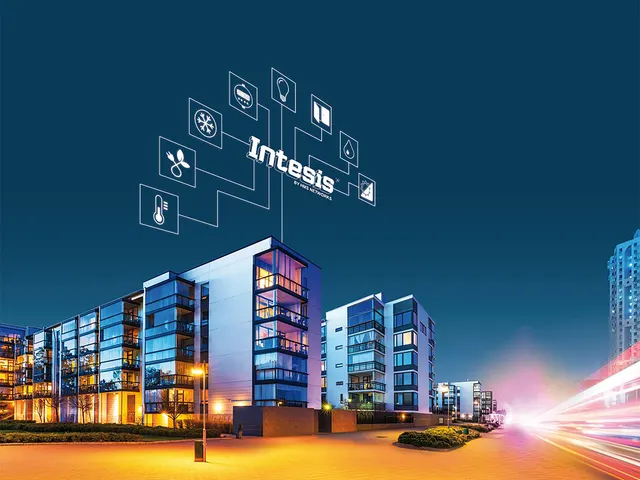
In keeping with its sustainable concept, BNP Paribas Fortis opted for B.E.G. building automation solutions using KNX and sensors. Integrating building systems such as heating, air conditioning, blinds and lighting is now essential in European buildings of this size. After all, the places where people spend most of their time offer significant potential for savings. In a KNX-controlled building, networked sensors and actuators perform a wide range of tasks. Buildings become ‘intelligent’ and take on numerous tasks. Bus technology offers cost advantages over conventional electrical installations, particularly in commercial buildings. Significant energy savings are the natural result. Occupants also benefit from a safer, more comfortable building, with controlled, optimum air quality, pleasant room temperatures, biodynamic lighting and much more.
In an automated building, sensors perform a role similar to that of our sensory organs. Small changes, such as movement and heat sources, are detected by passive infrared detectors, which can then trigger predefined actions.
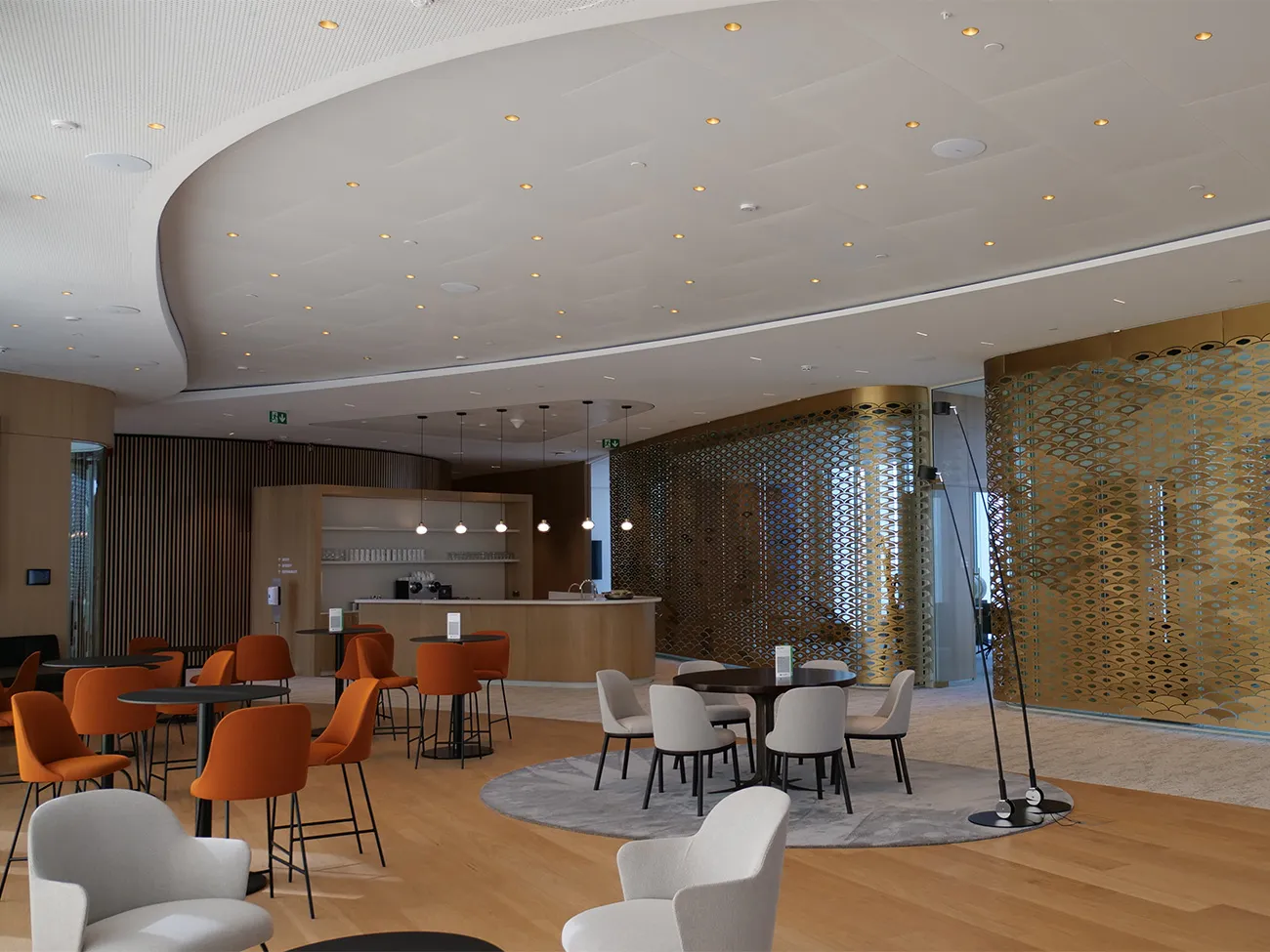
Motion and presence detectors
B.E.G. Brück Electronic GmbH has been regarded for decades as a quality supplier of motion and presence detectors. The BNP Paribas Fortis building uses two B.E.G. models, the PD2N-KNX and PD4N-KNX. With two integrated light sensors, these KNX models provide highly accurate light measurements. This makes them particularly well suited to interiors with challenging lighting conditions, such as the corridors and striking staircases at BNP Paribas Fortis, where light enters through several different window fronts.
Motion detectors in the sanitary areas can reduce energy consumption in these spaces by around 80 per cent. This measure also benefits hygiene. The B.E.G. PD3N detector was selected for this purpose. Lights in these areas are switched on without contact, and only when people are present. After the last movement is detected, the lighting switches off automatically once a configurable delay has elapsed.
Question about this story? Ask your question
Wie aan Hoofdkantoor BNP Paribas Fortis werkte
- architectsBaumschlager Eberle ArchitektenIn this story
- bewegings- en aanwezigheidsmeldersB.E.G. Brück Electronic GmbHIn this story
- meettoestellen
 TestoMentioned in How BNP Paribas Fortis is taking indoor climate to the next level at its new Brussels headquarters

Keep following this
Get an email when a new story is published. No account needed.
- ProjectBNP Paribas Fortis headquarters
- SubjectAutomation
- CompanyBaumschlager Eberle Architekten
- CompanyB.E.G. Brück Electronic GmbH