Intratone: a success story built on a simple, ingenious idea
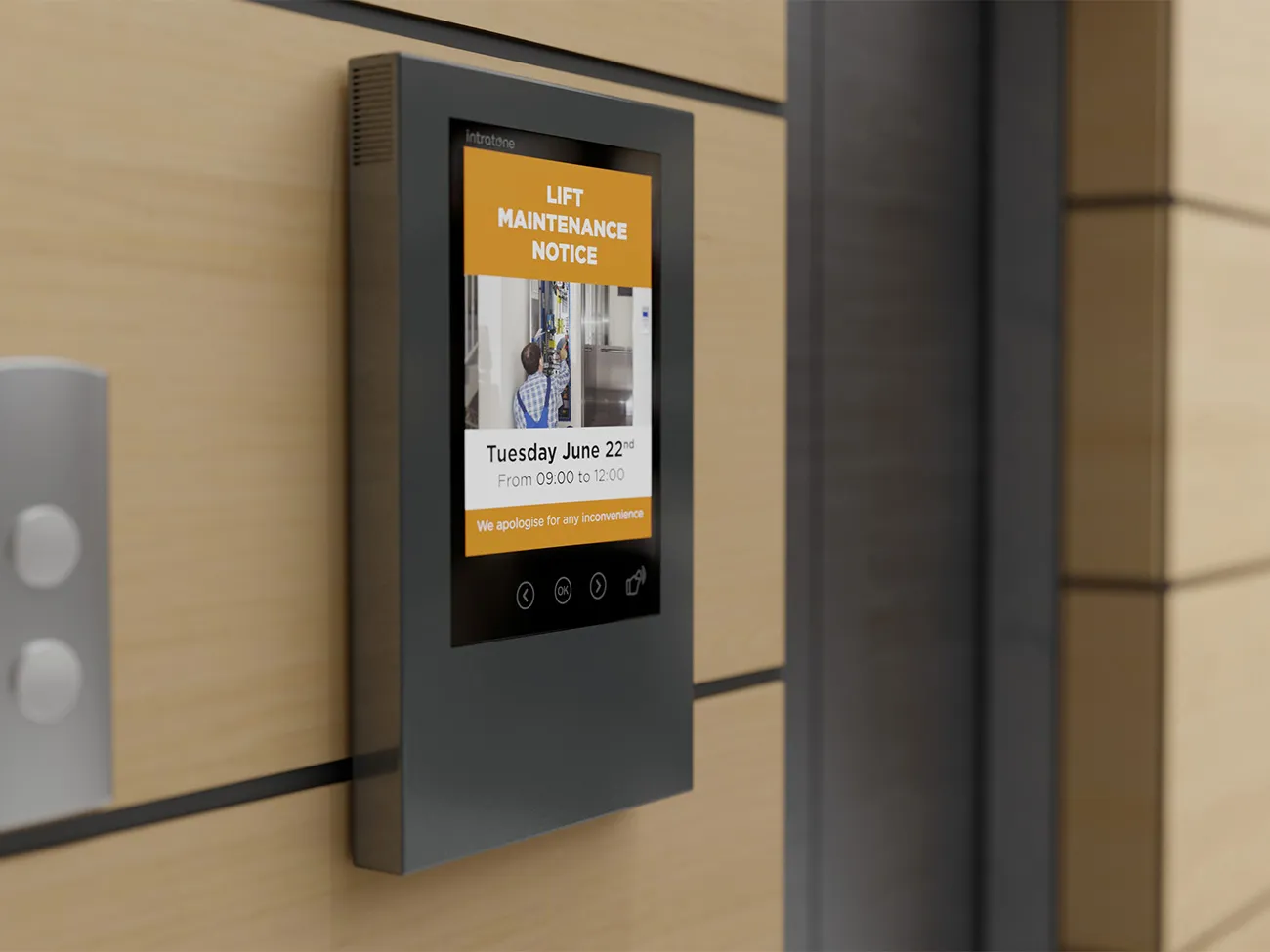
Cogelec, a French company that has been active in the Benelux for 10 years under the Intratone brand, is steadily building on its success as a pioneer in SIM-based access control for residential buildings. The project’s success is driven by regular innovation and a focus on finding solutions that make life easier for users. Intratone achieves this by listening to their needs and taking their feedback on its products into account.
Cogelec was founded in 2000 by five engineers who came together around a simple idea: installing a SIM card in the door entry systems of residential buildings, connected to residents’ phones. This made it possible to reduce installation costs and simplify access control management in these buildings. Cogelec subsequently created several brands, including Intratone, launched in 2006 for the residential sector.
Conquering Europe
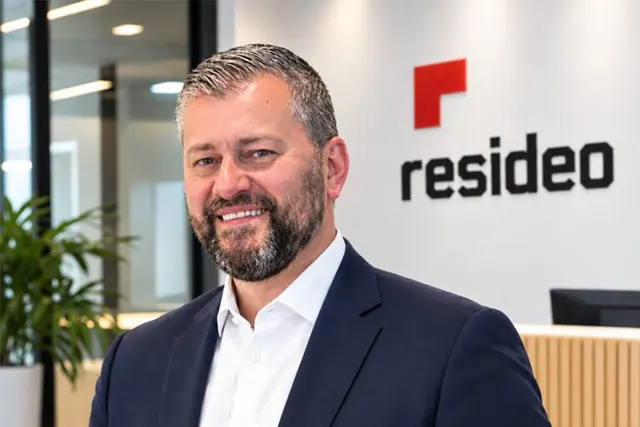
“In the space of around a decade, Cogelec became the market leader in France with a disruptive model: a cable-free system, which did not exist at the time,” explains Clément Robert, Intratone Country Manager for the Benelux. “Traditional brands offered wired systems with indoor units in every building.”
Building on this success, Roger Leclerc, Cogelec’s owner, decided to invest in exports and introduce the model in other countries too. The goal was to become the European leader in this field. The company therefore went public in 2018, raised 40 million euros and opened three subsidiaries in Düsseldorf, London and Amsterdam, for the Benelux countries. These subsidiaries employ 100 people out of a total workforce of around 350, including 15 in the Benelux.
“The wireless aspect makes our offering attractive”
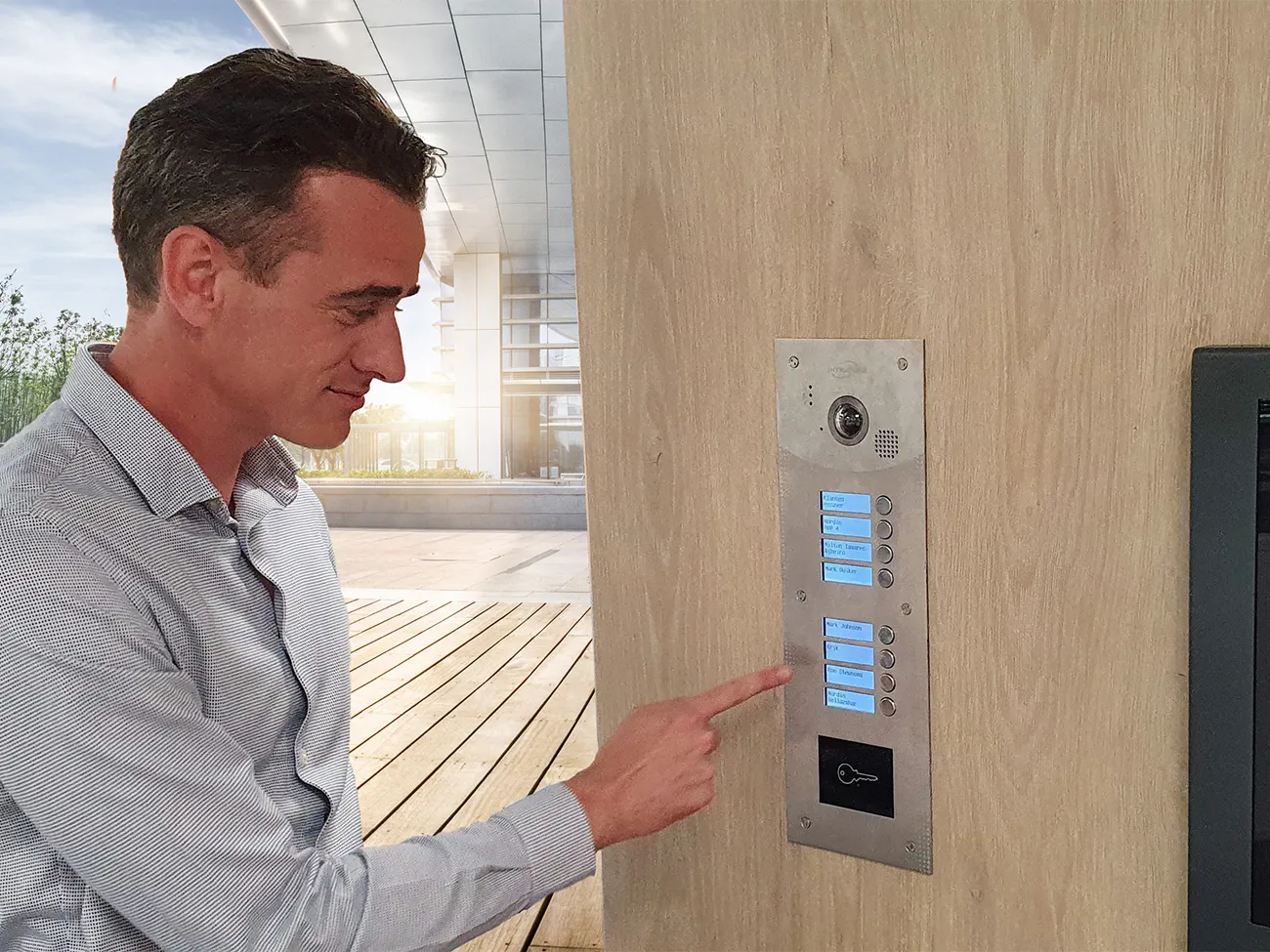
Clément Robert: “Our business model is built on subscriptions and their regular renewal. We sell equipment through wholesalers and installers, combined with a subscription system for residents. They pay between 1 and 2 euros per month. The wireless aspect makes our offering attractive to automation installers, electricians and locksmiths, as well as building managers and social housing providers. The system is much simpler and cheaper for them, especially in renovation projects, where replacing the wiring in building walls is not always easy. Our systems are very easy to install, but we can provide installers with technical support by phone if required, in both Dutch and French.”
Listening to customers’ needs and feedback
The system offers a wide range of features, including access control management, badge management with real-time activation and deactivation, and immediate digital changes to residents’ names when they move out.
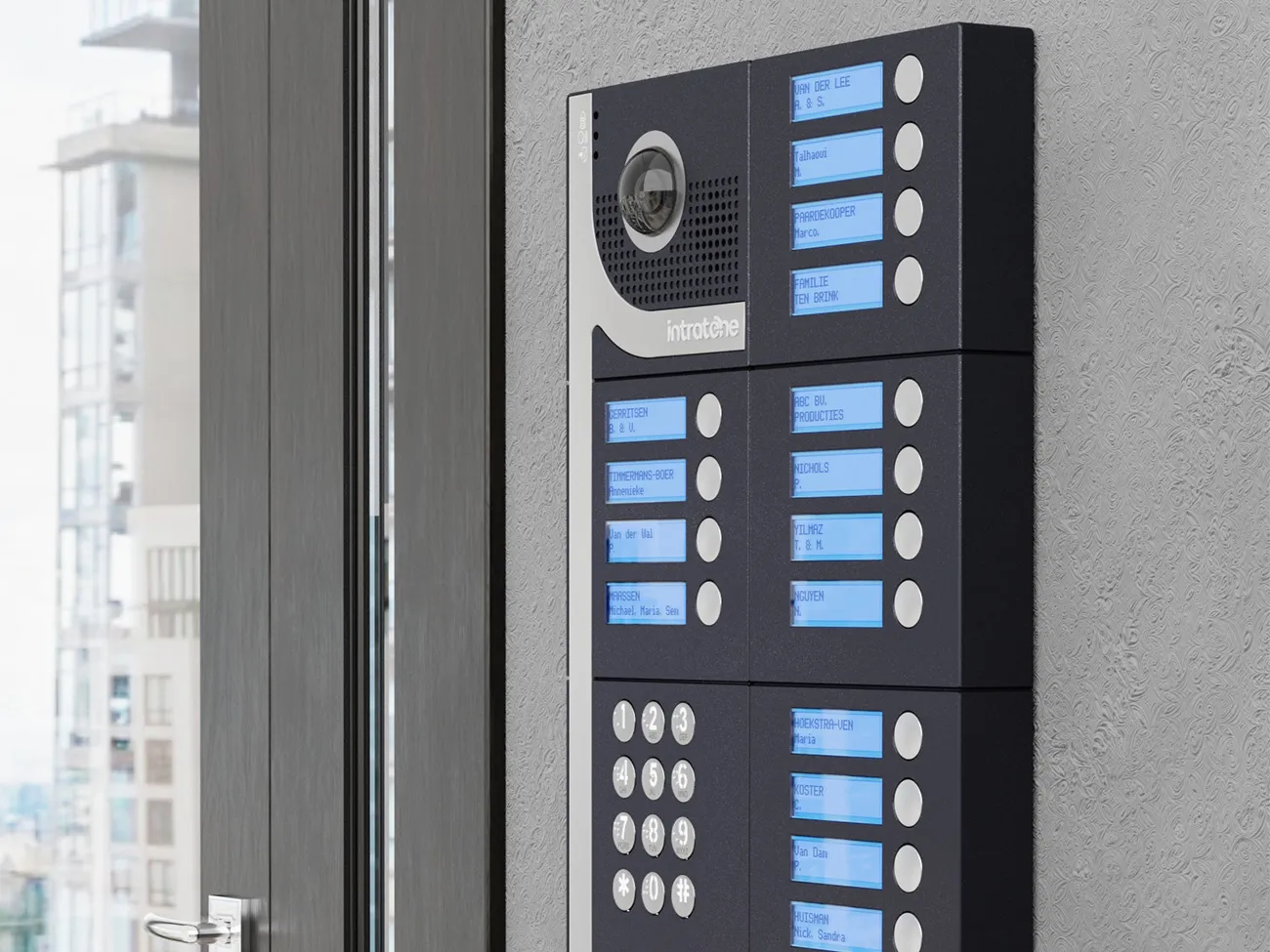
“We ask our customers about their needs and look at how we can meet them,” Clément Robert continues. Those needs sometimes vary from country to country: “In the Netherlands, building managers were not interested in our sliding nameplate system with arrows, which is generally used in France and Belgium. So we adapted our product to offer them a system that better suited their needs: large stainless steel panels that can be produced in different colours, with up to 200 integrated buttons.”
A new product every six months
Clément Robert continues: “We also follow up with customers to assess whether the installation meets their needs and whether they are satisfied with the system. We do not want to bypass installers, but this allows us to adapt our offering. We also make a point of developing a new product every six months. This creativity is reflected in the around 40 patents Intratone has applied for in recent years.”
The future looks bright for the company, Clément Robert concludes: “Today, more than 1.2 million users in Europe, including residents of 3,000 buildings in Belgium, receive a call on their phone to open their building’s entrance door. And with many public tenders under way or coming up, these figures are likely to rise further in the Benelux.”
Question about this story? Ask your question
Keep following this
Get an email when a new story is published. No account needed.
- SubjectYearbook