An HVAC pioneer with a multi-technology approach

Bosch Thermotechnology aims to lead the way in energy-efficient solutions for heating, cooling and hot water production. Its goal is to provide users with warmth, comfort and a healthy environment, while also protecting the planet. The company is committed to a range of technologies, as a broad portfolio is needed to meet every need.
At Bosch, the guiding principle is ‘invented for life’. The company creates technology for life, designing innovative, high-quality products that are easy to use. Top quality and reliability are two key criteria that all products must meet. In recent years, Bosch has also focused increasingly on digitalisation, a way of connecting customers and products.

Making ageing heating systems more sustainable
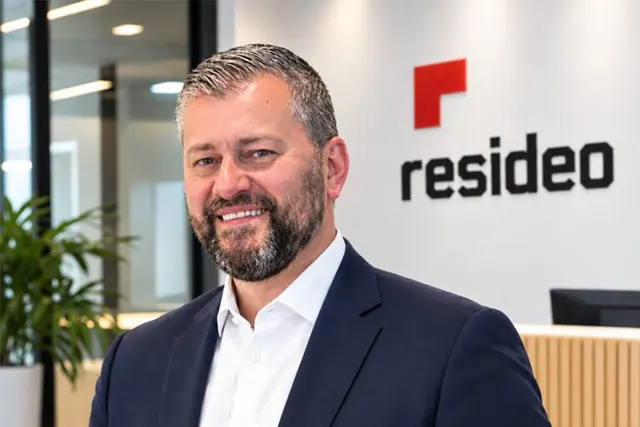
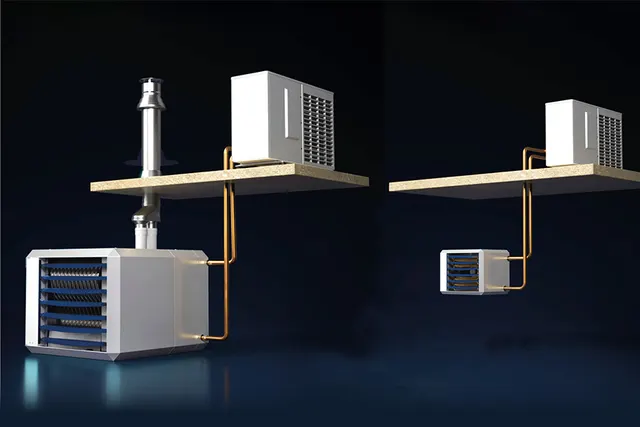
Bosch specialises in a range of sectors, from residential to industrial and commercial, and in a variety of technologies. Unlike many manufacturers, Bosch does not tie itself to a single heat source. This multi-technology approach is a major asset for the company, says Gerd Vrieling, Managing Director at Bosch Thermotechnology. “We embarked on this path very deliberately several years ago. The fact is that different situations call for different solutions. We believe heat pumps have an important role to play in the energy transition, and Bosch has already invested more than 100 million euros in heat pump technology. But we do not believe a heat pump is the right choice for every project. That is why a broad portfolio is essential. Belgium still has more than two million existing buildings that are not yet ready for a heat pump. Making these many ageing heating systems more sustainable is the priority. A transitional step, in the form of a hybrid system, is likely to be necessary and more achievable.”
Bosch wants to continue playing a pioneering role in the HVAC sector and contribute to the energy transition, Vrieling continues: “With our current portfolio, we can address 80 per cent of the challenges in the market, but we are certainly not there yet. The first projects using fuel cell technology are under way, an innovation we are working very hard on. We are also investing wholeheartedly in hydrogen developments,” says Vrieling. In recent years, Bosch has also started offering cooling solutions. “The need for cooling has increased significantly. In new-build projects in particular, it is useful and straightforward to use a heat pump for cooling as well. Taking the next step towards dedicated cooling solutions is then not a big leap. The coronavirus crisis and the associated lockdowns also highlighted twice over how important comfort at home is. Efficient cooling plays an important part in that, especially as we are increasingly experiencing hot summers,” says Vrieling.

Energy management
The growing electrification of society is also creating new opportunities, says Vrieling. “Mobility and the home are becoming increasingly interconnected. In the coming years, we will see more and more electrical applications. Bosch wants to play a part in this. This trend also goes hand in hand with the growing importance of energy management: it is key to achieving the required CO² reduction, but gaining transparency into energy consumption is also essential today if we are to keep rising energy costs under control. You can only make energy savings once you know how much energy you use, and what you use it for.”
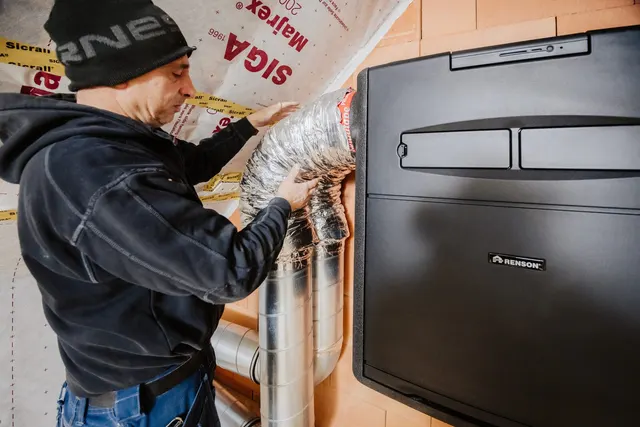
Alongside the energy transition, Vrieling sees another major challenge: the shortage of qualified installation staff. That is why Bosch has focused more on prefabricated solutions in recent years, and wants to support installers through preventive maintenance: “We can use data from heating systems to guide installers when they carry out maintenance. This means an installer immediately knows which parts are needed and can work more efficiently. That ties in with our aim of moving from ‘big data’ to ‘smart data’: the data are there, but what exactly are you going to do with them? That is the big challenge,” Vrieling concludes.
Question about this story? Ask your question
Keep following this
Get an email when a new story is published. No account needed.
- SubjectYearbook