











White paper highlights alternative solution to overheating: balanced ventilation
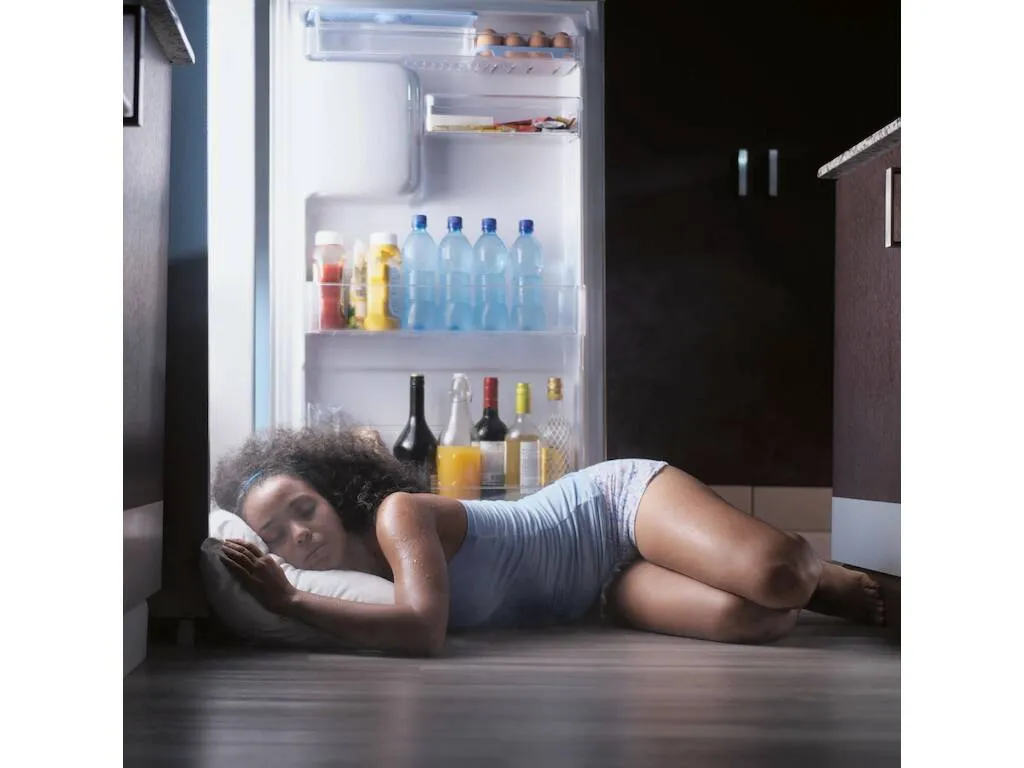
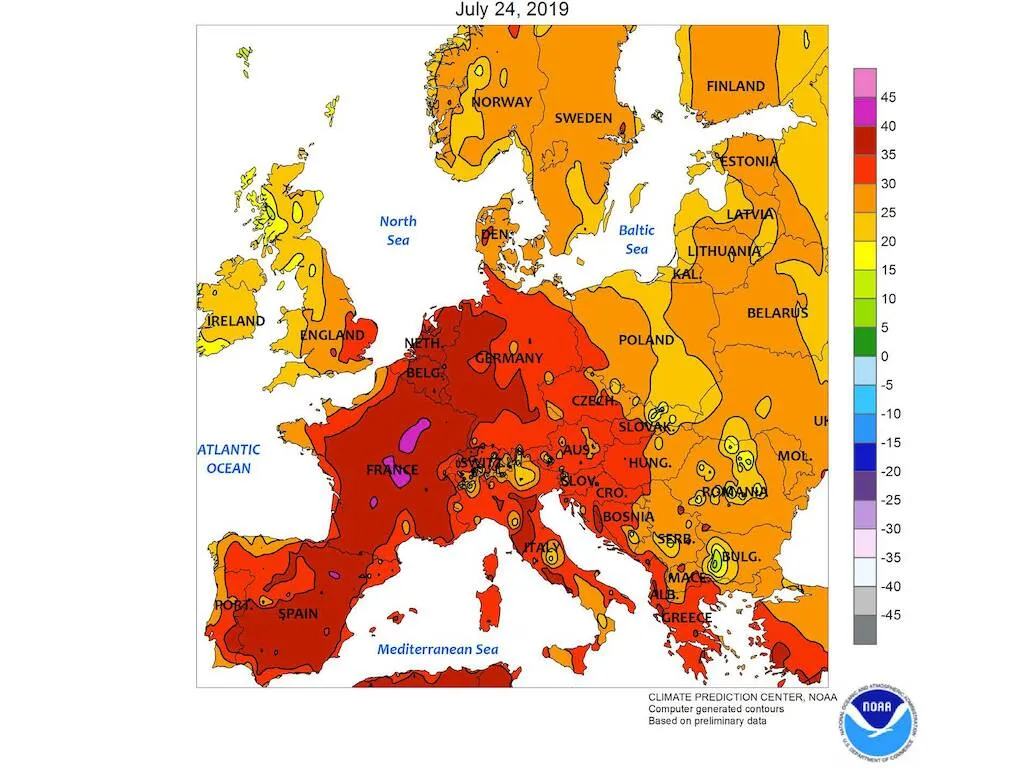
The rainy summer of 2021 was the exception that proves the rule: the summer months are increasingly a time of sweating and sweltering. This has made the problem of overheating in homes and buildings even more pressing. Zehnder, a specialist in solutions for a perfect indoor climate, has therefore turned its attention to the subject in a white paper. In this article, we summarise the text’s main conclusions.
It is now easier to keep your home warm in winter than cool in summer. In the summers to come, temperatures may not only rise ever higher, but also remain high for longer. There is a growing awareness that this makes indoor conditions uncomfortable and even unhealthy. Our indoor climate is under threat. Large glazed areas, conservatories or verandas on the south or west side of a home turn living spaces into greenhouses that can sometimes become almost inaccessible because of the heat. Installers will increasingly be asked to help keep rooms habitable during these almost tropical summer months.
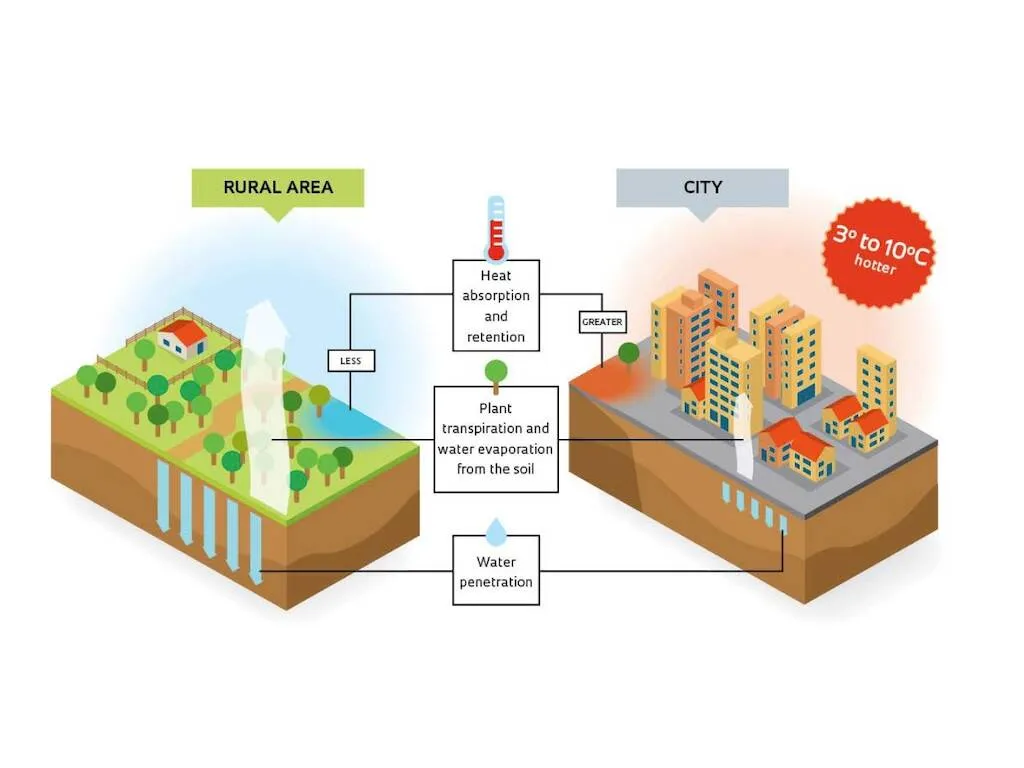
Urban Heat Island effect
Climate change is the main culprit. In the summer of 2019, the temperature reached a record 41.7 degrees in Begijnendijk, breaking the previous record set in 1947. In urban areas, the Urban Heat Island effect can raise temperatures by as much as 8 degrees. The city’s stone, concrete and asphalt absorb a great deal of solar heat during the day, while at night there is barely any cooling through the evaporation of moisture from the soil, ponds and other surface water. Ideally, measures to limit overheating are considered during the design and construction of a home. These include orientating the home in relation to the sun, planting trees, installing roof overhangs and solar shading (architectural, natural or louvred), reducing the amount of glazing in the façade, or using architectural night-time ventilation. But what can still be done in existing buildings? Opening a window is the oldest and best-known way to ventilate with cool night air. But if there is not a breath of wind, an open window will not cool the room at all, even if you open two windows opposite each other. Airflow is needed.
And then, of course, there is air conditioning: last year alone, around 100,000 new air-conditioning units were installed in Belgium. There are around 38 million air-conditioning units in operation in the EU, with annual growth of 4 per cent forecast through to 2030. Air conditioning does away with many of the drawbacks of opening windows, but brings new ones of its own. Many units consume large amounts of energy and are expensive. What is more, air conditioning does not refresh indoor air, as it simply recirculates the air inside. There are also health concerns. Dry air can quickly cause discomfort, dry eyes and skin, and other irritations. ❯ According to Zehnder’s white paper, balanced ventilation is a much healthier alternative to air conditioning. This air-refreshing system draws in fresh outdoor air, filters it and brings it to the right temperature and humidity for use in the home. The quantities of fresh outdoor air actively supplied and used indoor air actively extracted are exactly equal, hence the system is balanced.
Keeping cool for longer
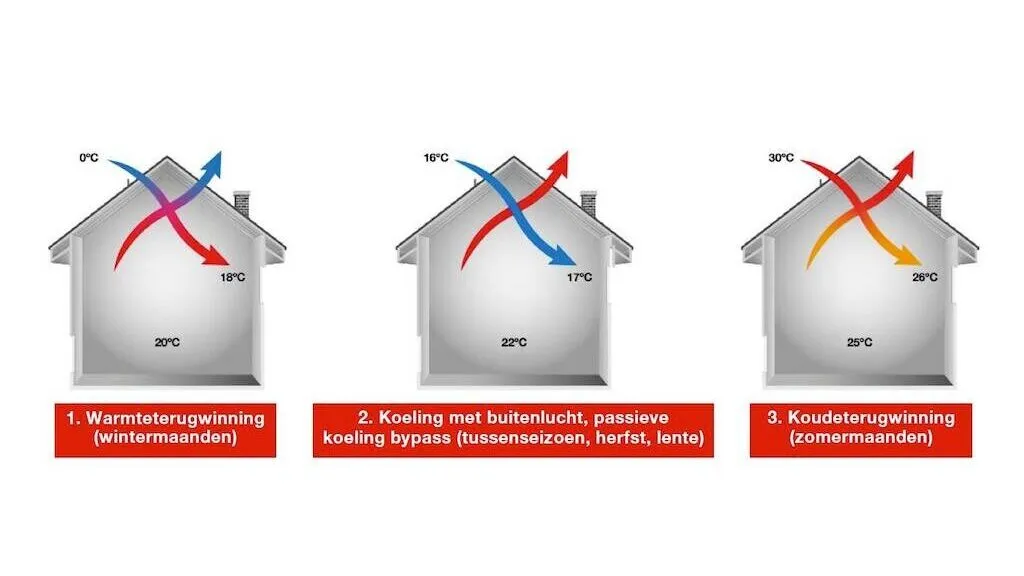
The system consists of two fans, a number of air ducts and a heat exchanger that recovers heat from the required airflow. This creates a healthy, comfortable indoor climate at a pleasant temperature in every room, with the possible support of a small amount of input from a central heating and/or cooling system. Air filters help keep unhealthy particles out. In a hot summer, the heat exchanger transfers the relative coolness of the indoor air to the warmer outdoor air being brought inside. The home therefore retains its cooler indoor temperature for longer. In cold winters, balanced ventilation reduces heat loss from the home, as the fresh outdoor air recovers the valuable heat from the outgoing indoor air. In autumn and spring, the main task of balanced ventilation is to refresh the indoor air and filter the outdoor air. “Balanced ventilation is a cost during construction, but an investment that pays off during operation. It improves living comfort and health, and therefore the home’s ‘liveability’, by helping to prevent overheating and reduce energy waste. The same applies to renovation. It is also becoming increasingly clear that balanced ventilation has advantages over alternatives such as opening windows and air conditioning. If renovation or new-build projects also incorporate measures such as reducing the glazed area of the façade, the right orientation in relation to the sun, roof overhangs and so on, the efficiency of balanced ventilation increases further,” concludes Zehnder.
Large glazed areas, conservatories or verandas on the south or west side of a home turn living spaces into greenhouses that can sometimes become almost inaccessible because of the heat.
Een zakelijke vraag aan Zehnder Group België? Get in touch
Companies in this story

Keep following this
Get an email when a new story is published. No account needed.
- ThemeHealthy air and summer comfort
- SubjectNews
- CompanyZehnder Group België







