











What should you consider when buying lighting?
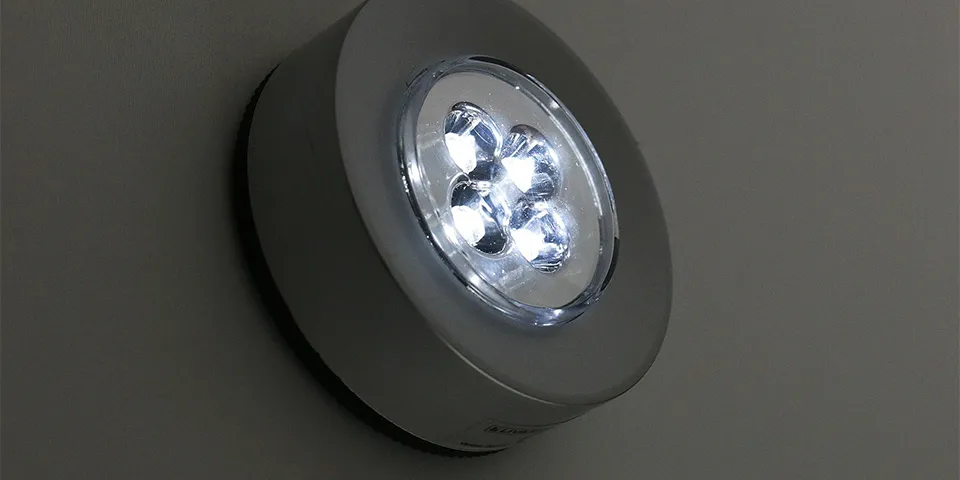
Hanging a lamp is straightforward, but before you do, it is worth thinking carefully about why it is going there. What is the reason for putting a lamp in this spot? Is it just for general lighting, or does it also have an additional function? And does the wiring still need to be installed? If so, it is especially sensible to draw up a lighting plan first. This will prevent light points from being missing in crucial locations!
Drawing up a lighting plan
Drawing up a lighting plan first means that every lamp can be installed in the most logical place, without unnecessary wiring. It prevents needless frustration and lighting that simply does not work well. Make sure you have general lighting and consider where work will be carried out. These areas will need additional light. You can also think about extra mood lighting, perhaps accent lighting or emergency lighting. The lighting plan will help you decide not only how everything should be installed, but also what type of lighting to buy.
Bright light, soft light or dimmed light
As explained, it is important to know the purpose of the lamp you are buying. That should be your first requirement, so you can make the most of the light in your home. Only then should you consider the decorative aspect! Be smart and choose LED: energy-efficient and free from flicker. It will also work out cheaper in the long run because it uses less energy. An LED webshop such as Budgetlight.nl offers plenty of choice, and there are many LED lamps available, making them suitable both for dimmed lighting and for a pleasant spotlight directed at your workspace, for example. You can of course search online for a budget lamp to keep costs down. As well as the amount of light, it is worth considering its colour, and for mood lighting in particular, it is useful if the lamps can be dimmed. Once you reach the decorative aspect, it goes without saying that the lamp should suit the rest of the interior, both in colour and design. Safety is another point to consider. For example, light sources that continue working if the power fails. Emergency lighting may not be the first thing that comes to mind in a private home, but it is certainly recommended!
Question about this story? Ask your question
Keep following this
Get an email when a new story is published. No account needed.
- ThemeSmart building integration
- SubjectNews







