











Water saving starts with the specification
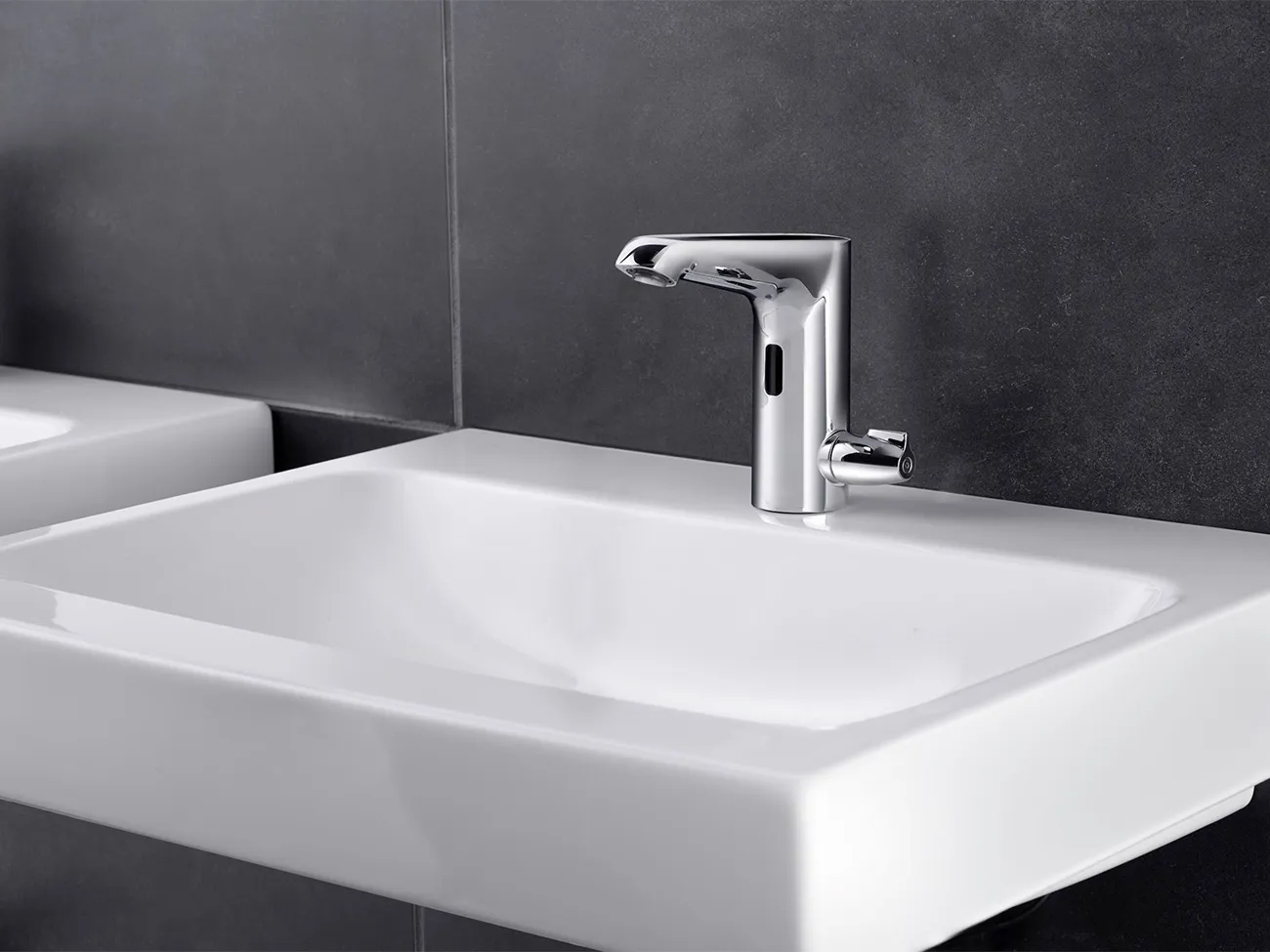
When designing (public) buildings and drawing up specifications, the focus is on energy consumption. Water use receives less attention. That is a missed opportunity, says Dirk Vanden Breede, managing director of Schell Belgium.
Water is a precious resource, and it is essential to use it wisely and responsibly. Water consumption in public buildings can be considerable. Yet a few simple measures can reduce it without compromising ease of use or hygiene. One important requirement is that the specification clearly defines which taps are required for the sanitary facilities.
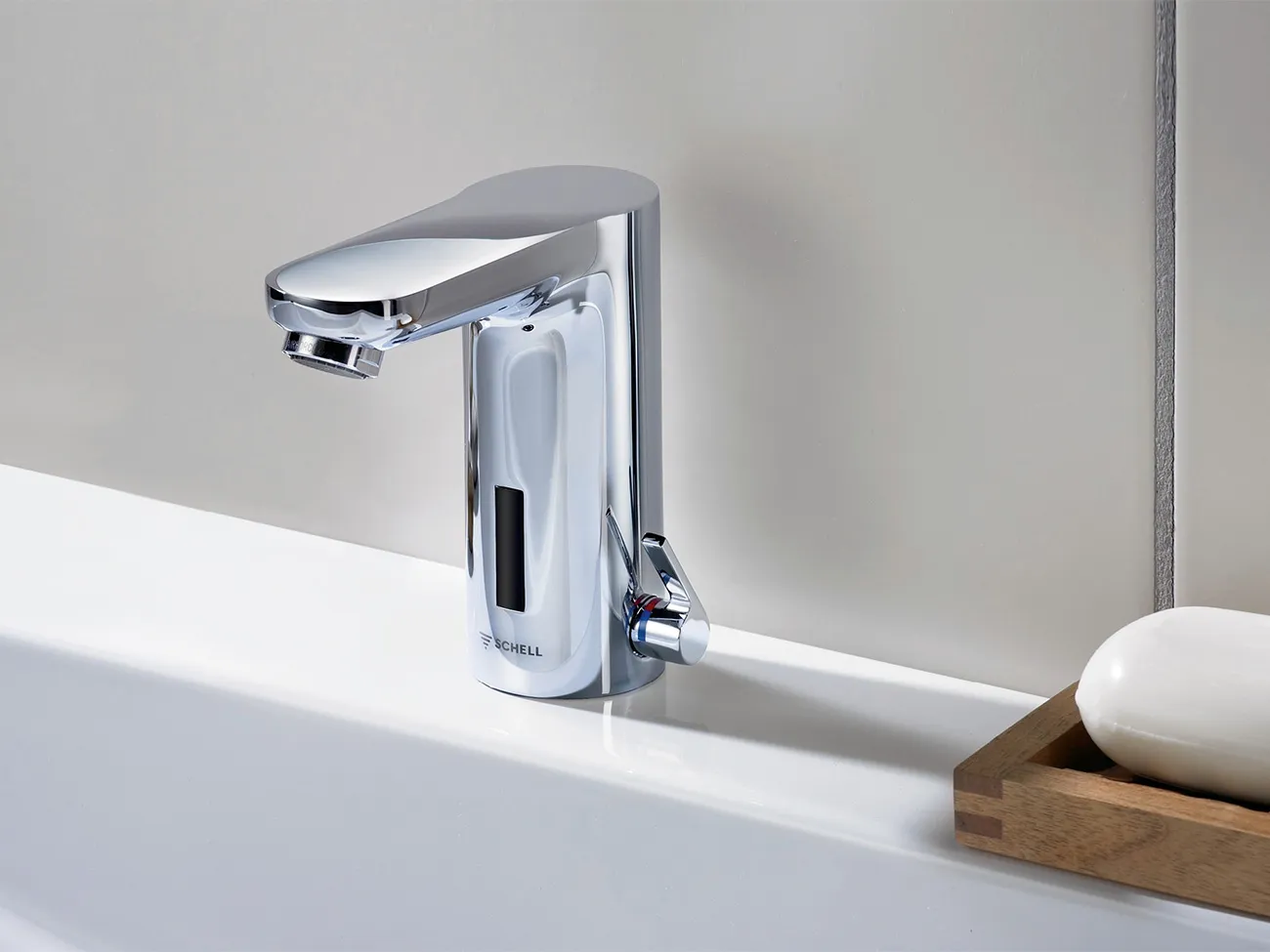
Water use and hygiene
“Public buildings bring large numbers of people together, so they need plenty of sanitary facilities. Water use is therefore correspondingly high, but self-closing taps, whether mechanical or electronic, can deliver substantial savings,” says Vanden Breede. “Alongside water use, hygiene also needs careful consideration. Wherever large numbers of people gather, the risk of transmitting bacteria is higher. Hand hygiene has always been important in preventing infections. The type of tap also plays a role here. We have to touch a traditional tap to turn it on and off. A mechanical tap has to be touched to turn it on, but shuts off automatically. An electronic self-closing tap operates entirely automatically. We no longer have to touch it, yet it still provides enough water to wash our hands. This is better not only for hygiene, but also for water use!”
Specification
“So why do we keep specifying manual taps when the benefits for hygiene and water use are so clear?” asks Vanden Breede, posing the key question. “Of course, we understand that budgets must always be kept under control and that extravagant spending is not an option. But the additional cost here is relatively small and is more than offset by lower sickness absence, the associated medication costs and savings on water use.”
Question about this story? Ask your question
Keep following this
Get an email when a new story is published. No account needed.
- SubjectNews







