











Ventilation: where things can go wrong in practice
Text Wouter PolspoelImage Pixabay
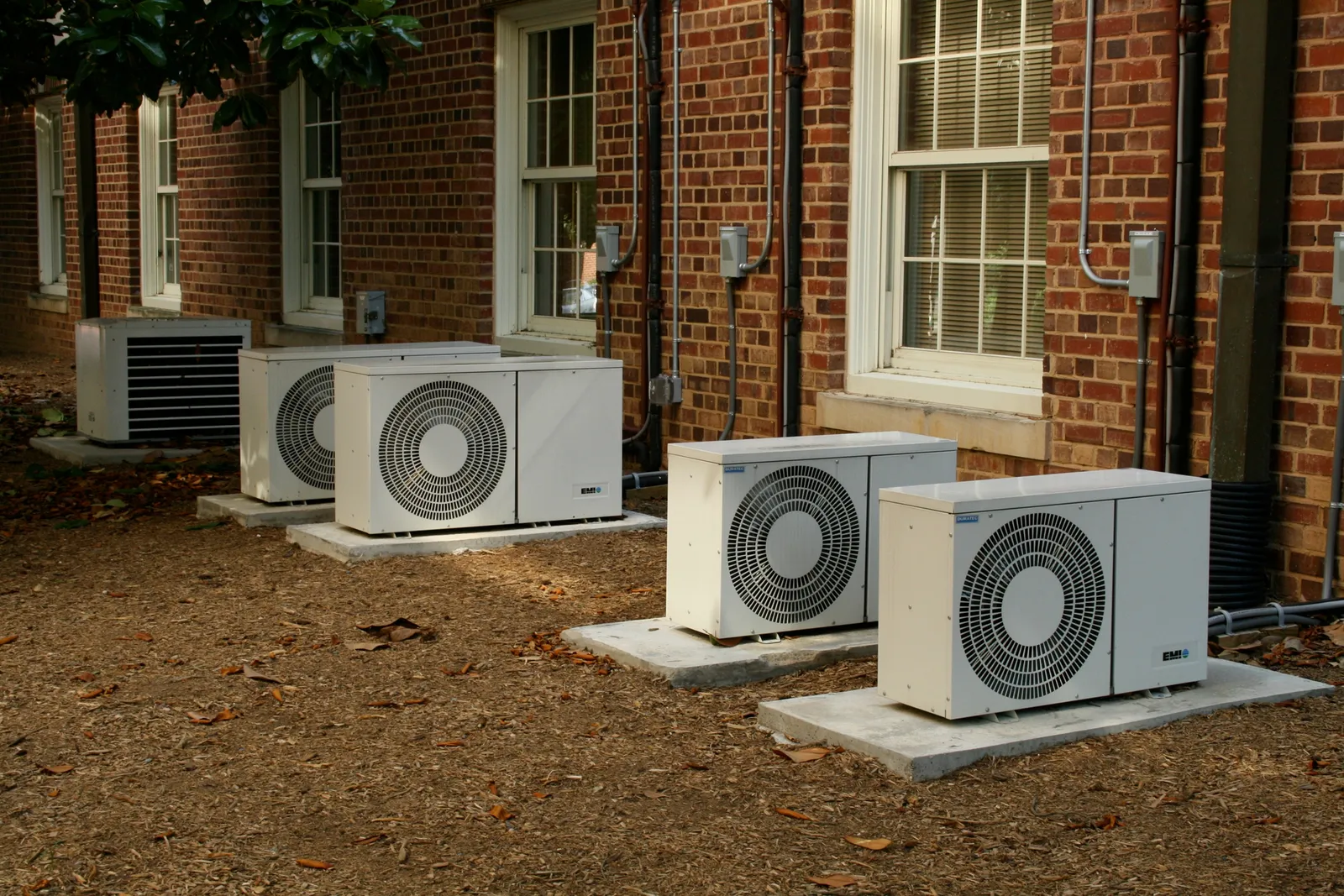
Ventilation is now an accepted part of the construction sector. It is covered by regulations, routinely factored into EPB calculations and supported by an ever-growing range of systems. Yet that does not automatically mean every ventilation system performs as intended. Problems are not widespread, but they occur often enough to warrant attention. Where can things go wrong in practice?
The first area to focus on is the design. Ideally, this should be based on the building and how it will be used. In practice, however, the choice of ventilation system is sometimes made before the ventilation design has been fully developed. That need not be a problem, provided everything is translated correctly into the detailed design. But this is precisely where inaccuracies can creep in: a route that is slightly less logical, a unit that is not matched to the required airflows ...
Even when the system is correctly sized overall, achieving good air distribution is not a given. Air follows the path of least resistance: small differences in duct length, bends or installation errors can disrupt the air distribution. Accurate balancing and the use of components that actively keep airflow rates in balance are therefore a second area to focus on if good air distribution is to be ensured. In practice, however, balancing is sometimes done superficially, for example by focusing only on the main ducts, or not done at all. Nor are the aforementioned optimising components always installed everywhere. Companies such as AirX (see another article in this issue, ed.) are actively trying to address this.
At building level, a ventilation system that is incorrectly sized, or correctly sized but poorly balanced, results in persistent under- and over-ventilation. Notably, both situations, too little and too much ventilation, can sometimes occur in the same building. Overall, the system may appear to be working correctly, but local variations arise. Some rooms remain stuffy, while elsewhere too much air circulates continuously.
Under- or over-ventilation
If there is under-ventilation, meaning the entire building consistently receives too little fresh air, the indoor climate will become problematic over time. Firstly, moisture builds up, leading to mould growth. In homes, this may be limited to unpleasant odours, but in larger buildings it can cause genuine damage. Secondly, CO2 concentrations rise, resulting in poorer air quality and comfort complaints.
Over-ventilation is less visible, but no less of a problem. When a system continuously moves more air than necessary, energy consumption rises without any corresponding gain in comfort. Heat is removed, fans run harder than necessary and system efficiency falls. At a time when energy performance is under ever closer scrutiny, this is no minor detail. It directly undermines a building’s intended efficiency.
Both under- and over-ventilation are also likely to cause acoustic complaints. A ventilation system that has not been installed or balanced correctly makes itself heard: fans hum, airflow starts to whoosh or grilles whistle ... These sounds often lead users to turn down the airflow or switch off the system altogether, which of course only makes the problems worse.

Liability: a tricky issue
Moisture problems, mould growth, noise nuisance or disappointing energy performance soon raise the question of what went wrong. Was it the design? The installation? Or the way the system was used? In other words, this can lead to a dispute over who is responsible for the poor performance of the ventilation system. In practice, identifying the responsible party is often difficult. Poor performance is frequently due to a combination of choices and actions by several parties. A design that is not quite optimal, an installation with minor deviations, balancing that is not sufficiently thorough, or a user operating the system differently from what was intended: each of these factors may seem minor in isolation, but together they determine the end result. Because ventilation depends so heavily on this chain of factors, problems rarely have a straightforward answer. This makes the subject more relevant than is often assumed, not only technically but also contractually and legally.
A note of perspective
That said, it is worth emphasising that ventilation works without any significant problems in most buildings. This is an important point to bear in mind. But it should not make us forget how sensitive ventilation is to minor deviations. What works on paper only delivers good performance in practice when the design, installation, balancing and use are aligned. It is therefore not just about high-performance technology, but about how effectively every link in the chain connects with the others.
Question about this story? Ask your question
Keep following this
Get an email when a new story is published. No account needed.
- ThemeHealthy air and summer comfort
- SubjectNews







