











The savings potential of a heat pump water heater or solar water heater has never been greater
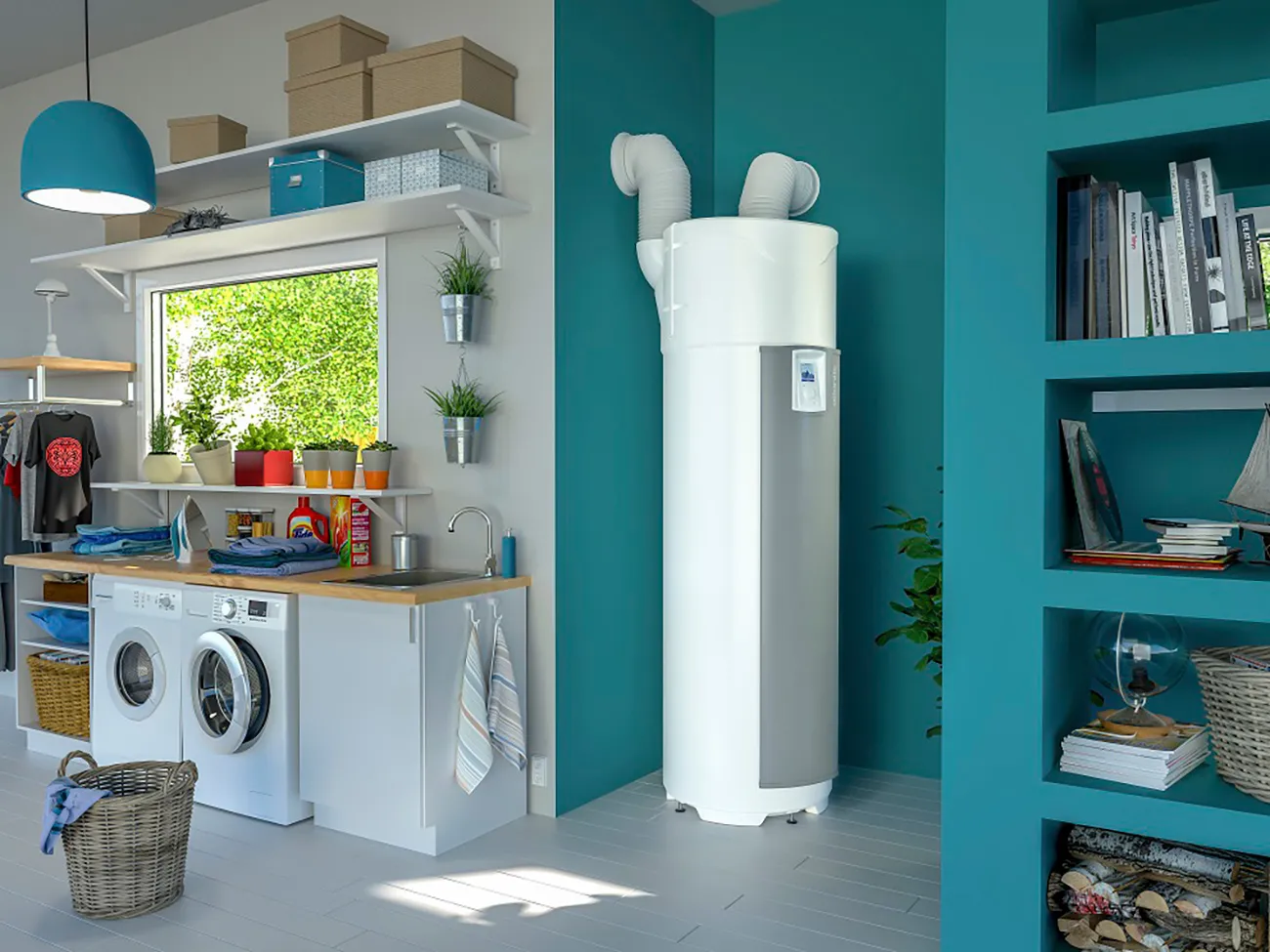
Energy prices have risen dramatically in recent months. Much as we might hope otherwise, there is every chance they will rise further in 2022. In the long term, we have just one option: drastically cut our consumption. We can do this by reducing the energy used by one of the biggest drains on our energy budget: heating our domestic hot water. A heat pump water heater uses up to 75% energy from the air, while a solar water heater uses up to 60% energy from the sun. This can make heating your domestic hot water considerably cheaper. If you currently have an old electric water heater, you could save more than 1,000 euros a year.

Energy prices are soaring. Households are now paying an average of almost 2,200 euros more a year for gas and electricity than they were a year ago. And there is no sign of prices falling any time soon. Experts instead expect them to remain high for years to come.
There is only one long-term solution: reducing our energy consumption. But how? A large part of our energy bill goes on heating: in older homes, an average of 60% goes on space heating and an average of 15% on heating the water we use in the bathroom, for showers, baths and washbasins, and in the kitchen, for washing up or cooking. In new-build homes, the respective figures are around 50% and 30%.
A much smarter choice than a new conventional water heater
In Belgium, domestic hot water is traditionally produced using an instantaneous system or a water heater, which may or may not be connected to the heating boiler. The available energy sources are electricity, natural gas and fuel oil. According to the latest REG survey, in 2019 around 15% of people in Flanders heated their bathroom water using a separate electric water heater, while 7% used a separate gas water heater. In the kitchen, 21% of respondents produced hot water using an electric water heater, and 6% using a separate gas water heater. In Wallonia, 28.2% heat their domestic hot water using an electric water heater.
Replacing a faulty or scaled-up, and therefore energy-guzzling, water heater with a new conventional electric or gas model is far from a sensible move. Thanks to their excellent efficiency, a heat pump water heater or solar water heater is a much smarter choice, especially compared with a conventional electric water heater.
Heat pump water heater: up to 1,235 euros less in electricity costs per year
A heat pump water heater has a built-in heating element, which switches on in an emergency, for example when four people take a bath one after another, and a storage tank holding an average of 200 to 260 litres of water at a low temperature (around 45 °C). It heats the water using heat extracted from the air. This also makes a heat pump water heater environmentally friendly, as it emits half as much CO2 as a water heater connected to a gas or fuel-oil boiler.
A heat pump water heater can handle all domestic hot water production, yet uses 3 times less electricity than a conventional water heater with an electric heating element. Connecting it to PV panels can increase the savings further, as it can then run on electricity you have generated yourself.
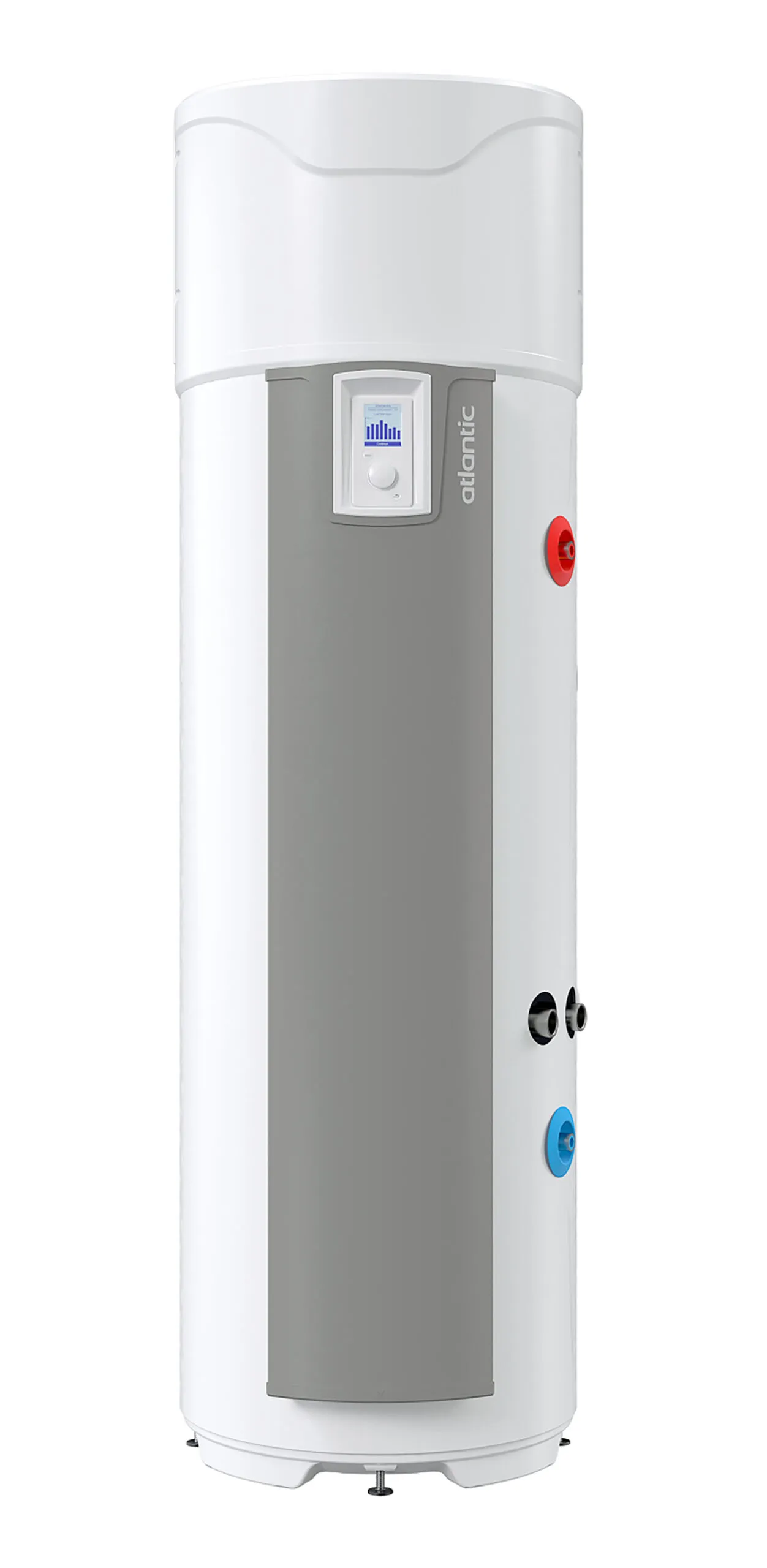
The latest generation of smart grid ready heat pump water heaters connected to solar panels can also act as thermal batteries. By running the heat pump water heater for longer during the hours when the solar panels generate the most electricity and electricity is cheapest, you can store self-generated energy as heat and use that stored heat at another time. This can help you avoid peak consumption and any additional charges.
Since a heat pump water heater uses up to 75% less energy than a conventional electric water heater, it can heat your domestic hot water for up to three times less. Depending on household size and consumption habits, you can save as much as 1,234.06 euros on electricity each year.
A conventional 200-litre electric water heater uses an average of 3,577 kWh/year, resulting in an annual energy bill of 1,699.08 euros (based on an energy price of 0.475 euros). A 200-litre heat pump water heater uses just 894.25 kWh/year. That amounts to an annual energy cost of just 424.77 euros.1
Heat water up to 60% more cheaply with a solar water heater
A solar water heater consists of a storage tank containing a coiled heat exchanger connected to solar thermal collectors on the roof. The collectors absorb the sun’s heat and transfer it to the storage tank, where the domestic hot water is heated via the heat exchanger.
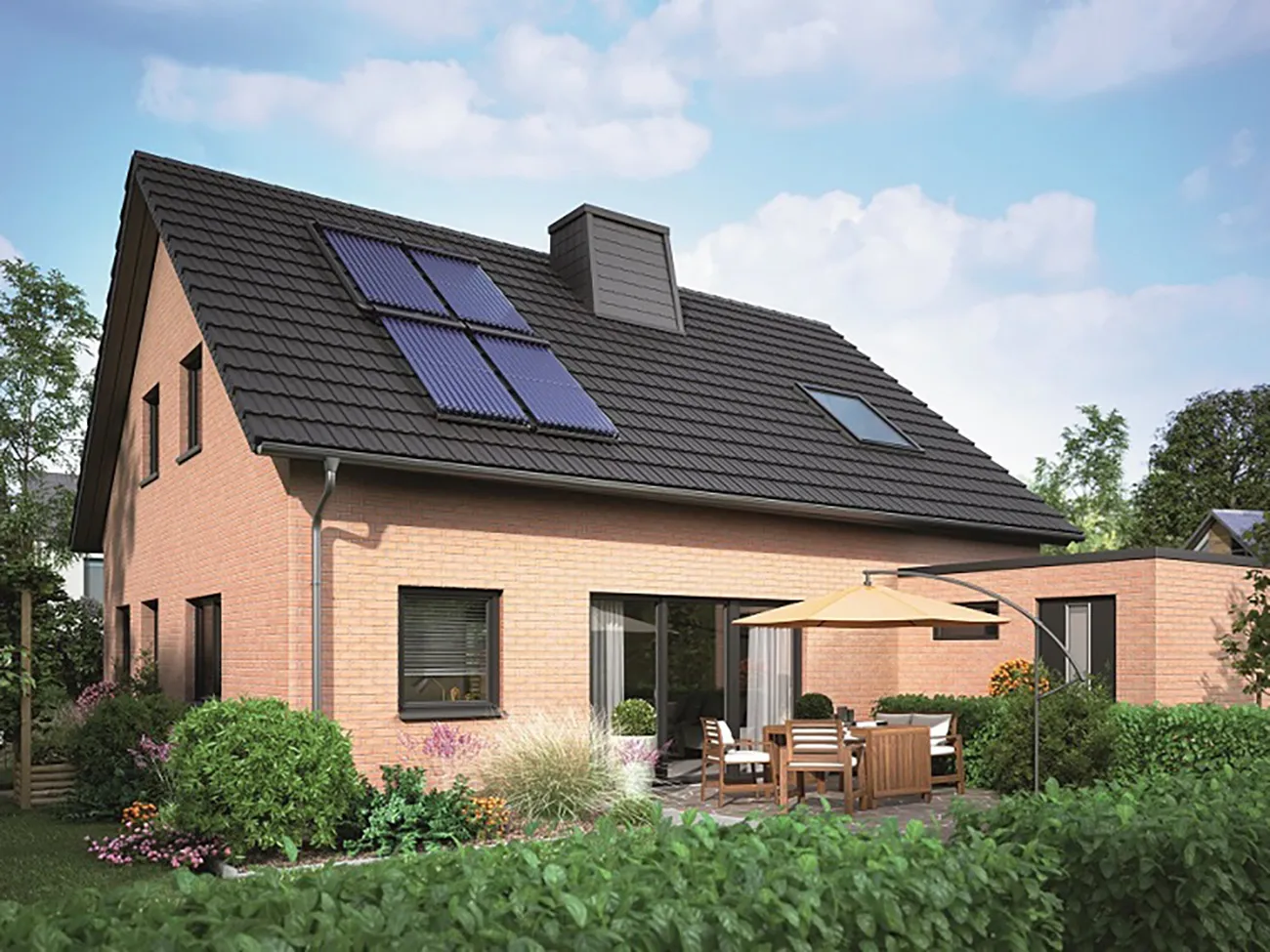
For times when the sun is not shining or is not providing enough heat, the water heater also contains a coil connected to your heating system. This ensures that you always have enough domestic hot water.
By using free energy from the sun, a solar water heater can cut your hot water energy bill by 40 to 60%.
At current energy prices, an average household of 4 people that currently heats its domestic water using fuel oil would save 206 euros a year by switching to a heat pump water heater. Owners of a gas boiler would save 382 euros a year, while households with an electric water heater could save as much as 1,210 euros a year. This is according to the calculator at www.InfoZonneBoiler.be, the information platform of the Belgian solar water heater association Belsolar.2
The extra cost compared with an electric water heater is quickly recouped
A 200-litre heat pump water heater costs around 2,120 euros to buy, with installation costing around 800 euros. A good guide price for a complete solar water heating system is 6,000 euros, excluding VAT.
If we consider only the additional purchase and installation cost compared with a conventional electric water heater (around 1,425 euros for purchase and installation combined, excluding VAT), a heat pump water heater or solar water heater quickly pays for itself thanks to substantially lower running costs. 3
Unlike conventional gas, fuel-oil or electric water heaters, heat pump and solar water heaters are also eligible for a grant in all three regions.
For a heat pump water heater, the grant is 300 euros in Flanders and at least 500 euros in the Walloon Region, depending on income. In the Brussels-Capital Region, the grant ranges from 1,400 to 1,600 euros per dwelling, depending on the applicant’s income and the location of the home.
In Flanders, anyone replacing their existing water heater with a solar water heating system is eligible for a grant of 550 euros/m² of solar collector area, up to a maximum of 2,750 euros or 40% of the invoice amount. In Wallonia, the grant is at least 750 euros, depending on income. In the Brussels-Capital Region, the grant for installing a solar water heater ranges from 2,500 to 3,500 euros, depending on income category and the location of the home, up to a maximum of 50% of the invoice.
Fluvius also offers a 400-euro grant for electric heat control, for smart grid ready heat pump water heaters.
Heat pump water heater manufacturers recommend checking their websites regularly. Trade fair deals and cashback offers that they run from time to time can bring the total value of grants and benefits to as much as 900 euros, making the switch to a heat pump water heater even more worthwhile.
Further information?
Looking for more brand-neutral information about heat pumps? Visit www.InfoWarmtePomp.be, the information platform of ATTB (the Belgian sector association for thermal technologies) and FRIXIS, the professional association of refrigeration companies, WPAC division (heat pump manufacturers and suppliers). For more information about solar water heaters, visit www.InfoZonneBoiler.be, the information platform of the Belgian solar water heater association Belsolar.
Question about this story? Ask your question
Keep following this
Get an email when a new story is published. No account needed.
- ThemeFossil-free heating and cooling
- SubjectNews







