











The future of the installation sector: ‘Digital and fully integrated’

The installation sector is evolving at breakneck speed. Specialist electrical wholesaler Rexel aims to be a trusted source of advice for installers, guiding them through the huge transition they face.
In 2021, Rexel is taking a multidisciplinary approach across the company. A PV project for the wholesaler, for example, involves much more than just solar panels. “Solar panels need to be properly integrated into the building’s entire electrical installation,” says Steven Leeten, Strategic Business Development Manager at Rexel. “When promoting self-consumption, it’s not just about batteries. EV chargers, the biggest energy consumers in the home, heat pumps and electric boilers for thermal storage are also part of the overall picture.” Home automation is another important component of the buildings of the future. Leeten says: “Until now, smart homes and home automation have largely been buzzwords, more often associated with comfort and luxury. But we’re seeing home automation increasingly used to achieve rational energy consumption in the home. The solar panels’ output also determines the energy use of home automation systems. This trend has been reinforced by the introduction of the digital meter and will get a further boost from the capacity tariff.”
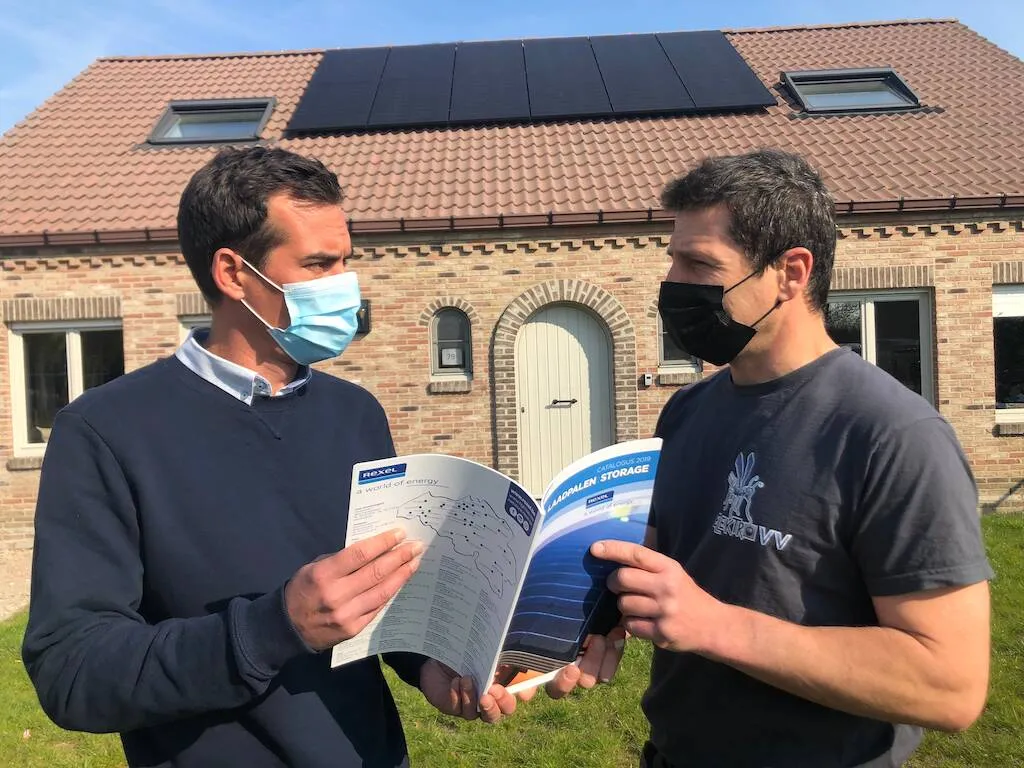
Integration and digitalisation
“The buildings of tomorrow and the day after will be fully integrated, both digitally and technically,” says Leeten. “All systems, from heating and plumbing to electricity, both its consumption and generation, must function as one.” Rexel is convinced that a multidisciplinary approach will be essential in the future. Supporting an entire project and all its systems is key. “At Rexel, we no longer talk about electrical installations, but technical installations. The days when the plumber, electrician and heating installer each came in separately to do their own thing are well and truly over. Their skill sets are increasingly overlapping. Installers, our customers, are diversifying more and more. As a wholesaler, we need to adapt to this new reality.” As installers take on an increasingly important advisory role and need to keep their customers well informed, the wholesaler also has a role to play as a trusted source of expertise. “We’re much more than a branch with a large stock,” says Leeten. “We’re happy to spend time and energy informing and training our customers. Technology is becoming increasingly complex, and we also need to keep up with the latest innovations.” Rexel is also embracing digitalisation. “Our Netstore is not just an online shop, but also a platform for engaging with our customers. They can come to us with questions until late in the evening, and find useful tools such as an EV charger configurator,” says Leeten.
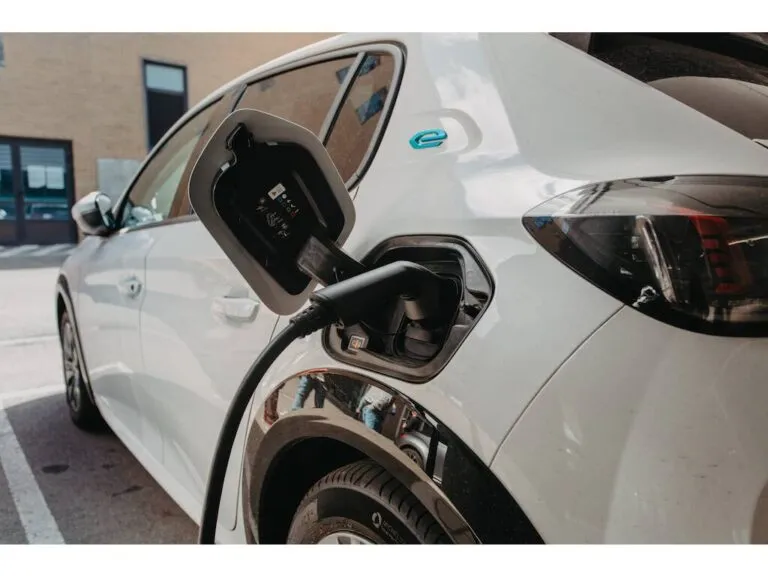
Vehicle-to-grid
Solar panels are facing an uncertain future following the uncertainty over the reversing meter. Yet Rexel and Leeten have no doubt about the need for solar panels. “Living emission-free by 2050 is only possible with renewable energy. We’re only at the starting point of a huge revolution. At Rexel, we’re working to deliver innovative solutions. For example, we’re now focusing strongly on charging infrastructure, because e-mobility is also essential to achieving climate targets.” Combining PV with electric vehicles also offers potential, Leeten continues. “In time, the home battery, which is currently seen as a solution to the end of the reversing meter but which I see more as a necessary intermediate step, could be replaced by electric vehicles. This is known as vehicle-to-grid. Once electric vehicles can operate bidirectionally, they can be used to store electricity. This will bring another major evolution in charging infrastructure as a whole.” Despite the uncertainty, the future looks bright, Leeten concludes. “It’s a rollercoaster, with many changes in a short space of time. But huge opportunities are opening up for the installation sector.”
Een zakelijke vraag aan Rexel Belgium? Get in touch
Companies in this story
Keep following this
Get an email when a new story is published. No account needed.
- SubjectNews
- CompanyRexel Belgium







