











The energy transition in practice: what does it mean for installers?
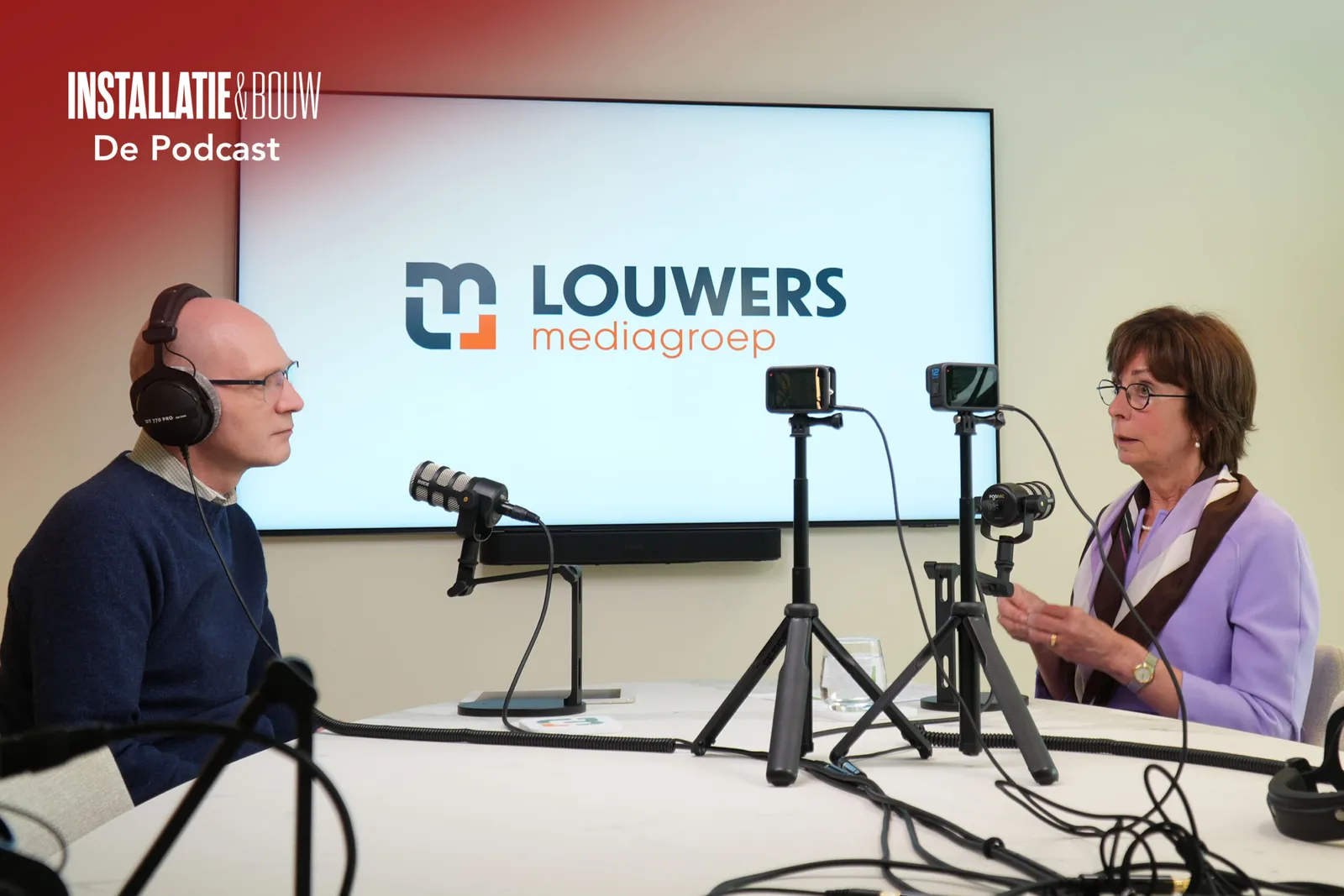
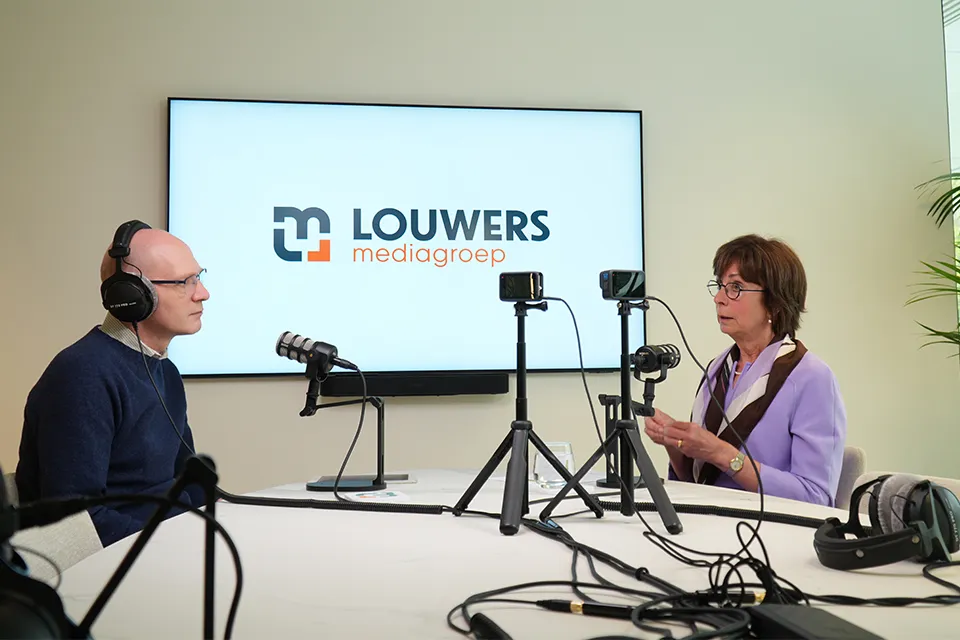
In conversation with Hilde Vandenberghe: Host: Björn Crul
Episode 1 of this podcast series on the energy transition and smart buildings focuses on the impact of electrification, renewable energy and energy management on the installation sector. Host Björn Crul speaks to Hilde Vandenberghe, Category Manager Renewables, HVAC and Consumer Electro at Cebeo, about the evolution of solar panels, EV charge points, home batteries and heat pumps, and the growing role of energy management systems in homes and buildings.
The discussion also covers the impact of regulation, cybersecurity, AI and changing end-customer expectations. What do these developments mean in practice for electricians, HVAC installers and other technical professionals? And how can training and support help them keep pace with the energy transition?
A conversation about smart energy, sustainable buildings and the future of electrical installations.
Een zakelijke vraag aan Cebeo? Get in touch
Full transcript
Alle hoofdstukken (9)
- Introducing the podcast series on the energy transition
- The impact of geopolitics and electrification
- The impact on homes, buildings and installers
- Solar panels, EV charge points and home batteries
- Energy management systems
- Training for installers
- Regulation, cybersecurity and AI
- Cebeo Technologie at Heizel
- End of the episode
Introducing the podcast series on the energy transition
Björn Crul Welcome to this podcast series on the energy transition and the move towards smart, sustainable buildings. Over three episodes, we will take a closer look at the major changes in our energy consumption and their impact on construction professionals and installers. In this first episode, we look at how far the energy transition has progressed, which technologies are making a difference and what that means in practice for professionals. My name is Björn Crul, and my guest today is Hilde Vandenberghe from Cebeo, Belgium’s largest distributor of electrical equipment. Hilde, welcome. Energy is, of course, a topical issue. What has fundamentally changed in the way we talk about the energy transition compared with five or ten years ago?
Hilde Vandenberghe A lot has changed, and thankfully so. But it is still an energy transition. A transition means moving from one state to another, and that can happen slowly. A few years ago, the government, and the world, could already see that something had to change. Policymakers asked themselves how they could support people through this. They launched a support scheme for solar panels. That is where it all began. Solar panels did not bring about an energy transition, but they did offer people a payback model, a way to make money. Things are quite different today.
The impact of geopolitics and electrification
Björn Crul Yes, and with everything happening in geopolitics now and energy prices suddenly rising so sharply, is that changing people’s awareness?
Hilde Vandenberghe Indeed, geopolitics plays a very important role. Why? Because the foundations of our energy supply are changing. We are still used to heating with gas, or even heating oil. Now that we are finding it harder to access those fuels, people are beginning to realise that perhaps it is time to look at electrification and make a change.
Björn Crul Yes, as you say, electrification and greater use of renewable energy. But why is this also a strategic and social necessity?
Hilde Vandenberghe Because we have to do it for the sake of our planet. It was twenty years ago, in 2006, that Al Gore released An Inconvenient Truth. Twenty years ago already. The world knew then that we had to do something to save the planet and ensure there would still be a world for our grandchildren. I will soon be a grandmother. I realise now that those children will really need us to act. So we can see that something has to change, but it has to happen sustainably. It is not just about energy, but everything around it. It is also about waste, awareness and how we live. Sustainability is therefore a very important factor.
Read the full transcriptCollapse transcriptnog 7 hoofdstukken
The impact on homes, buildings and installers
Björn Crul We have to adapt to stop global warming. What does that shift mean in practice for homes and buildings, and for the range of products you offer?
Hilde Vandenberghe It is obviously a major change, because several factors contribute to global warming. One of them is heating and everything that happens in a building. So we need to change the way we build. I think that is already happening, with insulation and so on. A number of requirements are also being introduced. For example, new-build homes will no longer have a gas connection. They will need a heat pump, because they are required to achieve an efficiency of 130%. So we have to move in that direction, but it needs to be more than just a requirement. It also has to be feasible for people. What are we seeing? Buildings are changing. We, as a wholesaler, need to adapt, and so do our installers. Installers need to be able to offer people a solution. That means our range is expanding. It is no longer just about electrical products, but also heating.
Solar panels, EV charge points and home batteries
Björn Crul You have just said that people are beginning to realise that things need to change. We all know that solar panels have long been commonplace, partly thanks to the subsidies that were available. But where do things stand today with EV charge points, heat pumps and home batteries, for example? Are residential customers already willing to invest in them?
Hilde Vandenberghe I am convinced they are, because they realise that solar panels alone are, well, just the tip of the iceberg. Literally. They capture the sun’s energy. But what do we do with it? We can feed it back into the grid as we did before, but that brings us to the wider social question: can the grid cope? Can the grid operator still handle it? We will be producing our own energy and either using it or feeding it into the grid. So what are we seeing? Feeding it all into the grid is no longer an option. Many of us are producing our own energy, so the grid operator no longer has the same influence as it did when there was a power station. People are starting to ask themselves: if I become a producer, I want to use that energy myself. An EV charge point can be important for charging your car. A battery can be very important too. You might say: I do not use much energy at night, but I will make sure my battery is sufficiently charged. Then, in the morning, when demand peaks again, I can draw energy from it. The final step, which I have already mentioned, is heating. What used to rely on fossil fuels is now becoming electric too.
Energy management systems
Björn Crul Yes, generating all that energy yourself and using it, for example through EV charge points and heat pumps, is one thing. But how can users get the best return from it and make sure the right things happen at the right time?
Hilde Vandenberghe That is a very important question, and these systems are, of course, part of the future. We obviously do not want to run out of electricity because we use too much energy. To manage it all, there is an energy management system that manages all the loads and determines what to switch on first based on your profile, the user’s profile. Should I use my EV charge point first, or would it be better to put the energy into my battery? Or should I use the heat pump? You can also store heat in water. All of this needs to be managed by an energy management system.
Training for installers
Björn Crul Yes, energy management systems are a very interesting topic. In the next podcast, we will explore that further with your colleague Henk. Many professionals and installers realise that the energy transition and these new products are an opportunity for them. At the same time, things are becoming more complex for many people. Cebeo is taking on a role here with its Energy Advisors training programme. What will the training involve?
Hilde Vandenberghe Indeed. And it is not just one course. What do we do at Cebeo? The complexity is constantly increasing, for us too. We want to make things easier for our installers. What matters is making things easier. Comfort. For the end customer, but also for the installer. So how can we support installers? We also consider what the end customer wants. As private individuals, we think about what we would want and what questions we should ask our installer. Then we look at the different types of installer. There are electricians, whose core trade is electrical work. There are HVAC installers, whose core trade is heating. And there are refrigeration engineers, whose core trade is cooling. We look at what these professionals need in order to answer a homeowner’s questions when they want to make their home more energy-efficient.
Björn Crul Because it all overlaps, really.
Hilde Vandenberghe Exactly. We look at these different sectors and try to support people. Energy Advisor is a series of modules tailored to the installer’s existing knowledge. For example, if they already know about electrical work, energy management systems will be much easier to understand. If they are used to working with heating and gas boilers, they may need to start with basic electrical knowledge for heating, before moving on to energy management systems. That is one example. An electrician might say: I am now dealing with heating, which also involves water, so perhaps I should take a hydraulics module first. The training is therefore tailored to installers’ needs, with a focus on the questions homeowners are likely to ask them.
Regulation, cybersecurity and AI
Björn Crul Yes, and that is not all, as a lot is changing in both technology and regulation. What should electrical professionals be considering in the coming period?
Hilde Vandenberghe Regulation is indeed very important. It adds a degree of complexity, but also provides standards, which are becoming increasingly important. Take the AFIR legislation on EV charge points, for example. It will set a standard for how a car and a charge point communicate. As things become more digital, cybersecurity becomes an increasingly important consideration. How secure is the connection between my charge point and my car? If you are fast-charging in a car park abroad, is that communication secure? That is what the AFIR legislation addresses. Things are becoming more complex, but also better. There is support available. Another issue installers will certainly need to consider is AI, or artificial intelligence. It will help tailor the systems that manage a home’s energy consumption to the needs of the homeowner.
Cebeo Technologie at Heizel
Björn Crul Hilde, at the beginning of June, Cebeo Technologie will be held at the Heizel in Brussels. What will we discover there about the energy transition? I assume it will be a central theme of the trade fair.
Hilde Vandenberghe Absolutely. It is very important to show how it should actually be done. Our suppliers will be there, each with their own product range. But bringing all those suppliers and their products together is the challenge. That is why we have our central stand, our Green & Smart stand, where we show a complete solution for a home. And not just for a residential property, but for buildings too. Commercial buildings are also subject to legal requirements, depending on their energy consumption. So how does that work? We show the complete solution, even visually, with LEDs and so on. So I would say: if you come to Technologie and visit the central stand, our specialists will be there to explain exactly how it all works, including energy consumption and the management of it. See you at Cebeo Technologie, from 2 to 4 June at the Heizel in Brussels.
End of the episode
Björn Crul Hilde Vandenberghe, thank you for this conversation. In the next episode in this series, we will take a closer look at the importance of energy management and energy management systems. Until next time.
Companies in this story
Keep following this
Get an email when a new story is published. No account needed.
- SubjectNews
- CompanyCebeo







