











Technology should serve the user, not the other way round
Through targeted research and dissemination projects, the Belgian Building Research Institute (WTCB) aims to drive far-reaching innovation in the construction industry. Since 2018, the WTCB has been focusing on ‘smart buildings’ through its ‘Smart Buildings In Use’ business cluster, a subject that is becoming increasingly important.
‘Smart building’ can be defined in many ways, but the idea often comes down to collecting and analysing data to reduce energy consumption, optimise building management and maintenance, and improve users’ experience, wellbeing and comfort. The Smart Buildings In Use business cluster aims to contribute to this, explains Ruben Delvaeye, project leader at the WTCB: “At the heart of our ambition is one key question: what do you want to achieve for the different users? We consider both the building manager and facility manager, as well as the people who spend time in the building every day.”
Lack of awareness
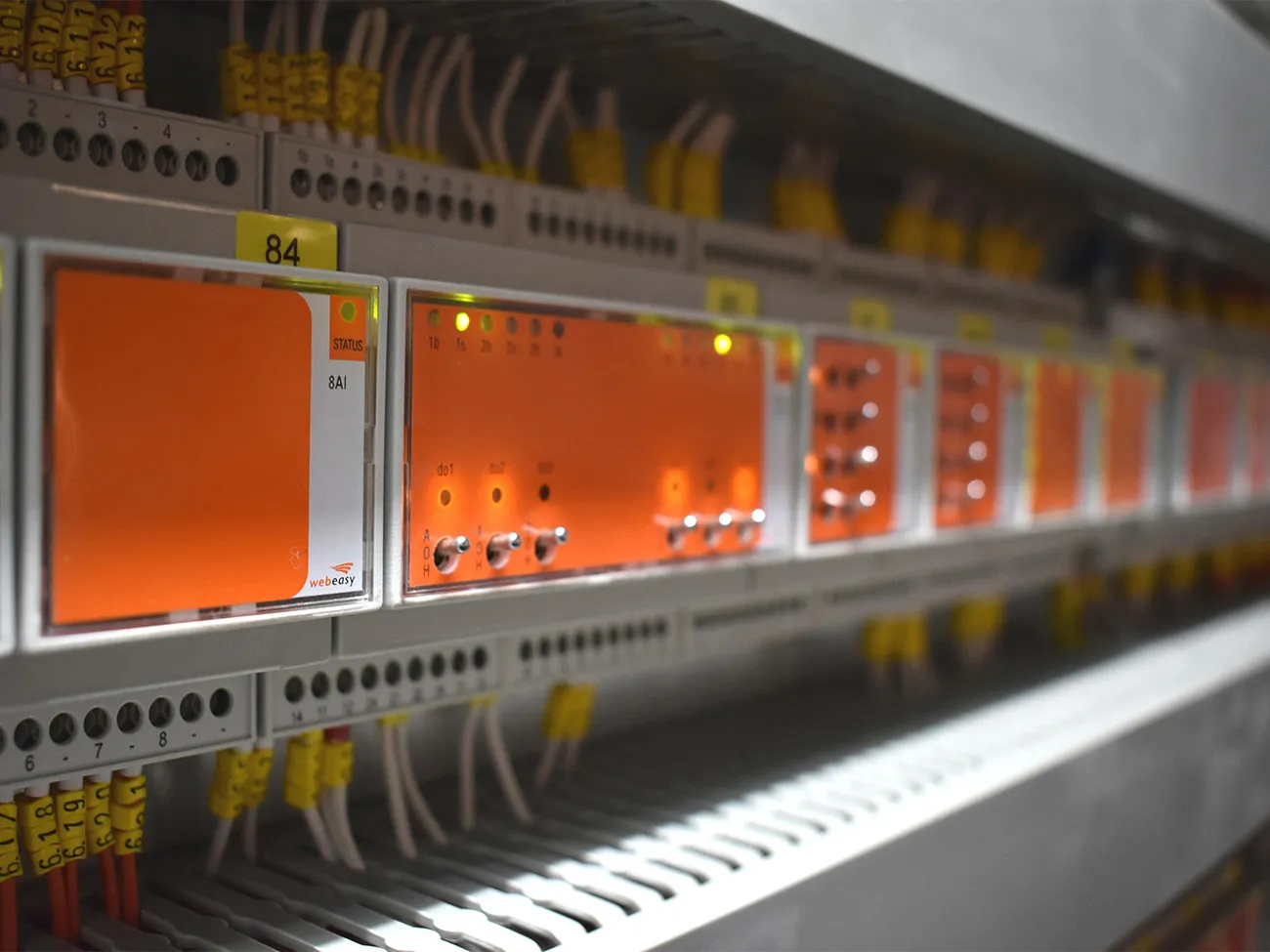
“We have found that there are many questions in the construction sector about building management and maintenance. Belgians are naturally risk-averse, especially when it comes to investment. There is a lack of awareness about smart buildings: what do they mean, and what do they deliver?”, Delvaeye continues. “It is not easy to answer these questions. Through the cluster, we want to provide clarity, explain the added value and lower the barriers to adopting smart buildings.”
However, it is not always easy to quantify the benefits of a smart building. Delvaeye says: “Energy consumption can of course be measured, but what about wellbeing, comfort and user experience? Even so, we are seeing more and more companies willing to invest in these areas because they realise the positive impact on absenteeism and productivity. Since the coronavirus crisis, working from home has remained a lasting trend. This means that companies need less office space, but they are investing more purposefully in the square metres they do retain, with the people who work there in mind. Once again, the user is central.”
Interoperability
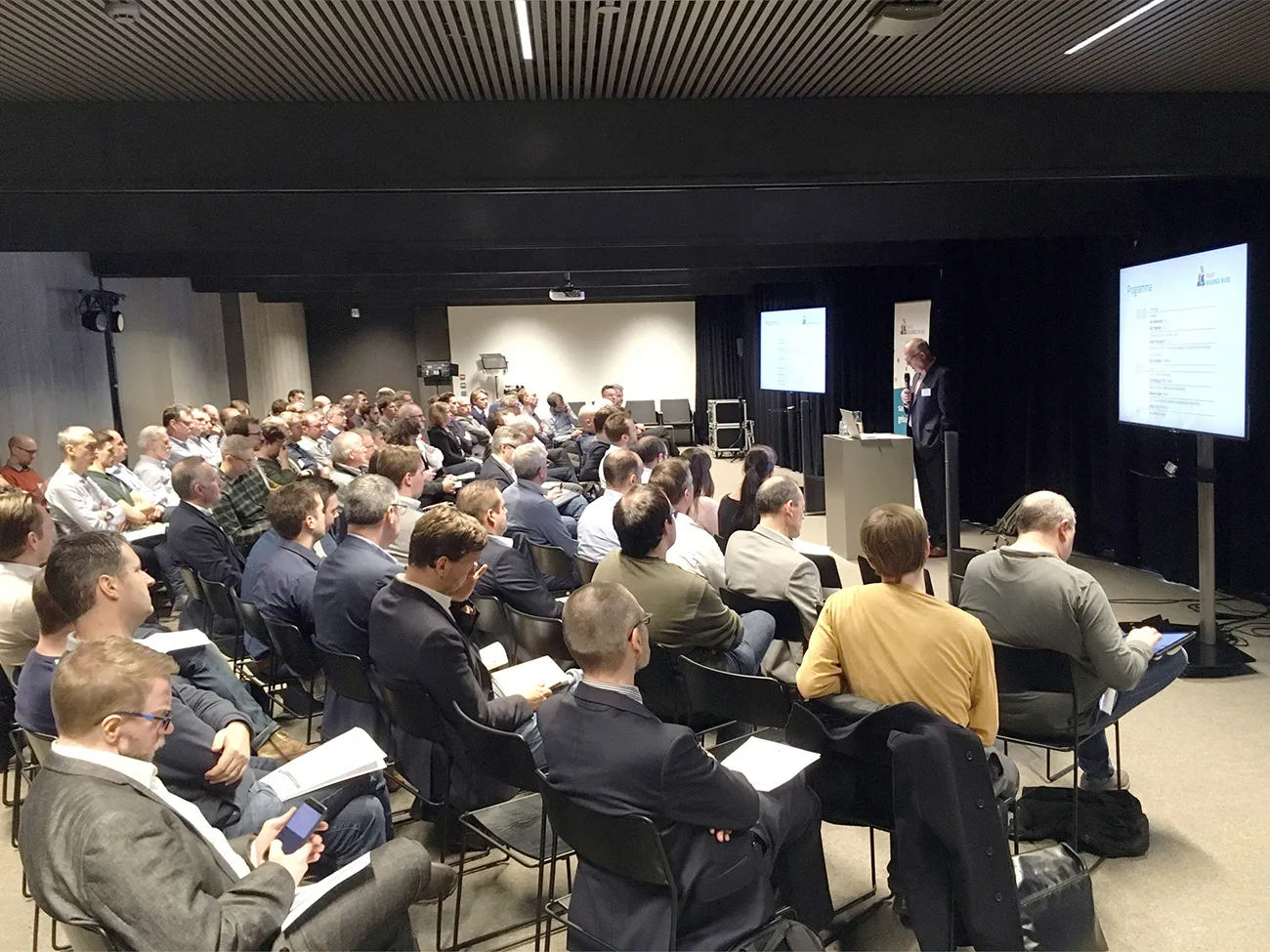
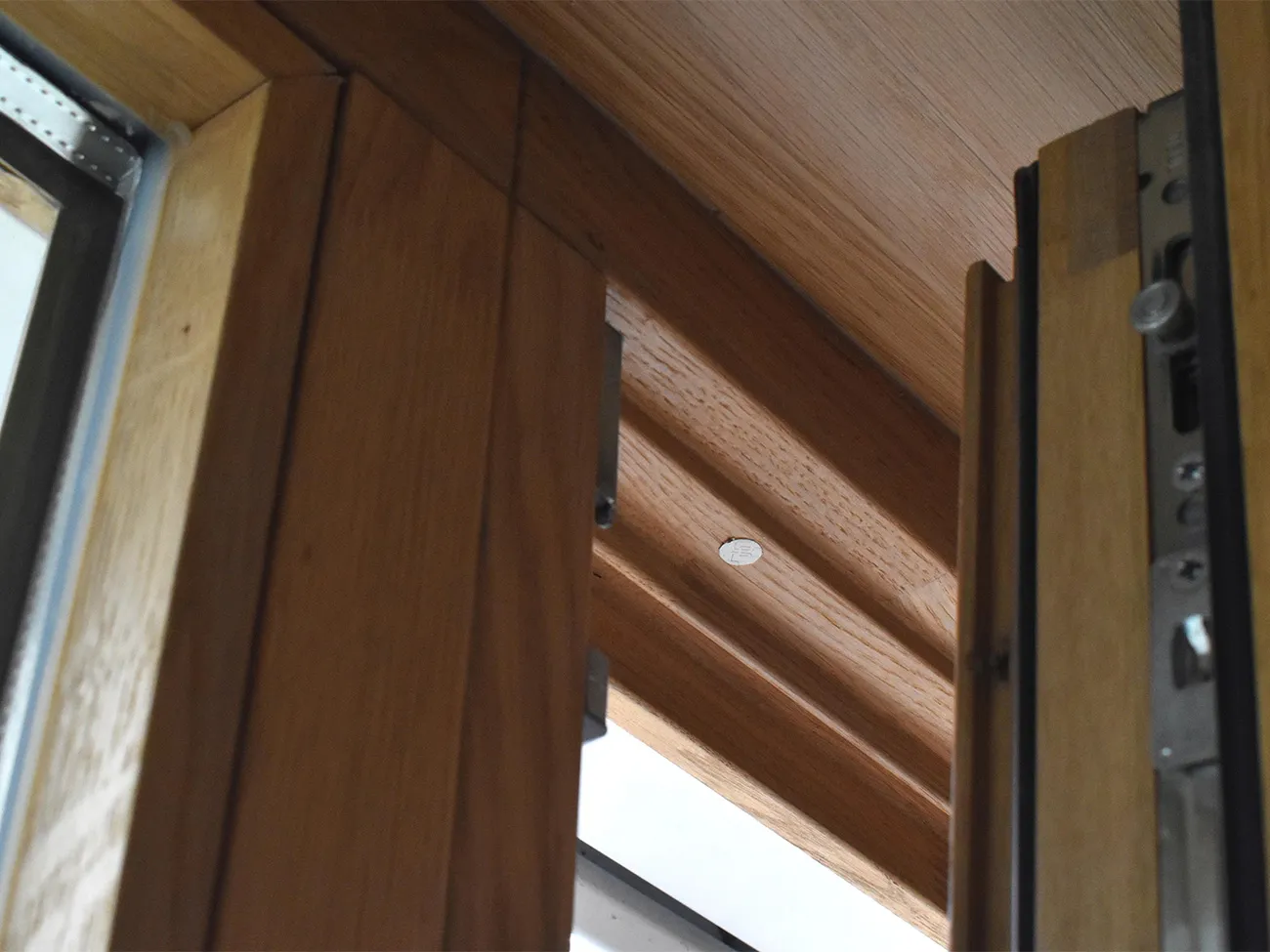
Through the cluster, the WTCB brings together experts from a range of companies, giving them the opportunity to exchange ideas and drive innovation together. At a series of study days, participants can expand their expertise and draw inspiration from interesting research projects. Smart Buildings In Use also produces a number of useful documents. “For example, together with the cluster companies, we have set out our vision of interoperability between different systems in a neutral document, paying attention to the pros and cons of the various options. Interoperability is an important consideration for smart buildings. We therefore look at the questions a building manager or owner needs to ask when they want to enable different technologies to interact.”
Not every building needs sophisticated, state-of-the-art technology. “There are different levels at which you can make a building smarter. Sometimes it is enough to install various sensors, without necessarily linking the different technologies to one another. The most important analysis to carry out in advance is to establish what matters most to the user. Only then can you decide how building technology can contribute to those goals. Technology should serve the user, not the other way round,” says Delvaeye. “Data are the new gold, but they mean nothing unless you draw the right conclusions and take action.”
The Smart Buildings In Use cluster in its current form runs until February 2022, but that does not mean the end of the WTCB’s work on this subject. “We hope that by the end of the process, we will be able to see that the sector as a whole has matured and can take the necessary steps more quickly to make our building stock smarter. In any case, we will continue to bring companies together to innovate and make buildings smarter for their users,” Delvaeye concludes.
As part of the ‘Smart Buildings in Use’ cluster, the WTCB is documenting good-practice examples and lessons learned about ‘smart buildings’ to inform construction professionals about the possibilities they offer. These case studies cover the technological solutions, how they can add value, and the questions contractors can or should ask themselves about smart buildings. You can find an overview of the case studies on the website www.smartbuildingsinuse.be/case-study/ .
Question about this story? Ask your question
Keep following this
Get an email when a new story is published. No account needed.
- SubjectNews







