











Sustainable renovations and creating energy-neutral buildings go hand in hand
Text Anastasia VerleysenImage Schneider Electric
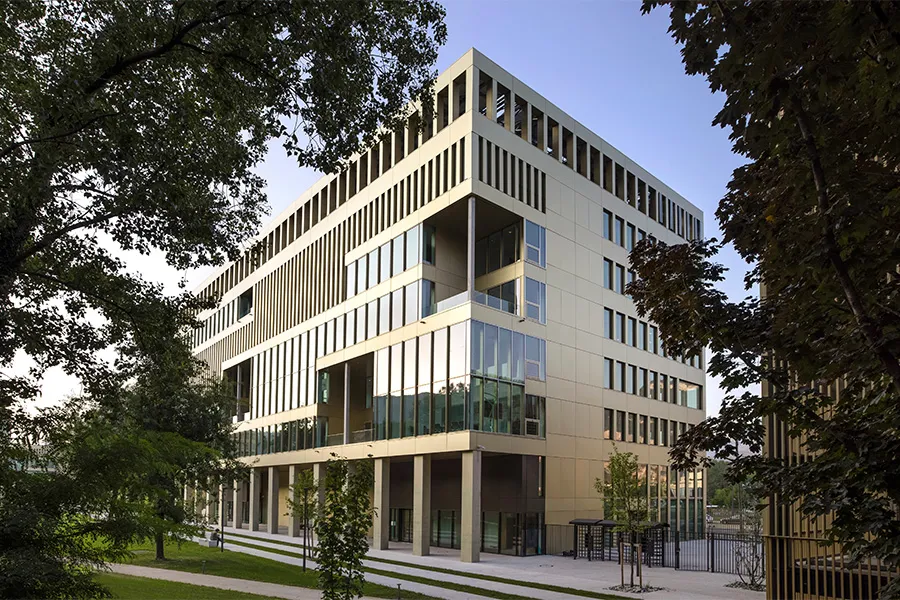
According to an expert, Electricity 4.0 starts with overhauling existing structures
Improving the energy efficiency of buildings is a crucial step in reducing CO2 emissions. More than that, it offers significant opportunities. But realising them requires a complete overhaul of existing infrastructure and energy systems. Schneider Electric supports this vision with well-designed, energy-efficient solutions.
Schneider Electric is a leading global player in digital transformation, energy management and industrial automation. Its integrated process and energy technologies help to improve energy efficiency, cut costs and achieve a range of sustainability goals. Using energy intelligently is key to reducing CO2 emissions.
“At Schneider Electric, we believe that building owners and managers need to take action now,” says Hans Smid, Vice-President Digital Energy for Belgium and the Netherlands at Schneider Electric. “Collectively, we need to cut emissions by 10 to 15 gigatonnes of CO2 by 2030. This can be achieved, among other things, by embracing digitalisation, electrification and renewable energy sources. The energy transition will drive a very significant increase in demand for electricity by 2050. We estimate that demand will be three times the amount consumed in 2018. The reliability of our energy infrastructure is crucial to ensuring energy security. Outages affect day-to-day operations, while rising energy costs impact operating costs. IoT devices equipped with powerful analytical tools can help optimise energy efficiency. We expect three times as many of these devices to be active in buildings by 2030 as in 2020.”
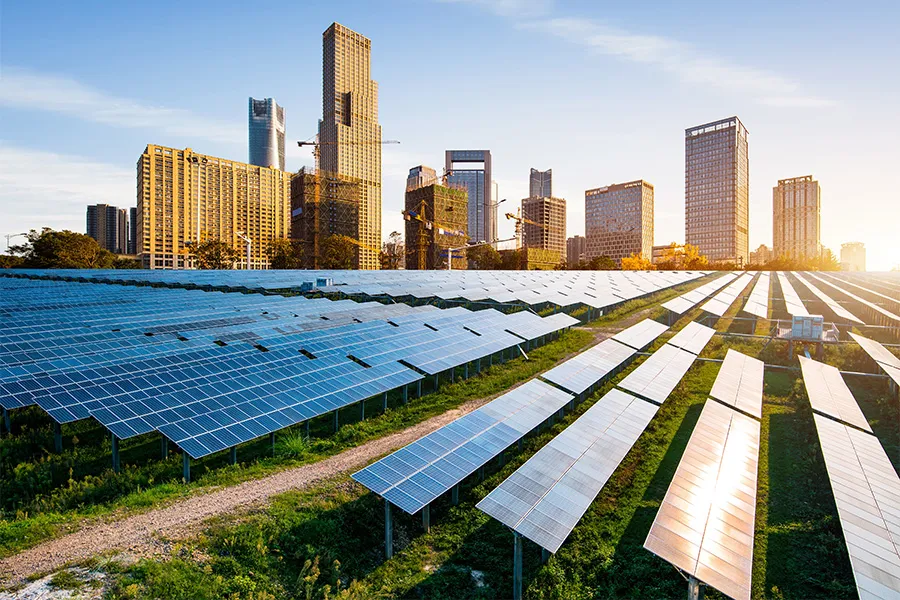
Digitalisation and electrification
All of the above calls for innovative solutions tailored to the task. That is why Schneider Electric is championing what it calls Electricity 4.0: sustainable, smart energy that tackles climate change and the energy crisis. This requires decarbonising the power supply to buildings. Electrification using renewable sources replaces fossil fuels and makes energy cleaner. “But we must also acknowledge the other side of the coin,” Hans Smid admits. “Our homes, businesses and transport systems all need to follow this sustainable path. The only way to do that is to eliminate energy waste and encourage the efficient use of available energy. We should no longer see energy as a product, but as a service.”
For example, businesses can install microgrids to manage energy storage, balance supply and demand, and regulate the load on the network. This requires a combination of digitalisation and electrification, working in conjunction with IoT, big data and artificial intelligence. “This provides insight through real-time information and enables adjustments to be made. It also helps identify sources of CO2 emissions and replace them with cleaner energy.”
Opportunities in existing buildings
For Schneider Electric, the greatest potential lies in existing buildings. Today, these account for 37 percent of global CO2 emissions. New projects are designed with sustainability in mind, but the greatest opportunities for improving energy efficiency lie in existing buildings. “We see that 30% of building-related CO2 emissions result from the materials used and inefficiency. 70% comes from fossil fuels and a lack of renewable or electrical energy,” explains Hans Smid. “Renovation is less carbon-intensive than new construction and supports the circular use of materials, as well as taking account of the CO2 they contain over their life cycle. That is why, at Schneider Electric, we see it as an optimal solution. With 250 years of experience in technological developments, we know that the technology is available to reduce CO2 emissions by 70% and move towards smart energy. That is the acceleration we need to meet the 2030 climate targets.”
Een zakelijke vraag aan Schneider Electric? Get in touch
Companies in this story

Keep following this
Get an email when a new story is published. No account needed.
- SubjectNews
- CompanySchneider Electric







