











Smart automation for homes and commercial buildings
Buildings are more than structures: they are an integral part of our lives. They provide shelter, but also express our culture, values and standards. It is therefore no surprise that architecture is changing as the world becomes more sustainable and strives for greater energy independence. The result is green, net-zero energy buildings assessed against rating systems such as the Building Research Establishment Environmental Assessment Method (BREAAM), currently the leading certification method for sustainably built environments in the Netherlands. At the same time, commercial buildings and homes are becoming smarter, paving the way for efficient energy management.
One good way to use energy more intelligently is to design a building that needs less of it. This can be achieved through passive ventilation techniques, passive solar energy, double or even triple glazing, and thermal mass materials, reducing the need for climate control and sometimes eliminating it altogether. These are far from the only ways a building can reduce its energy requirements. Other options include energy-efficient or passive lighting, water conservation and much more. But however much you reduce the energy needs of a home or commercial building, it is almost impossible to eliminate them entirely. What you can do is turn the building into its own power station!
One of the biggest advantages of solar energy over other forms of renewable energy is that it is a ‘distributed energy source’. In other words, almost anyone with a roof can create their own energy generation system. This puts energy in people’s hands. For many commercial buildings, as well as homes, installing a solar energy system is the best way to generate the energy needed on site. But this can be more challenging for high-rise office buildings and apartment blocks.
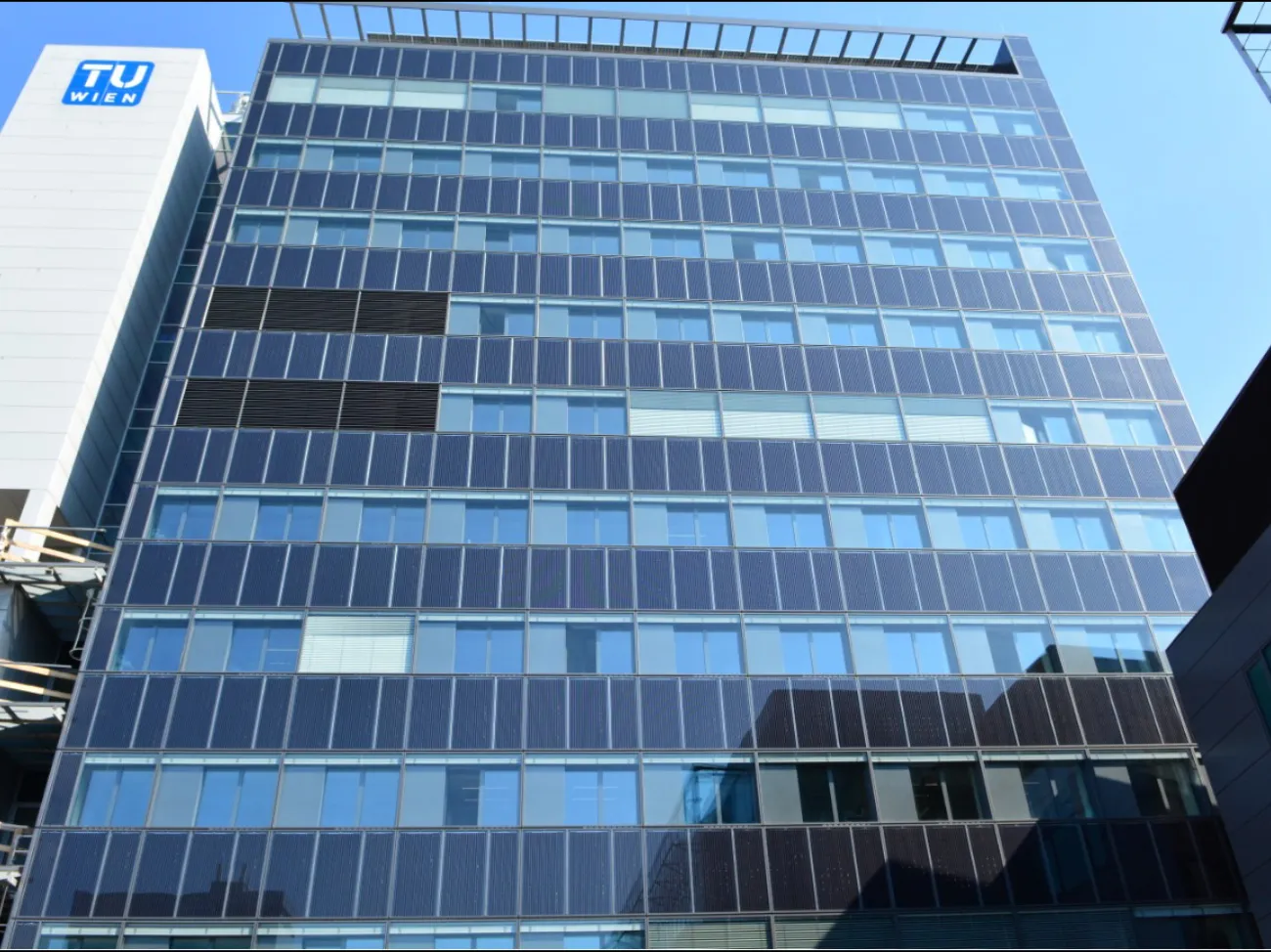
And yet it can be done! As part of its green buildings initiative, the Vienna University of Technology renovated its former chemistry faculty building with the aim of creating the first commercial high-rise complex to generate more energy than it consumes. It was an ambitious goal, because high-rise buildings pose an extra challenge for solar energy systems trying to meet the building’s entire energy demand. The reason is clear: the roof area is relatively small compared with the energy consumed across all those floors. An innovative design was therefore needed, resulting in a solar energy system integrated into the building itself. One of the keys to success was making the most of the design flexibility offered by SolarEdge inverters. This made it possible to cover the entire building surface with solar panels while also optimising the output of each individual panel. On completion, the system was immediately Austria’s largest building-integrated solar energy system. Its direct environmental benefits are estimated at more than 54 tonnes of CO2 emissions saved. That is equivalent to almost 200 trees planted or almost 420,000 light bulbs powered for a day.
Adding solar energy to a building’s energy mix is an important step for anyone looking to make their building energy independent. But it is only the first step. The second is to manage the available solar energy so that as much as possible can be used on site. This makes sense, as your consumption does not always coincide with the output of a solar energy system. Fortunately, there are two ways to address this problem: energy storage and shifting your consumption.
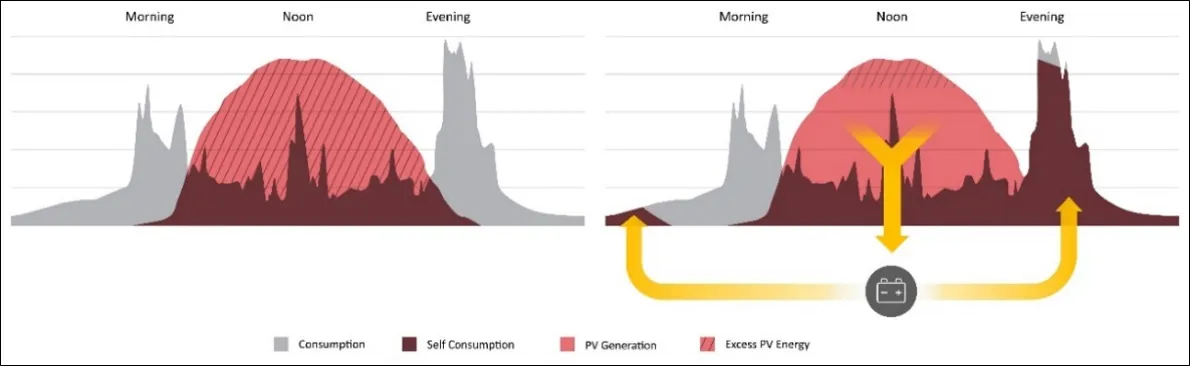
Energy storage is an essential part of smart energy management, as it stores solar energy for use later. This is smarter than limiting generation or feeding the energy back into the grid. A solar energy system with battery storage needs a smart inverter to control the battery’s charging and discharging patterns. This allows you to use as much solar energy as possible on site and become less dependent on grid electricity. The graph below shows how battery storage can increase your self-consumption and, in turn, your energy independence.
Make greater use of solar energy with a battery
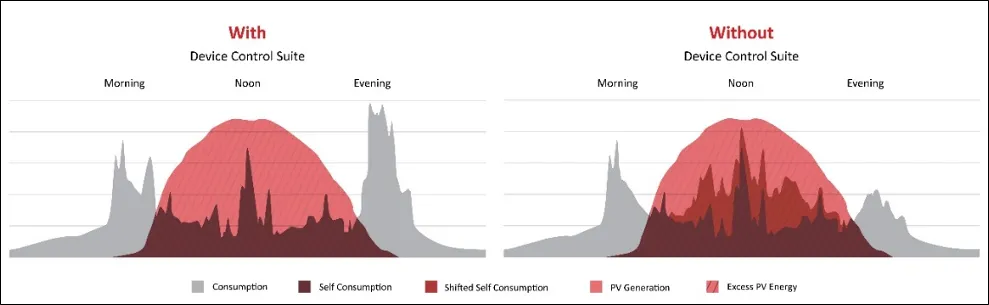
You can also increase your self-consumption by shifting your energy use to other times. This form of smart energy management combines smart building technology with solar energy. You can automatically use surplus solar energy to power smart appliances. If you connect a hot water controller, your lighting, thermostat, fan or tumble dryer to a smart energy management solution, you can run them on free solar energy whenever enough is available. This lowers your energy bill, makes you less dependent on grid electricity and brings greater comfort to your home. These smart systems also let you set and control appliances remotely. They work by connecting smart meters to your plugs and sockets.
Increase household consumption with smart energy management
These smart systems are also notably easy to use, especially when integrated into a single management platform. You can streamline your energy and building management at a glance, reducing operating and maintenance costs. The technology continues to advance, so we will have more and more ways to make buildings energy-efficient. For example, weather forecasts and solar forecasts can be used to plan building heating more efficiently. Personalised profiles and thermostat settings can also provide greater comfort without increasing energy consumption. If we start integrating this technology into the latest architecture now, the buildings and homes of the future will be more in tune with their surroundings and the environment.
Question about this story? Ask your question
Keep following this
Get an email when a new story is published. No account needed.
- SubjectNews







