











Showing the way to sustainable buildings
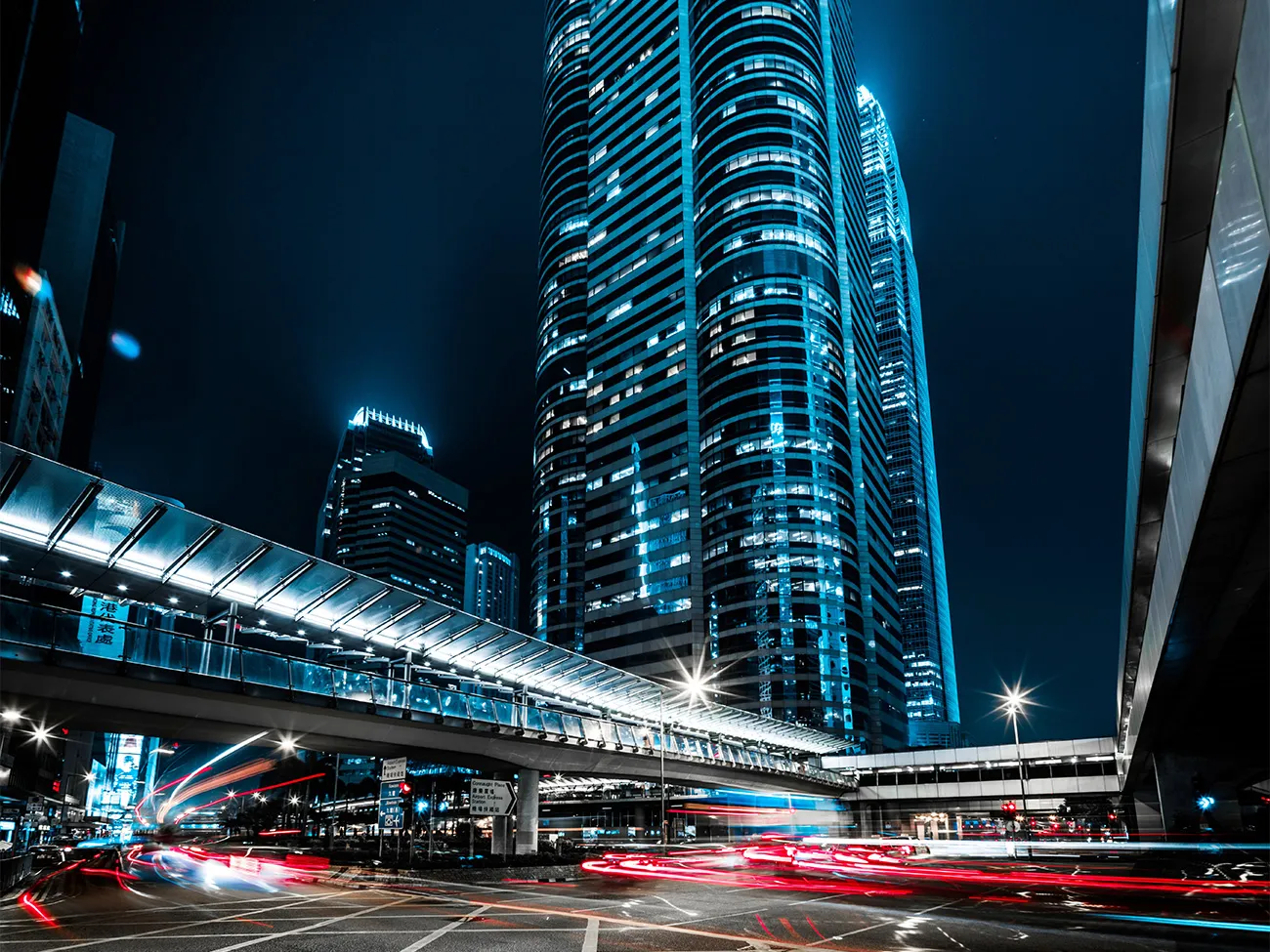
A sustainable world is an electric and digital world. That was the conclusion of the Innovation Summit organised by Schneider Electric in Brussels on 14 and 15 September. The technology is already available to realise the ambition of a carbon-neutral society. But we are not yet making sufficient use of the savings potential offered by smart devices. Schneider Electric showed how things can and must be done better, and how it is leading by example.
Buildings are responsible for 40% of total CO2 emissions worldwide. “So we will not get there by building a few energy-efficient new buildings each year. We must also tackle the existing building stock and make it more energy-efficient. Too much energy is still simply wasted in buildings today. So we know where to start,” says Hans Smid, Vice-President Digital Energy for Belgium and the Netherlands at Schneider Electric. The key to sustainable buildings, according to Schneider Electric, lies in resilience, hyper-efficiency and an approach that puts the user first. Luc Havaux, Leader Digital Building & Business Development, explains: “Only a quarter of a building’s total costs are attributable to its construction. 75% relate to operating costs. But to keep these as low as possible, you need to think about how all the building systems will work together from the design stage. Collaboration between all the different parties is therefore becoming increasingly important.”

Bringing everything together on one platform
But how can we achieve greater sustainability? Digitalisation is the ideal way to improve energy efficiency. Havaux: “Bringing all the systems together in a BMS (building management system) lays the foundations. This allows you to capture data from across the building and bring it together on one platform. The next step is to analyse that data and turn it into actionable insights that drive further optimisation. It is a continuous process that runs throughout a building’s entire life cycle.” BMS solutions are now widely used in office complexes, utility buildings such as hospitals, data centres and more. Yet we are gradually seeing the same principles make their way into the residential market. Homes, too, will need to learn how to manage their energy intelligently, according to users’ needs and energy availability,” says Smid.
Open ecosystems
Schneider Electric brings together its solutions for smart, sustainable buildings in its EcoStruxure ecosystem, an open architecture. Smid: “No one can tackle the challenges facing society on their own. Openness will therefore become increasingly important in the future. We believe we need to build networks where we can draw on one another’s strengths. The questions are certainly being asked. Despite all the problems in the world, companies come to us to find out how they can make their buildings smarter, more energy-efficient and less dependent on oil and gas.” Schneider Electric aims to support its customers throughout this process. “It does not have to be a big bang, either,” Havaux adds. “We can piece the puzzle together step by step to create future-proof buildings across every stage of the life cycle: design, build, operate and maintain. It is not always easy for companies to see the whole picture and know what is functionally required to meet their targets. We try to support them with that.”
Leading by example
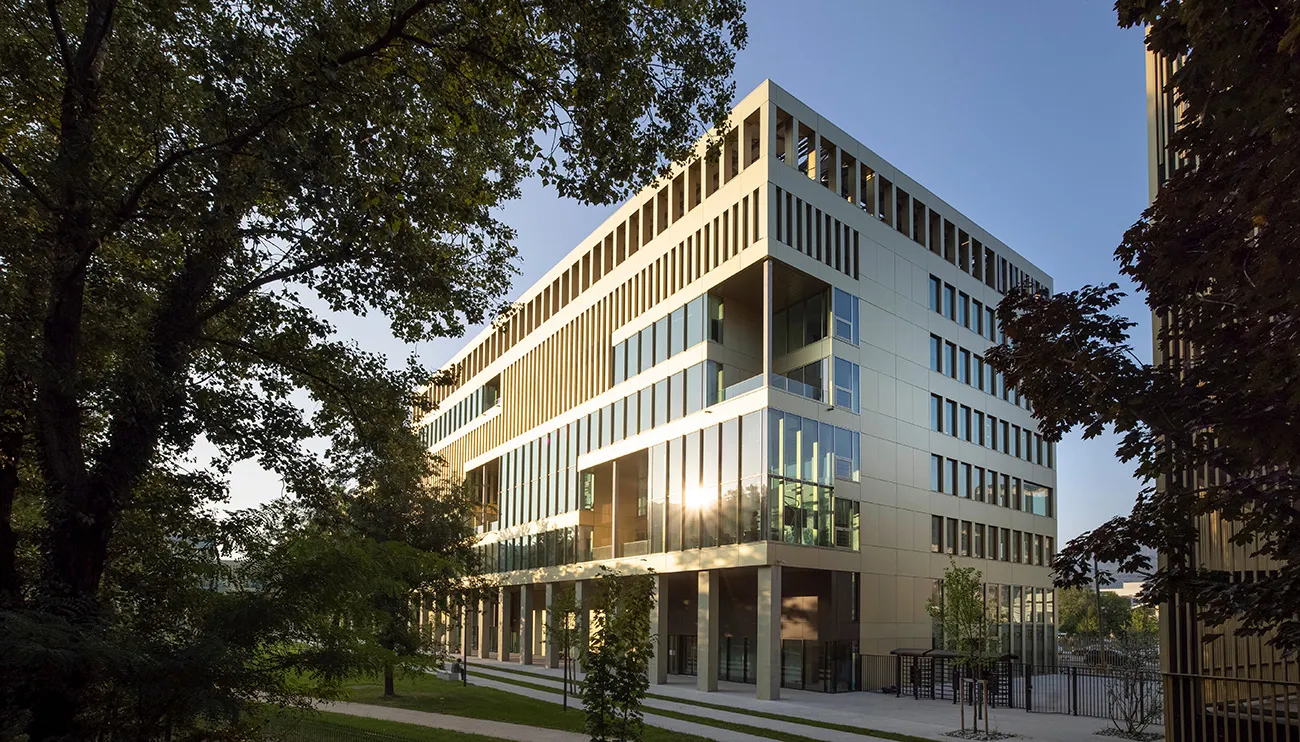
Schneider Electric has committed to making all its buildings net zero by 2030. It aims to achieve this by deploying its own technology on a broad scale. Proof that it can be done is Schneider Electric’s new flagship site, IntenCity, built in Grenoble. The 26,000 m² complex was designed to bring together employees previously spread across thirteen sites in four buildings, while helping to reduce the group’s carbon footprint. With consumption of less than 37 kWh/m² (for reference, the average today is around ten times higher), it shows how a fully electric and digital vision can help address the environmental challenges we face. The 4,000 m² of solar panels and two wind turbines will make IntenCity energy-independent and also supply nearby buildings with renewable energy.
Een zakelijke vraag aan Schneider Electric? Get in touch
Companies in this story

Keep following this
Get an email when a new story is published. No account needed.
- SubjectNews
- CompanySchneider Electric







