











Save energy with hydronic balancing
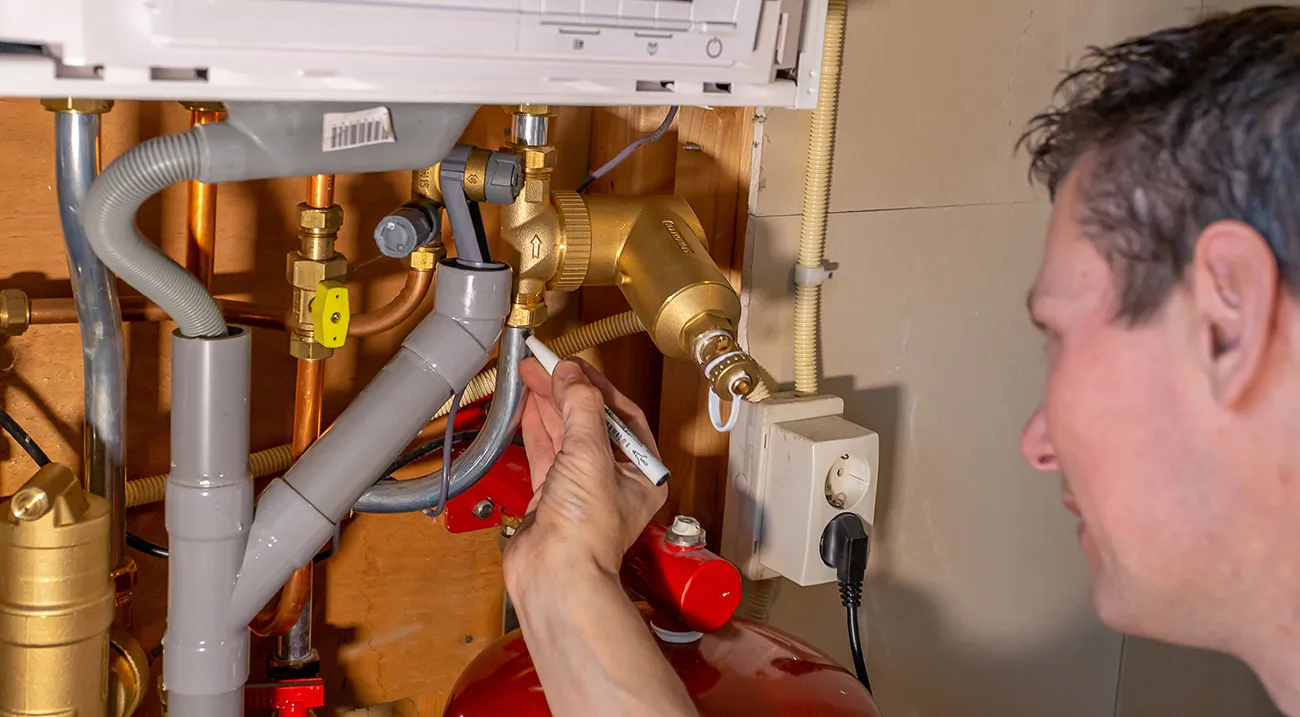
Many people looking to save energy invest in solar panels and better insulation or glazing. Almost no one is aware of the cost savings that can easily be achieved by hydronically balancing an existing central heating system or heat pump. Installation specialist John Visser explains what hydronic balancing is and the benefits it can deliver.
What is hydronic balancing?
As the name suggests, hydronic balancing means adjusting a boiler or heat pump so that water is distributed evenly across all radiators and convectors. This may seem obvious and, since March 2020, has even been mandatory in the Netherlands for new installations and replacements, yet in practice it has not been done in around 80 per cent of existing installations. This is simply because there is insufficient technical knowledge of the many adjustment options available on the wide range of central heating boilers, as well as too little experience in optimising them. “If you don’t carry out this fine-tuning regularly, you don’t get the hang of it,” says Visser. “Over time, the result is an unnecessarily high energy bill and faster wear and tear on the installation.”
A need or a problem
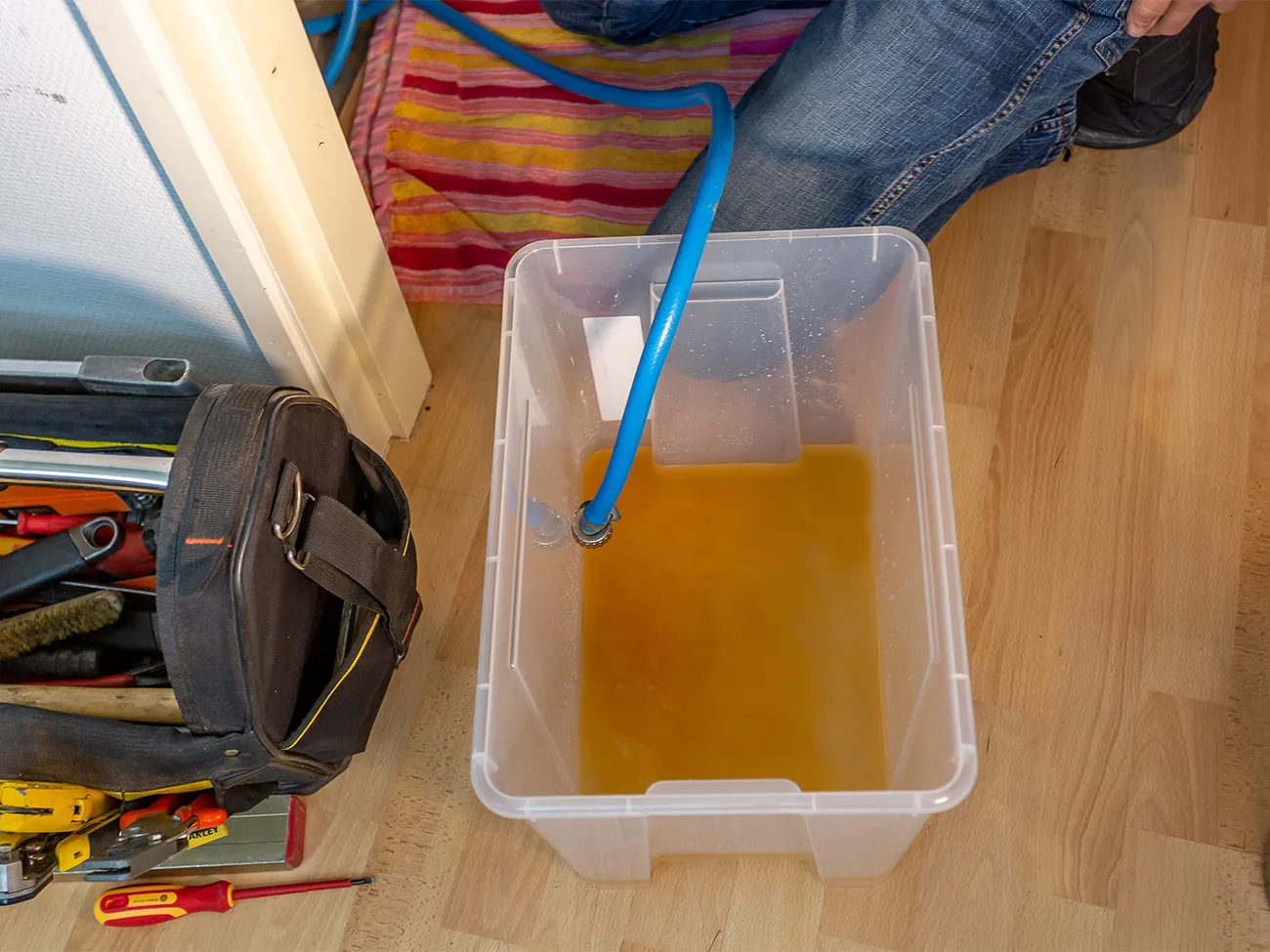
John Visser, from Vianen in the Netherlands, is an installer who specialises entirely in hydronically balancing heating systems for consumers and businesses, and also makes vlogs on the subject. “Most people contact me because they want to save energy, or because a radiator or underfloor heating system is not warming up properly. I first analyse the installation to identify possible causes, and then, if necessary, improve the hydronic balancing. Every week I’m surprised to find boilers and heat pumps still set to their standard settings and radiators connected incorrectly, even though proper hydronic balancing has been mandatory for a year and a half. Many systems also perform less well after a few years because of air and dirt in the system water.”
Efficiency losses caused by air and dirt
Heating and cooling systems lose efficiency over time through everyday use. Research shows that the build-up of air and dirt in the system is a major cause. Unaware of the problem, many people compensate for efficiency losses by heating for longer at a higher temperature, resulting in excessive energy bills. For sustainability reasons, high-efficiency boilers have been installed for many years, operating at lower temperatures and output to reduce energy consumption. However, because dirt builds up more easily at lower temperatures, some of the theoretical efficiency gains offered by this new generation of boilers are lost in practice.
The solution
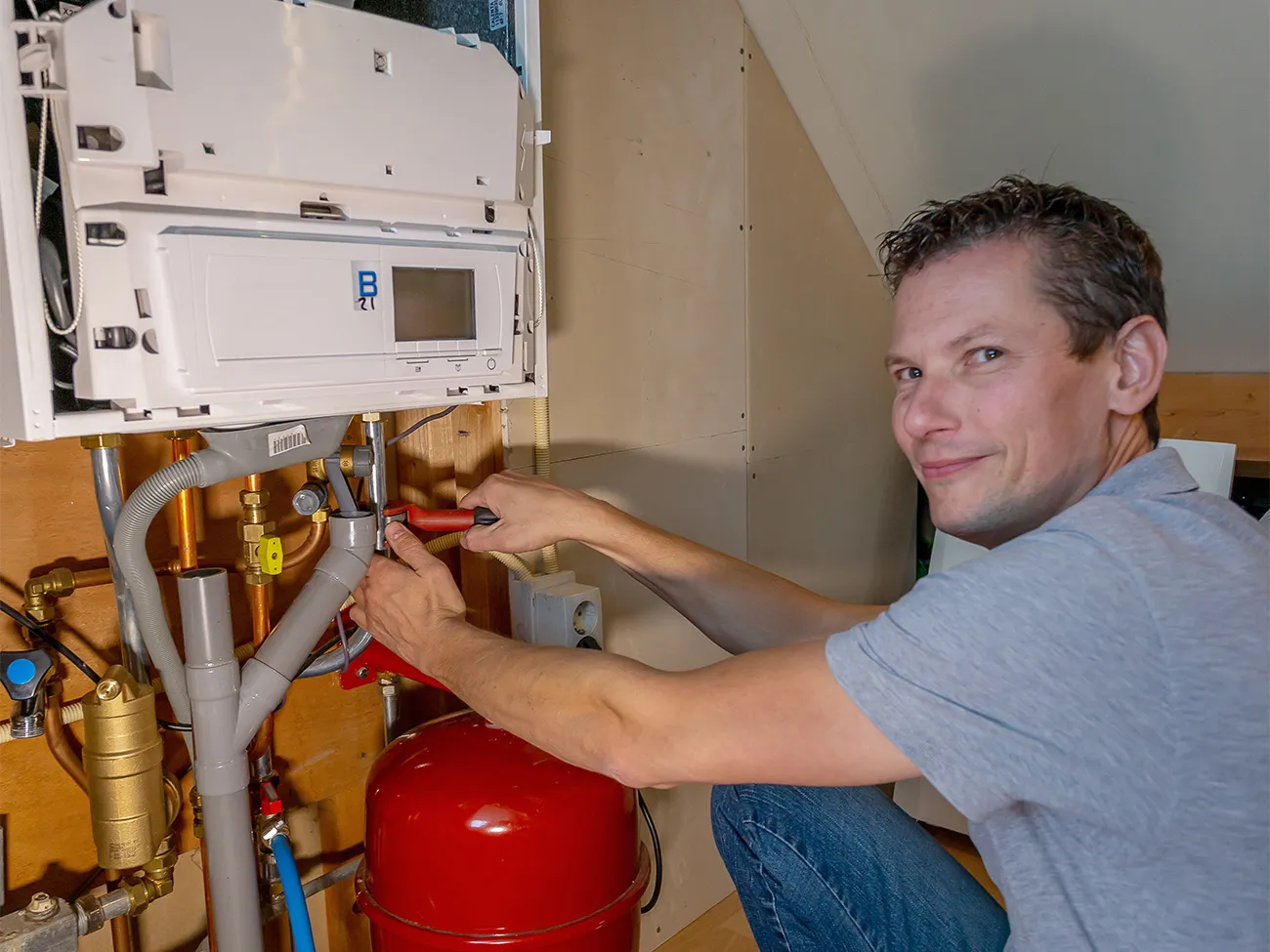
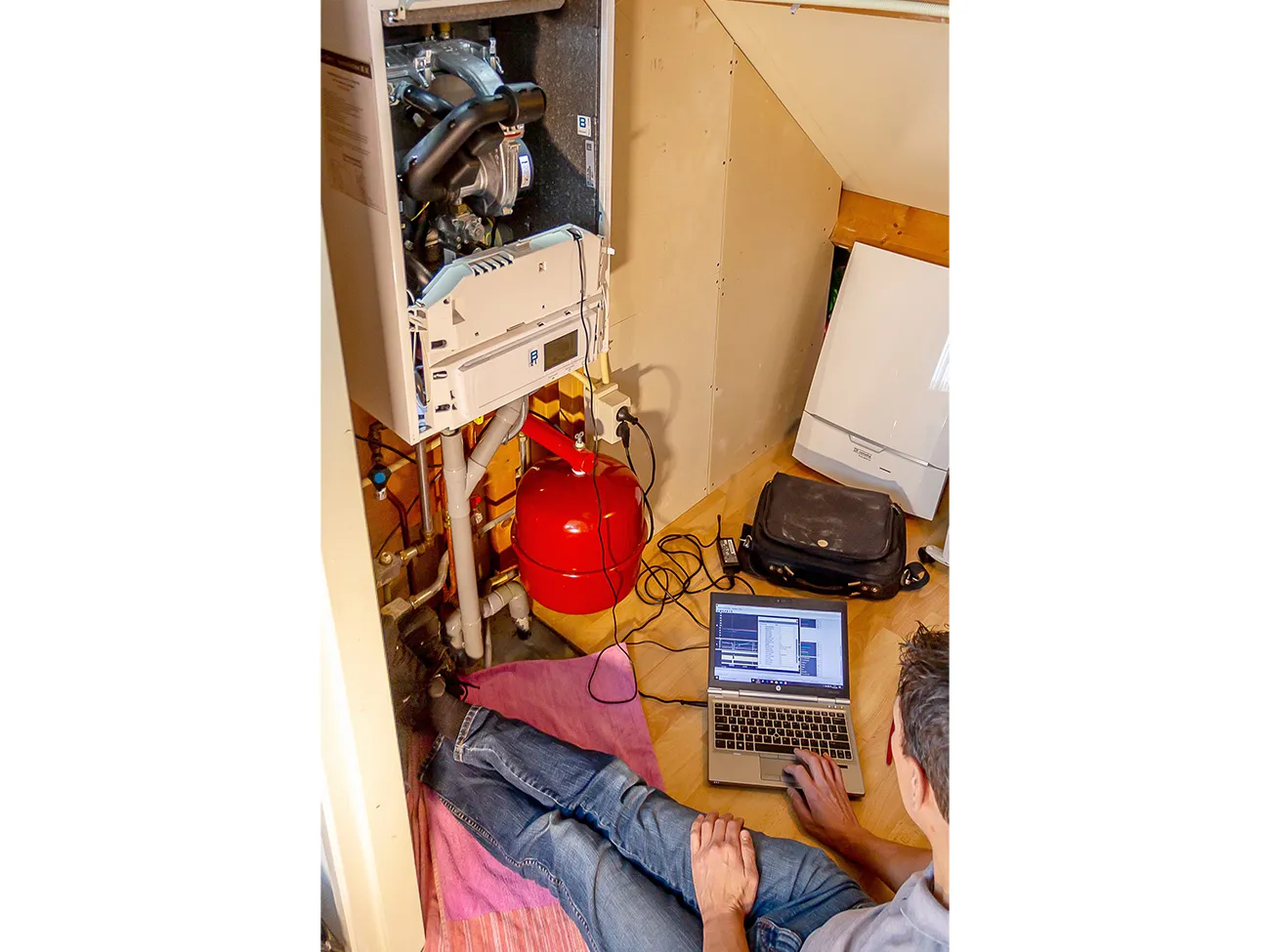
“If there is air and dirt in the system, they must first be removed using separate air and dirt separators,” says Visser. “Air is most effectively removed from the flow pipe, while dirt is removed from the return pipe. I use solutions from Spirotech because they are quality products made in the Netherlands, with a 20-year warranty and good service. I then optimise the hydronic balancing of the entire system, taking into account the type of boiler or heat pump. This involves measuring temperature changes throughout the system, and new adjustable valves may be needed. Incorrectly connected radiators are also put right, of course. With so many makes and models of boilers and heat pumps, each with a range of settings, this is specialist work that you need to do regularly to achieve the best results.”
Benefits
Hydronic balancing saves between 5 and 10 per cent on energy costs, meaning that the work required on existing systems pays for itself in just 3 to 4 years. Although it is mandatory for new or renovated systems, in practice it is rarely done or is done inadequately. Another important benefit is reduced wear and fewer breakdowns of the boiler or heat pump, which extends its service life. “In my view, hydronic balancing is an overlooked foundation for the energy transition, which everyone will be dealing with in the coming years,” concludes Visser. “Consumers and businesses looking to save energy would be better off having their existing system optimally balanced first, before investing in improved insulation and solar panels.”
Spirotech, based in Helmond, supplies SpiroVent RV2 air separators and SpiroTrap MB3 dirt separators, which automatically remove all air, microbubbles and dirt from the system water while the installation is in use. A SpiroCross combines air and dirt removal with hydraulic balancing of the system. Spirotech also supplies additives to maintain and improve the quality of the system water.
Een zakelijke vraag aan Spirotech België BVBA? Get in touch
Companies in this story

Keep following this
Get an email when a new story is published. No account needed.
- ThemeFossil-free heating and cooling
- SubjectNews
- CompanySpirotech België BVBA







