











Revised EPB requirements from 2025: what is changing, and what are the implications for HVAC installers, electricians and plumbers?
Text Wouter PolspoelImage Pixabay

Revised EPB requirements have been in force in Flanders since 1 January 2025. This article covers the three main (!) changes and what they mean for HVAC installers, plumbers and electricians.
Regular readers of Installatie & Bouw will probably need no further explanation of the EPB requirements, but to be on the safe side, we will briefly explain what they entail. With a few exceptions, anyone building or carrying out a major renovation of a residential or non-residential building in Flanders is required to comply with EPB regulations. A major renovation means that at least 75% of the existing and new building envelope components separating the building from the outside environment are insulated, and that the systems used to achieve a specific indoor climate are completely replaced. EPB stands for energy performance and indoor climate. The regulations set requirements for insulation, building services, ventilation and overheating. These are the EPB requirements. The aim is to reduce buildings’ energy consumption, which is important to Flanders’ goal of cutting CO2 emissions by 40% by 2030, compared with the 2005 reference year, and by 85% by 2050.
Ban on boilers in new-build projects
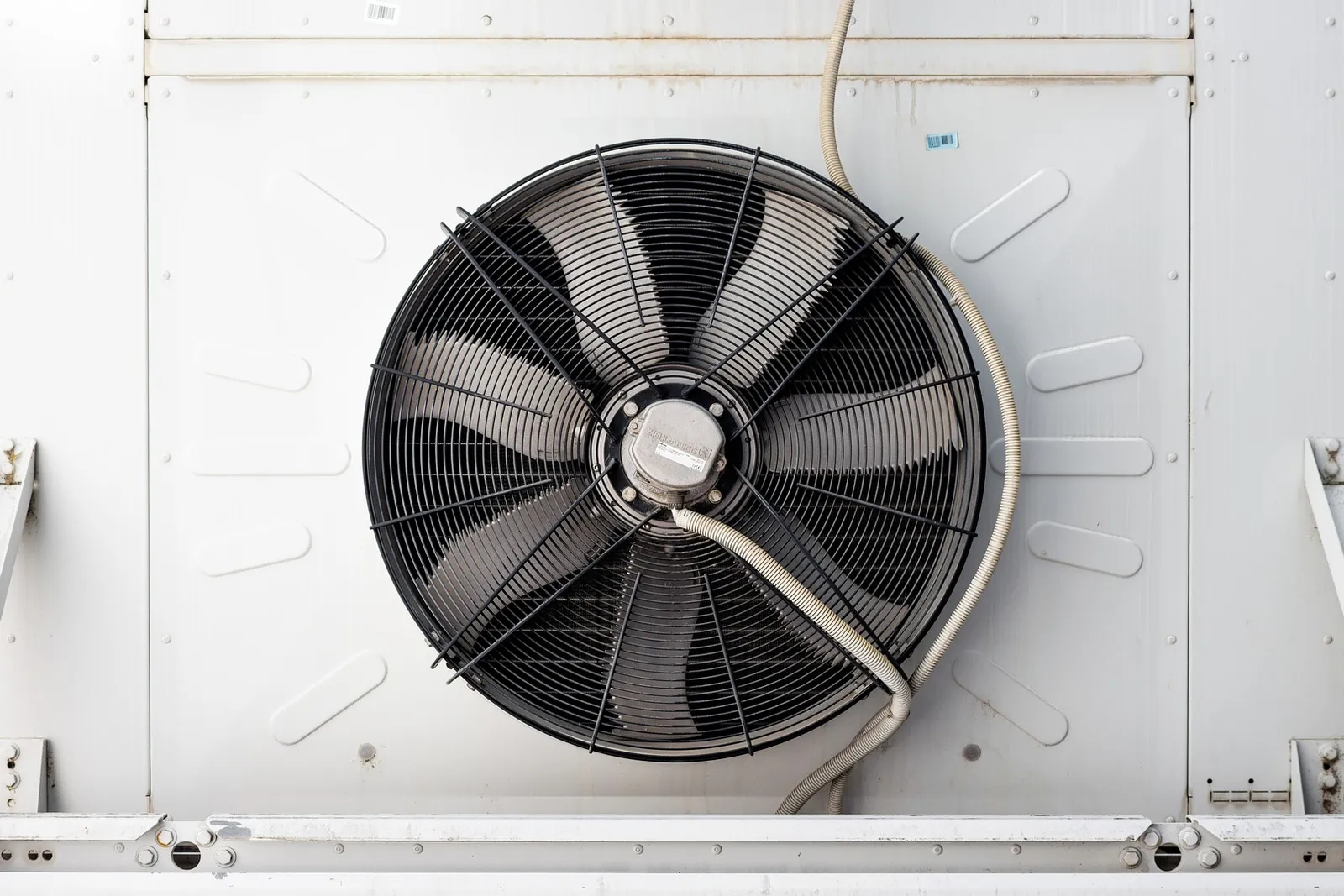
One major change is that new-build projects can no longer be connected to the gas network, which also means that conventional gas boilers may no longer be installed in such projects. The only permitted options are a fully electric heat pump, connection to a district heating network, other forms of electric heating or a biomass boiler.
Tighter standard for water-based heating systems
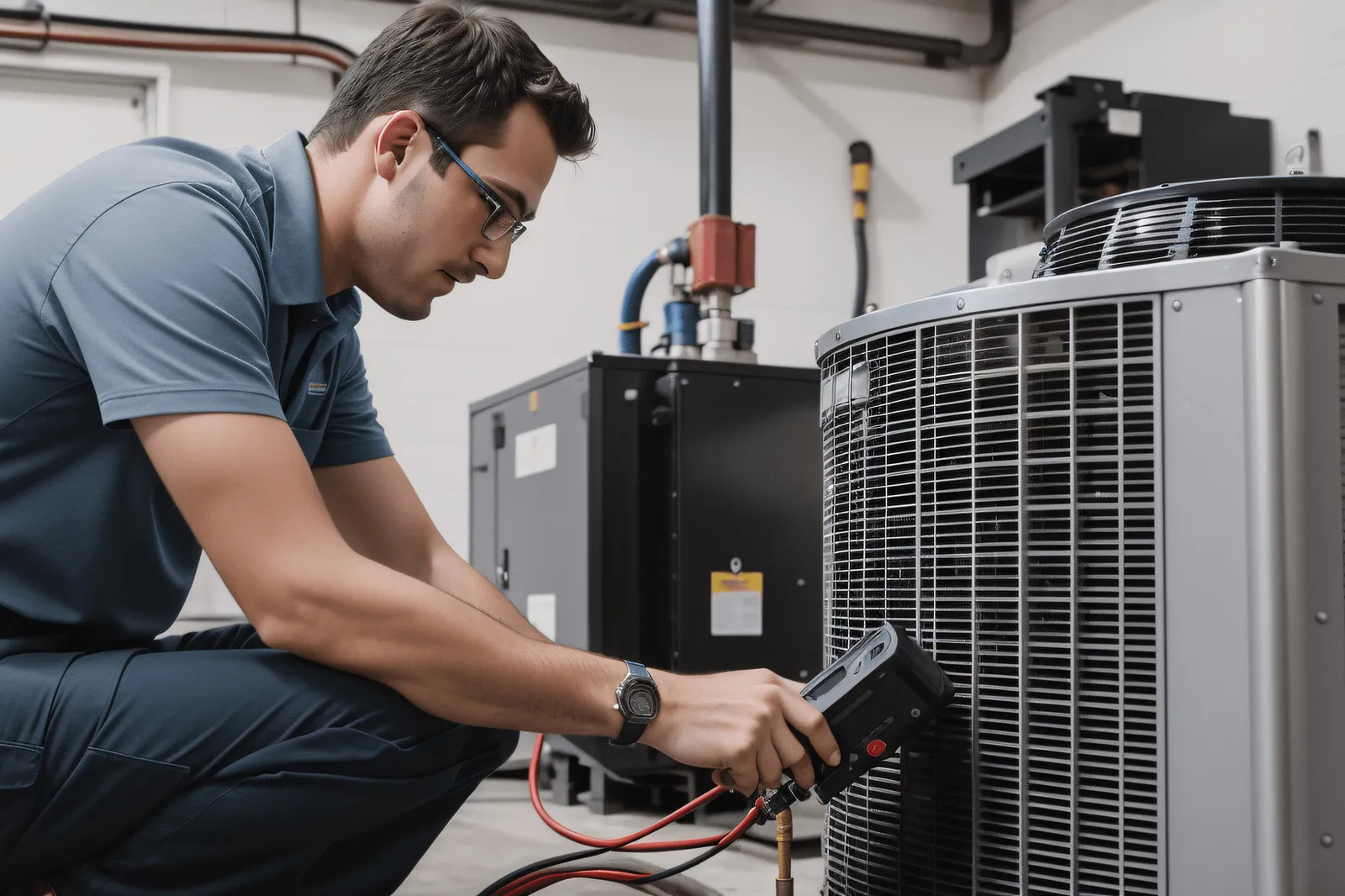
A new gas boiler can still be installed during a major renovation. However, another change requires water-based heating systems to achieve an efficiency of at least 130% in both new and major renovation projects. This means a boiler alone is no longer sufficient and will have to be combined with, for example, a heat pump.
Minimum share of renewable energy overhauled
This brings us to a third major change: only on-site generation from solar panels and solar water heaters now counts towards the minimum share of renewable energy. The requirement for new residential buildings falls from 25 kWh/m² per year to 15 kWh/m² per year, and for new non-residential buildings from 35 kWh/m² per year to 20 kWh/m² per year. For residential and non-residential buildings undergoing major renovation, the requirement remains 20 kWh/m² of renewable energy per year, but this must also come exclusively from solar energy systems.
Implications for grants and subsidies
The stricter EPB requirements also bring changes to the conditions for grants and subsidies. Customers who meet the new standards can benefit from additional financial support.

Installers and electricians have work to do
The changes to the EPB requirements from 2025 call for HVAC installers, electricians and plumbers to adapt their approach. They will inevitably need to broaden their expertise to include renewable energy, although this trend is not entirely new. Those who fail to do so risk being left behind.
As the different areas of the HVAC sector increasingly converge, a heat pump can, for example, provide both heating and cooling, while energy management systems enable all installations to work together efficiently, HVAC installers will also need to look beyond these individual areas and broaden their expertise across multiple markets.
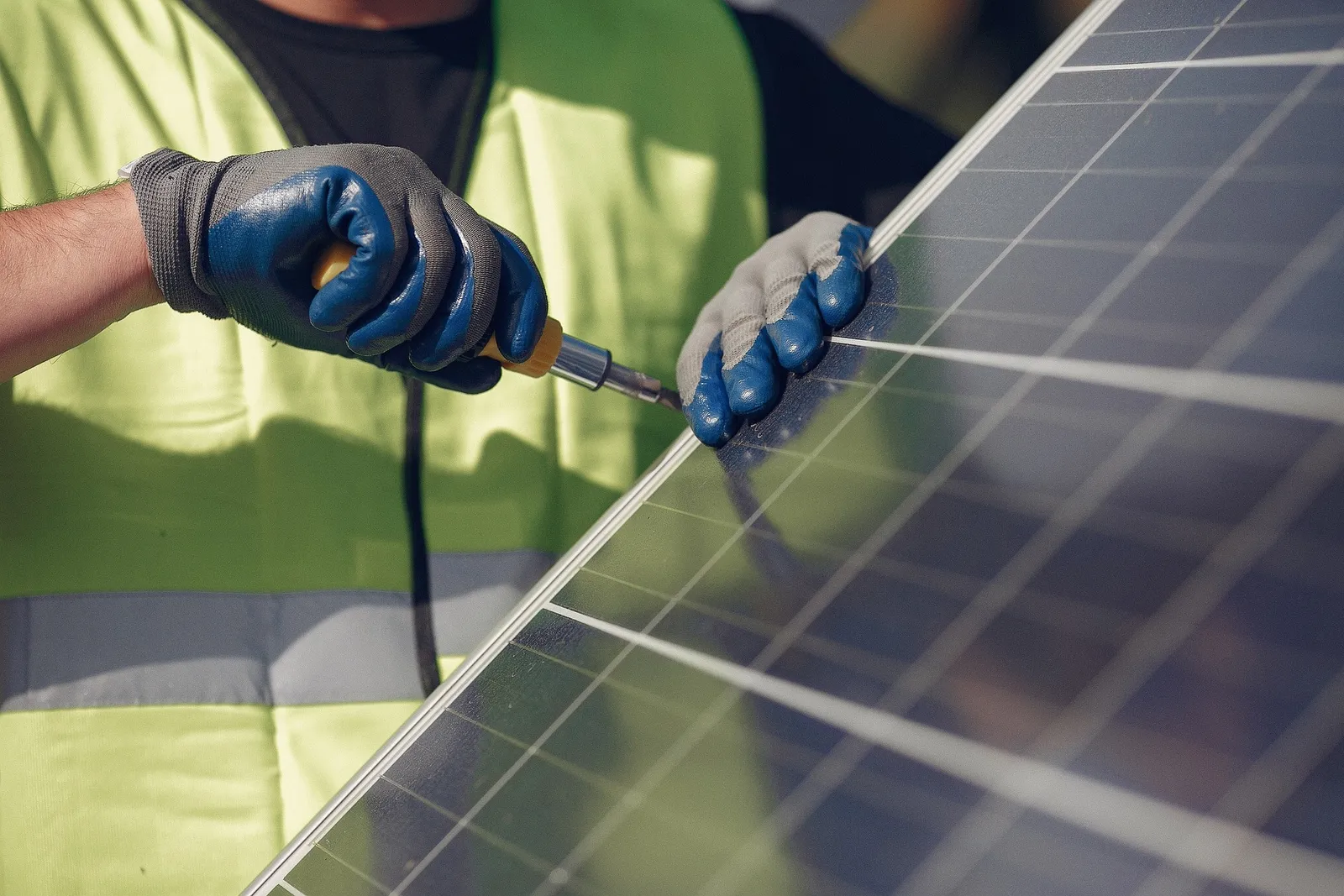
With electrification, electricians are increasingly dealing with systems that would have been completely unfamiliar to them twenty years ago. They will therefore need to develop their skills in these new technologies.
Finally, professionals also have a role to play in informing customers about the new conditions for grants and subsidies and helping them make the right choices. They must therefore keep up to date with these conditions and know which solutions can meet them.
Question about this story? Ask your question
Keep following this
Get an email when a new story is published. No account needed.
- SubjectNews







