











Propane, a popular ingredient in hybrid heating systems

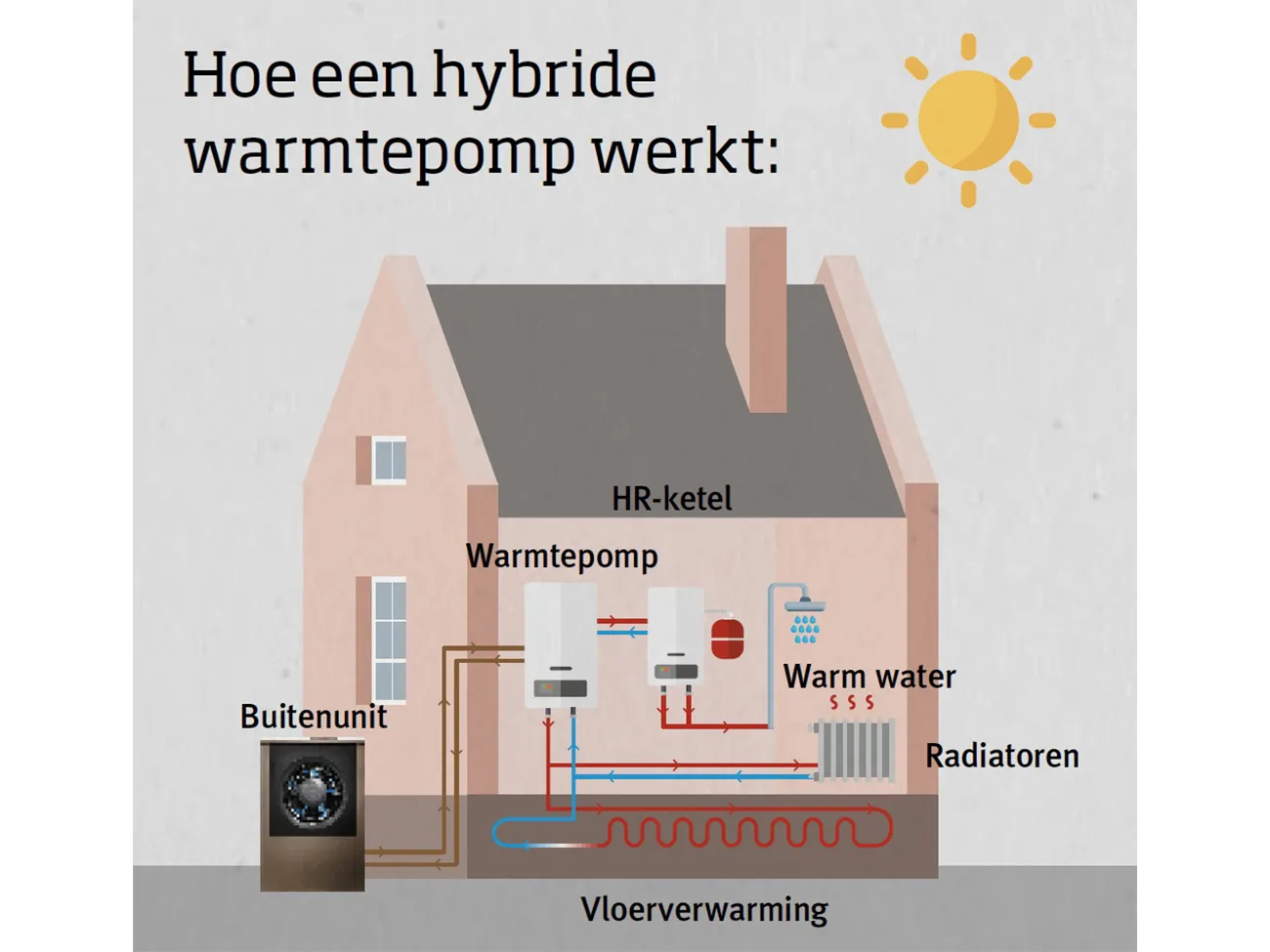
Heating systems in Belgium need to become more sustainable. However, there is a growing awareness that heat pumps are not always the perfect solution. In such cases, hybrid systems offer an answer. A hybrid heat pump is a heat pump that can run on gas and electricity. No mains gas in your street? No problem: propane gas can also be combined with a hybrid heat pump without any difficulty.
Ever-stricter EPB requirements make things more complicated and have a major impact on the choice of heating system, as a minimum share of renewable energy is now essential. Until recently, heat pumps were a popular choice for heating new-build homes. Provided you installed enough solar panels, you could generate sufficient electricity during the summer months and then use that power in winter to run your heat pump and heat your home. However, the recent abolition of the reverse meter in Flanders has put a stop to this. Electricity is inherently expensive to use on a large scale for heating a new-build home. And storing large quantities in home batteries is not yet a viable option. As a result, heat pumps are no longer an obvious choice for many people building a home.
Gas heat pumps
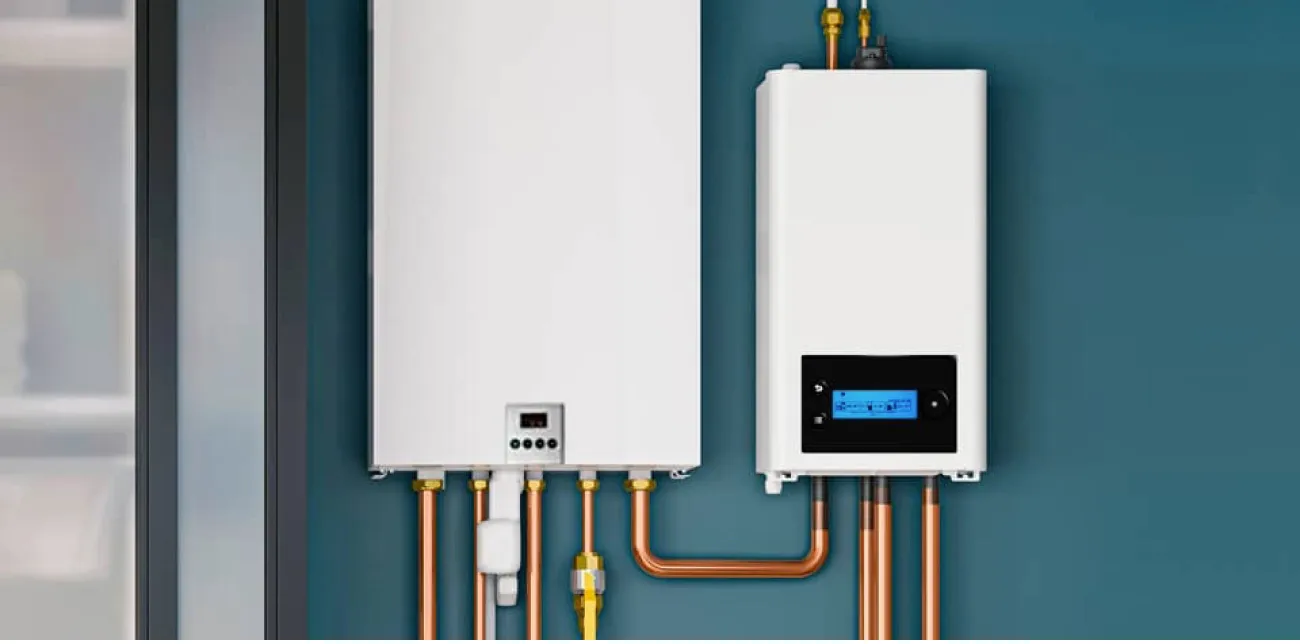
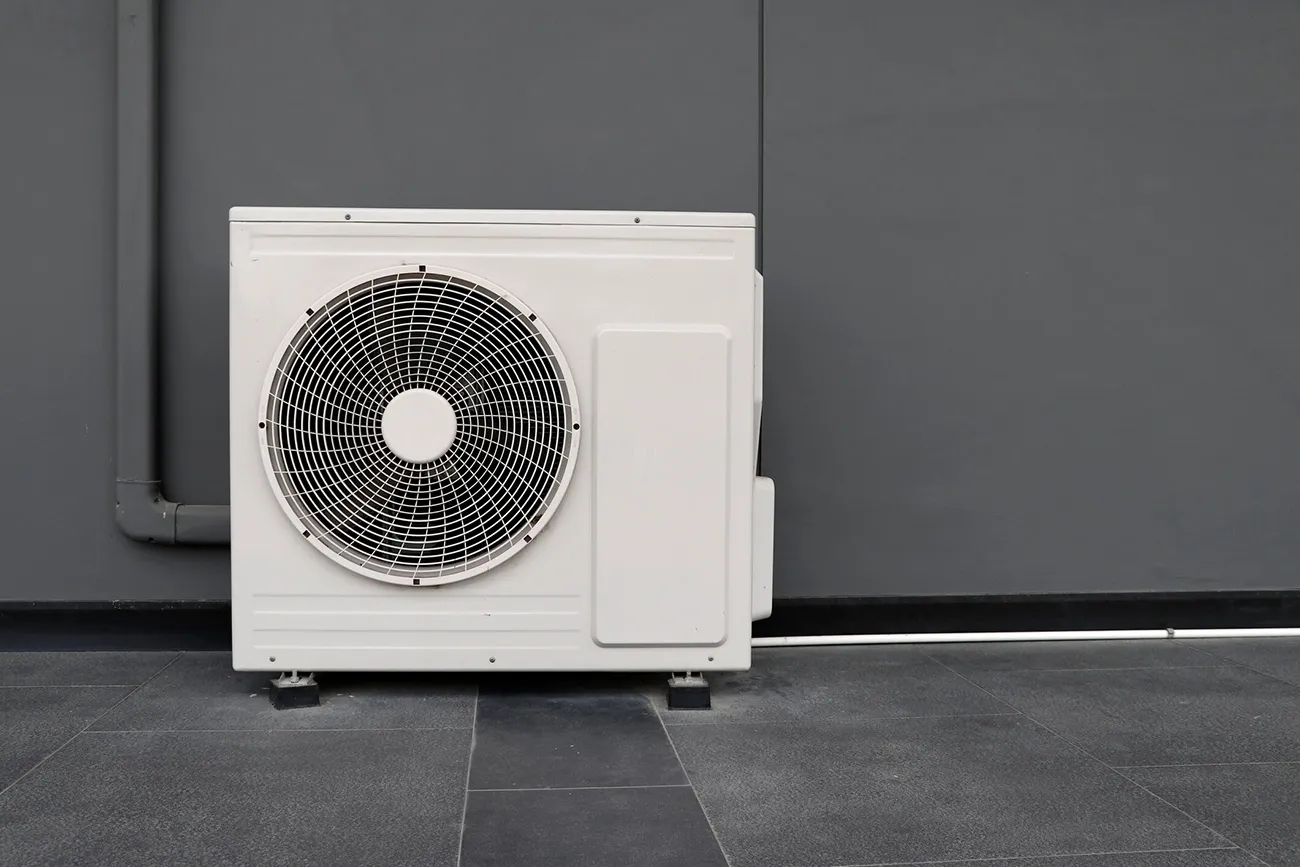
Turning to a fossil fuel in combination with a renewable technology is an obvious and affordable solution. But which energy source should you choose if there is no mains gas connection? Alongside electric and hybrid heat pumps, there is also the gas heat pump. A gas heat pump provides heating and domestic hot water, just like a conventional air-to-water or ground-source heat pump. The only difference is that this system runs on gas rather than electricity, so there is no need to install solar panels to offset its electricity consumption. This gas heat pump can also run on propane. The propane is not burned, but acts as a medium that absorbs heat from the air or ground and transfers it to the heating water. A gas heat pump can easily achieve high water temperatures of up to 60 to 65°C, even when it is freezing outside. For this reason, such a system is an interesting option when renovating existing homes with high-temperature heating appliances. It is also an attractive solution for new-build homes, as a gas heat pump can be connected to underfloor heating. Combining a (propane) gas condensing boiler with an electric heat pump prepares you for the energy transition. You use free renewable energy with your heat pump, while the condensing gas boiler only switches on when it makes sense to do so. This means you can always heat your home affordably and sustainably.
Propane and biopropane
Primagaz has specialised in propane gas for more than 60 years and supplies gas cylinders and tanks to both households and businesses. A propane network can provide a solution for new residential areas or developments that are not connected to the mains gas network. “Propane is a clean energy source. Emissions of CO2 and particulate matter during combustion are very low, and it is better for air quality. After combustion, propane produces 16 per cent less CO2 than heating oil. Anyone looking to reduce their environmental footprint easily can choose biopropane. This 100 per cent sustainable alternative is ready for the future,” says Guido Tupitti, sales manager at Primagaz.
Question about this story? Ask your question
Keep following this
Get an email when a new story is published. No account needed.
- ThemeFossil-free heating and cooling
- SubjectNews







