











New energy generators for roofs with limited load-bearing capacity
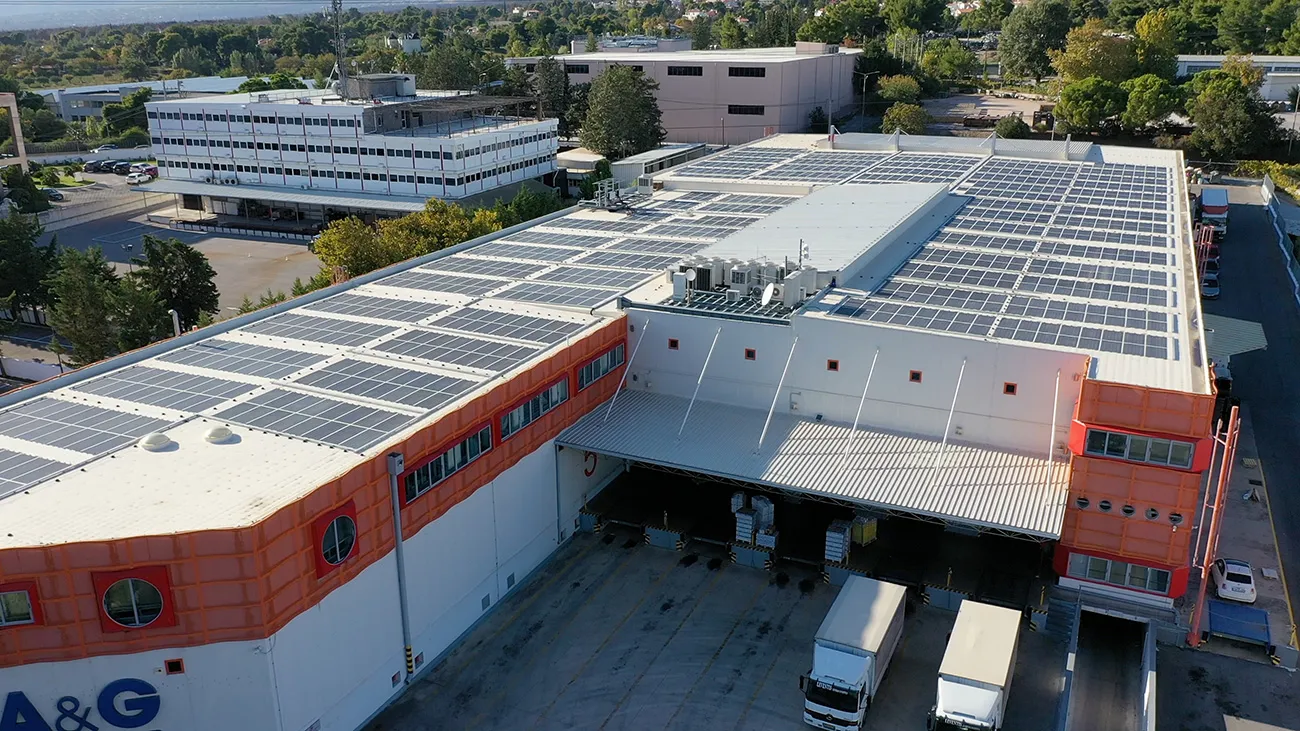
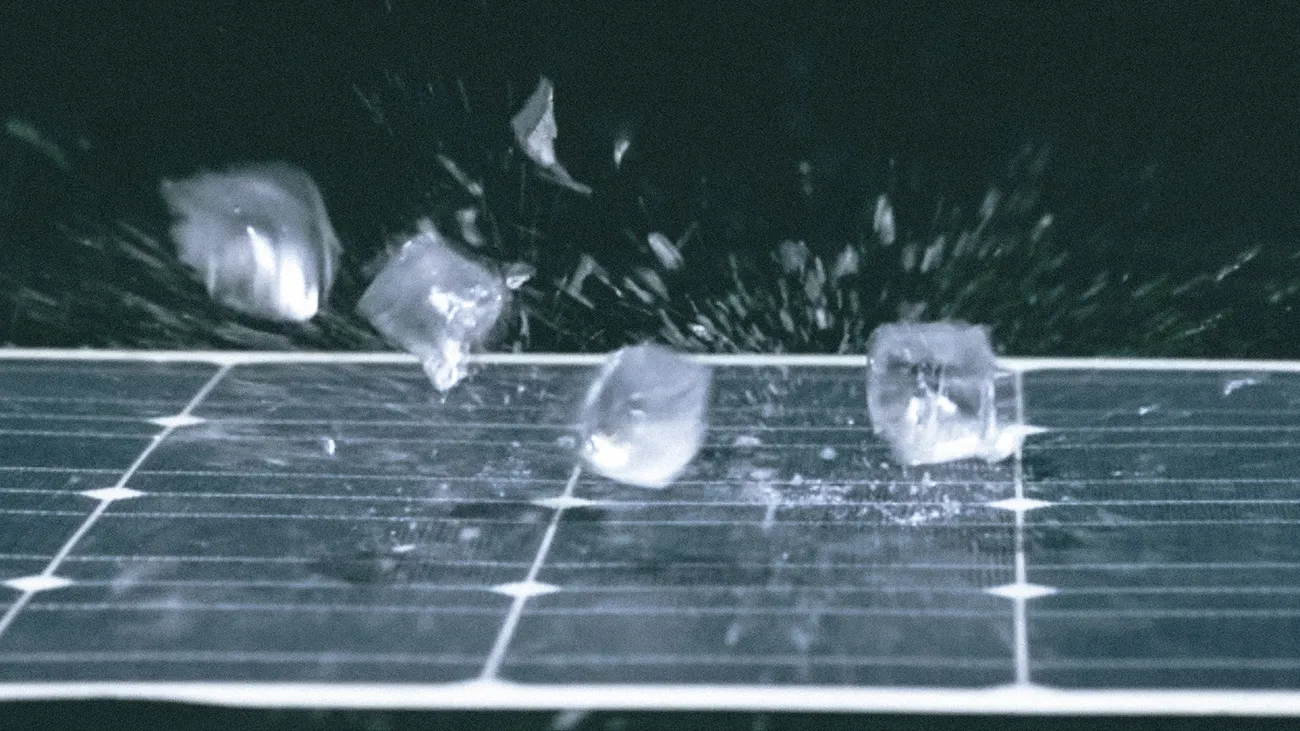
The ‘FLEXI Panel’ solar panels add a new dimension of ‘flexibility’ to ENGELS project’s range of PV panels. These innovative flexible solar panels offer a solution for roofs with a (very) limited load-bearing capacity, or for flat roofs where appearance is a key consideration. FLEXI panels are also bendable, flexible, aesthetically pleasing, extremely weather-resistant and easy to install.
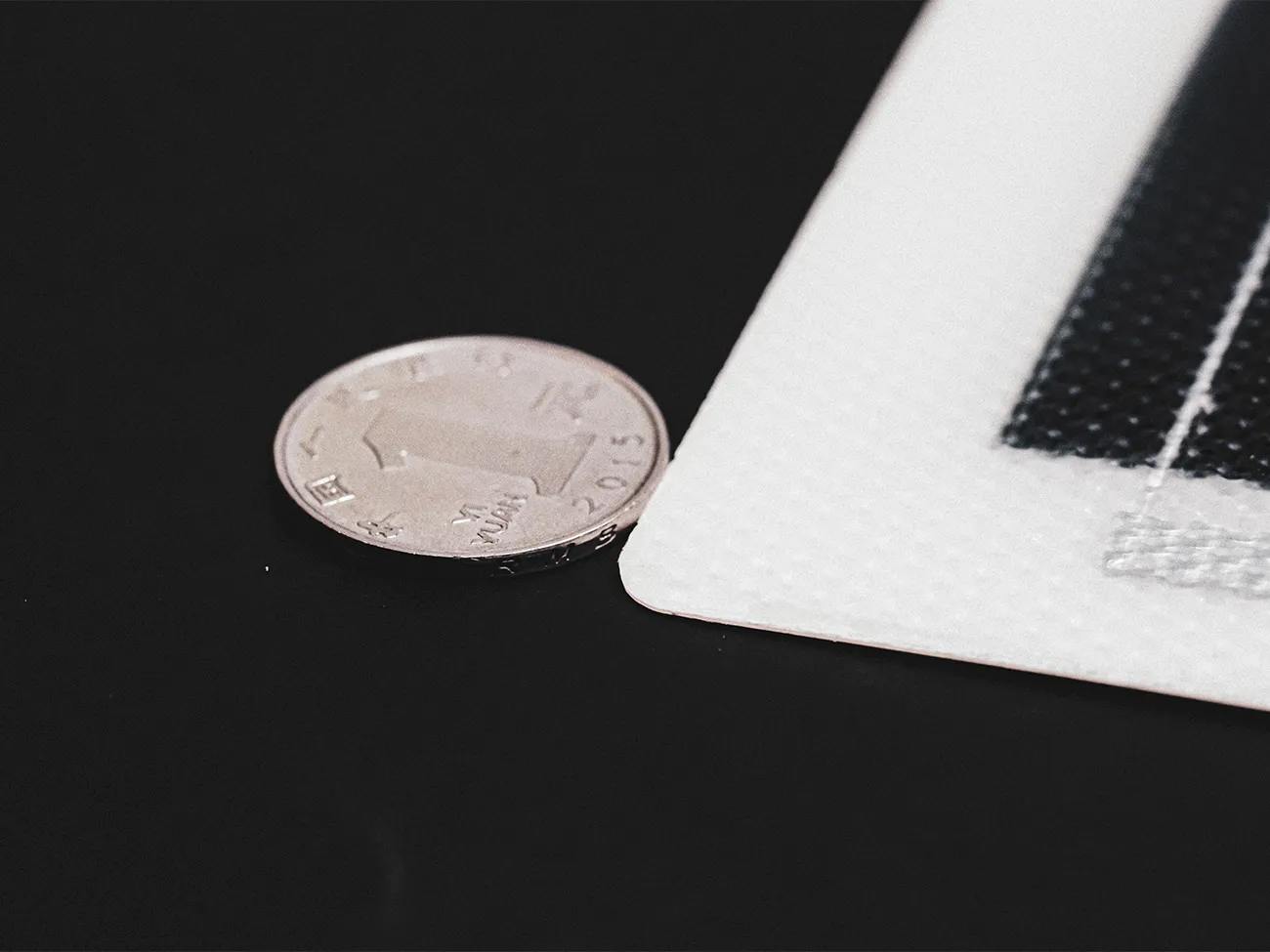
What makes FLEXI panels unique is their exceptionally low weight: “A conventional solar panel weighs around 20 kilograms. FLEXI Panel weighs just 2.4 kilograms per square metre. The panels are also only 2 millimetres thick,” says Dirk Van Kerkhoven, Business Developer at Thermo Comfort.
Seven polymer layers
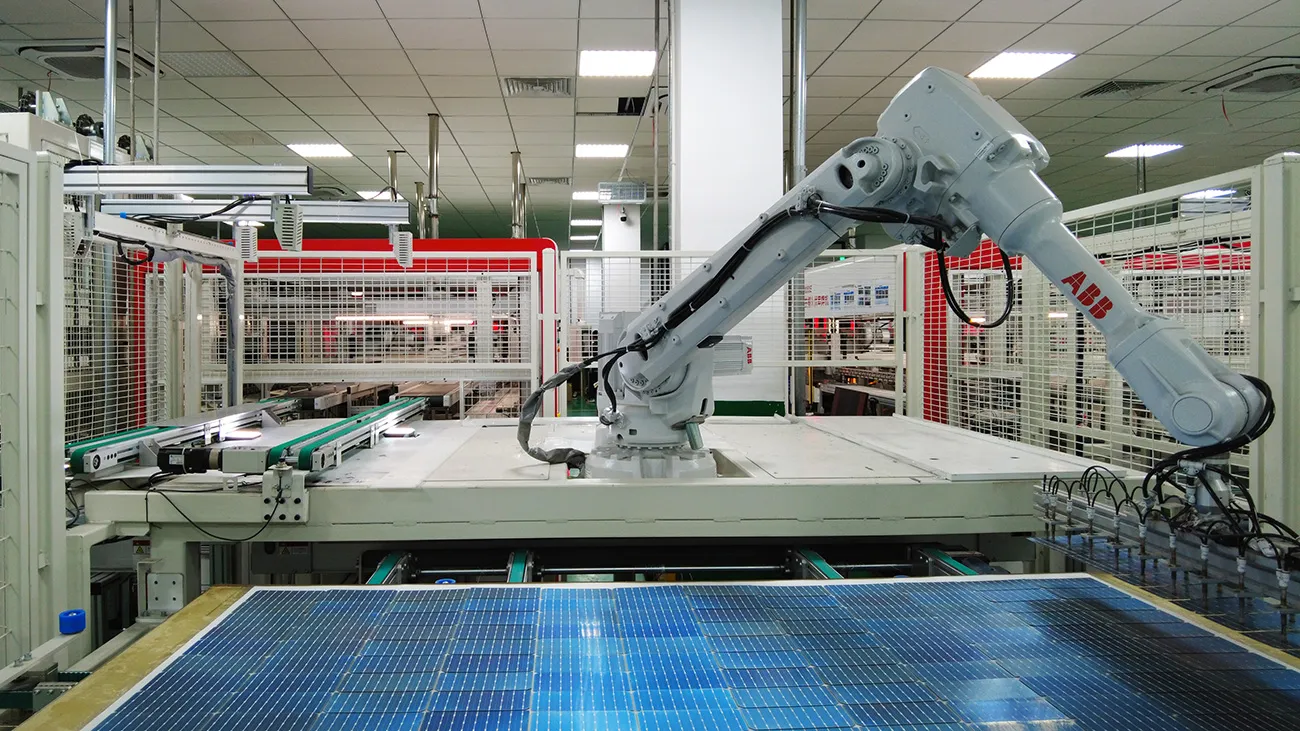
The difference lies in how the panels are constructed. “A conventional panel consists of silicon cells, known as solar cells. The structure resembles a greenhouse, comprising an aluminium frame and a glass sheet. Lightweight panels are built differently. They use the same silicon cells, but these are encapsulated in seven polymer layers, specifically polymers based on glass fibre. This construction weighs considerably less than the combination of a glass sheet and an aluminium frame.” FLEXI panels also have the advantage of accumulating less heat because they contain no glass.
ENGELS therefore offers a solution for roofs that until now could not support a (conventional) PV installation. “This mainly applies to roofs with limited load-bearing capacity, particularly flat roofs. A study has shown that around 28 per cent of roofs in the Benelux cannot support conventional PV panels,” Van Kerkhoven continues. “This issue is particularly common in industrial or older buildings. FLEXI Panel offers a solution in these situations and opens up an entirely new market.”
FLEXI panels are connected electrically in exactly the same way as conventional solar panels. No other cables, connectors or inverters are required. However, installation is different, Van Kerkhoven explains: “Conventional panels are mechanically fixed using bolts, nuts, clamps and rails. FLEXI panels, on the other hand, are bonded in place. It is crucial to know in advance what type of roof covering or substrate the panels will be installed on. The right adhesive must be selected accordingly to ensure sufficient adhesion. Customers can also obtain the adhesive from ENGELS. We offer a choice of seventy different types.”
Flexible installation
“FLEXI panels can be installed closer together, with a gap of 1 centimetre, because there is no need for a substructure or, on flat roofs, ballast with spacing between the panels. This means that more FLEXI panels than conventional solar panels can be installed on the same area,” adds engineer Van Kerkhoven.
Question about this story? Ask your question
Companies in this story
Keep following this
Get an email when a new story is published. No account needed.
- SubjectNews
- CompanyThermo Comfort







