











New BBRI Technical Note clarifies how to keep water quality under control when replacing a boiler
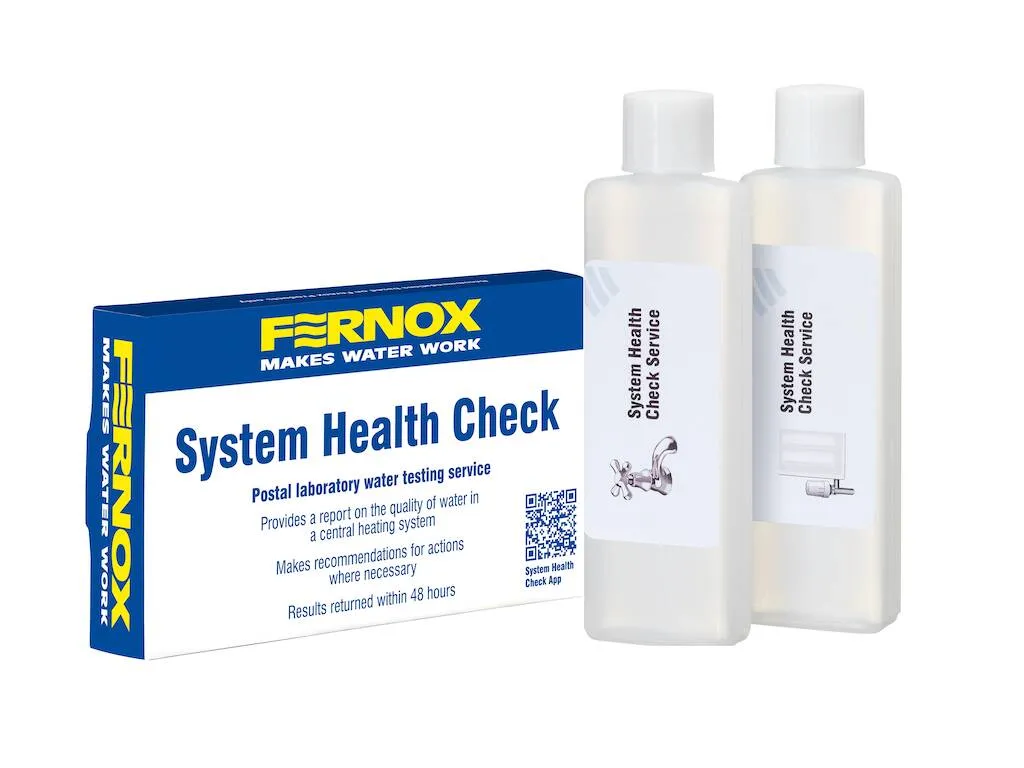
Many problems with heating systems are caused by poor water quality. A new Technical Note from the BBRI aims to prevent problems by taking a different approach to water treatment: ‘The key change we want to bring about is to take a proactive approach rather than treating problems as they arise.’ When a system was replaced in Zonnebeke, the principles set out in the new guidance were already put into practice, and the system was fitted with a Fernox magnetic filter.
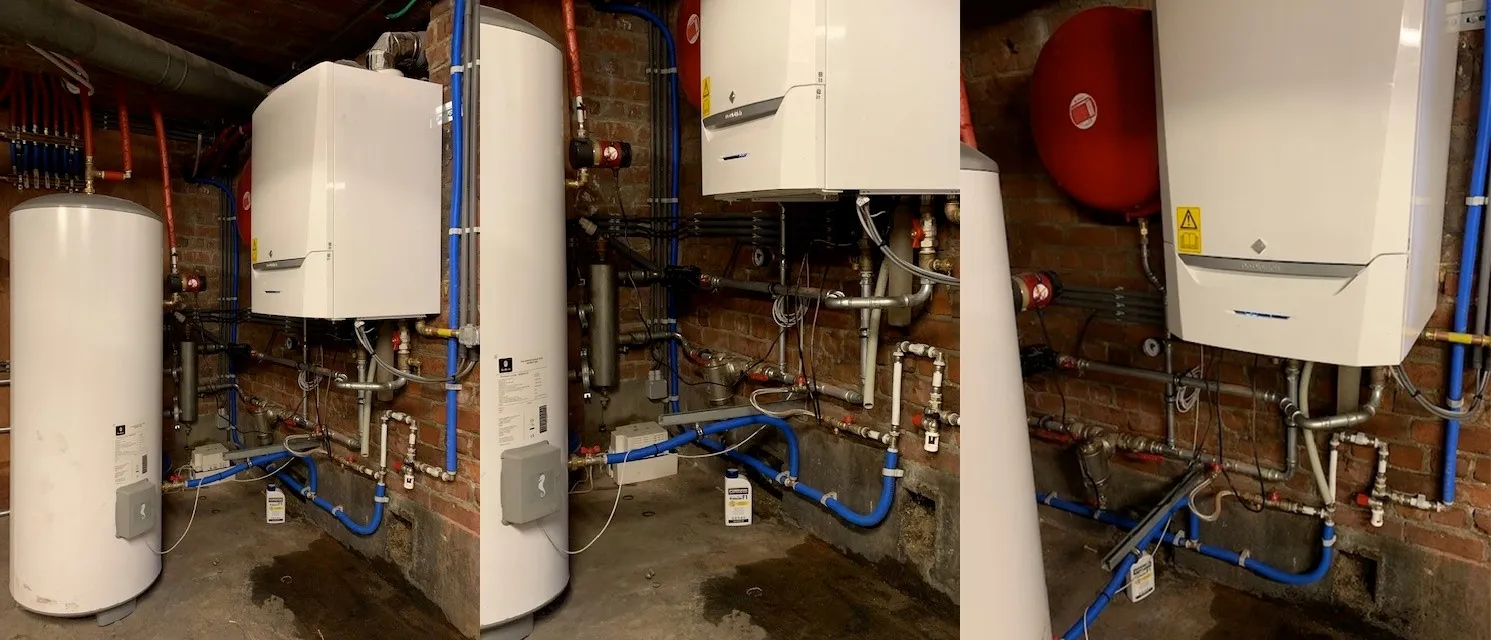
The heating system in a house next to a brickworks in Zonnebeke was due for a major upgrade. The old boiler was replaced with a new De Dietrich central heating boiler, the Elidens PGC 65 kW. “It’s a unit that is often used in renovation projects, particularly when the boiler has to be installed in the basement, where it is not always possible to fit a wall-hung boiler,” says Nick Hellin, Product Manager De Dietrich at Van Marcke. As well as the boiler, some of the existing radiators and pipework were replaced, but several cast-iron radiators were retained for their rustic character. In this situation, extra attention needs to be paid to the quality of the heating water, says Yves Desplenter, Sales Director at Fernox. “Old cast-iron radiators very often contain deposits caused by oxidation in the system. This leads to magnetite sludge and can cause corrosion.” Hellin agrees: “In renovation projects like this one, it is always advisable to clean the system and replace the water.”
New Technical Note
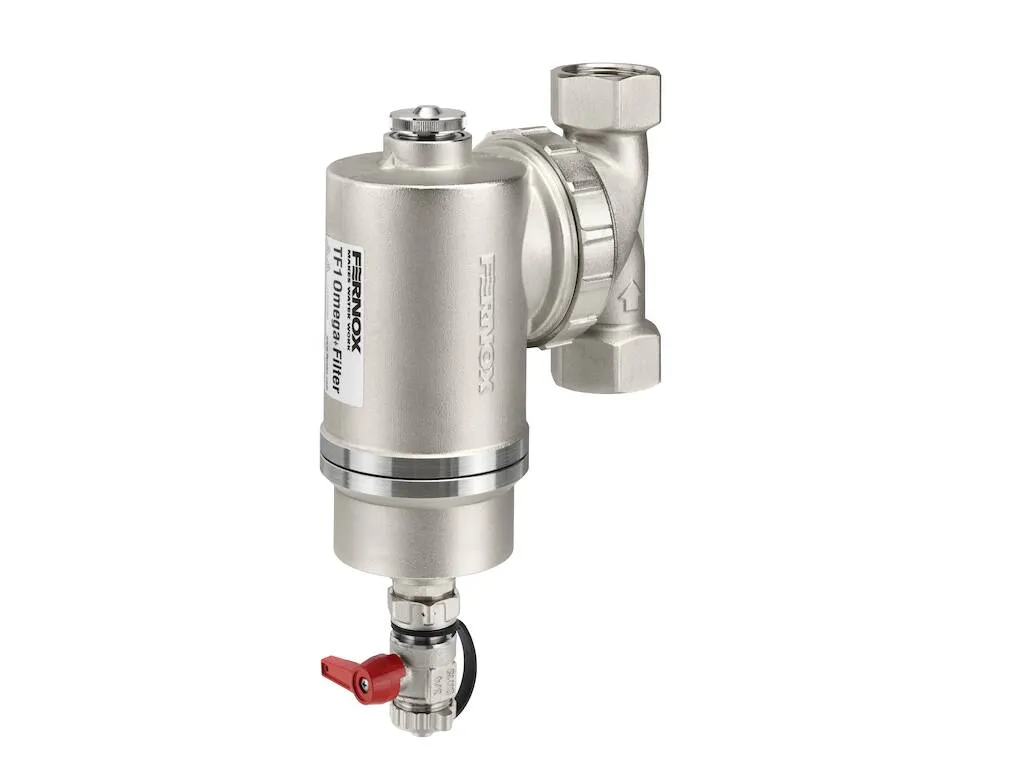
A substantial document from the Belgian Building Research Institute (BBRI) offers guidance: the new Technical Note 278 sets out recommendations for preventing deposits and corrosion in hot-water heating systems. “A working group, which also included Fernox, spent no less than seven years working on this document,” Desplenter explains. The Technical Note requires water quality to be measured and any necessary action to be taken accordingly. The document has resolved several points of contention between boiler manufacturers. “In the past, there was sometimes disagreement about which aspect of water quality should take priority, or what limit values should be set. This Technical Note brings clarity to the debate,” says Desplenter. “It’s good to see practical solutions being put forward. As a manufacturer, we were keen to see this,” says Nick Hellin. The Technical Note also covers the replacement of a heat generator, which was relevant to the project in Zonnebeke. Desplenter explains: “First and foremost, it is vital to assess the water quality in the existing components: are there deposits or signs of corrosion? That was the case in this project. A solution was therefore needed, because this kind of contamination can cause problems in the new boiler.” The system was therefore fitted with a Fernox magnetic filter, the TF1 Omega Filter 1 ¼”. This removes residual contamination from the system. “Flushing the radiators with water would never have been enough, as some of the contamination would always have remained,” says Desplenter. Fernox FC1 Inhibitor was also added to the system, in line with the BBRI guidance and the boiler manufacturer’s instructions. Desplenter explains: “Our aim is to stop the corrosion processes and direct the existing contamination into the magnetic filter.” With expert support, installer Brecht Rambour from Ieper was able to complete the project successfully. The installer also benefited from excellent cooperation with Van Marcke Technisch in Ieper.
Anticipating potential problems
Fernox wants to familiarise installers with the recommendations in the Technical Note. “It is a starting point for the training courses we run with Van Marcke College,” says Desplenter. “Following the guidance helps installers avoid mistakes and anticipate potential problems. This project demonstrated that: we did not wait for problems to arise in the system, but took the necessary steps proactively to ensure water quality at start-up and keep it at an optimal level.” In addition, water quality must be monitored at all times, including after the system has been installed. “At start-up, using mains water is sufficient in residential systems, but aftercare is important. Over time, the water’s pH level will change as a result of how the system is used. You therefore need to check the water after a while and adjust it if necessary. This check can be carried out alongside the boiler’s mandatory maintenance,” Hellin adds.
Een zakelijke vraag aan Fernox? Get in touch
Companies in this story
Keep following this
Get an email when a new story is published. No account needed.
- SubjectNews
- CompanyFernox
- CompanyVan Marcke NV







