











Logistics optimisation: Sustainable transport from Thailand to Belgium via inland waterways
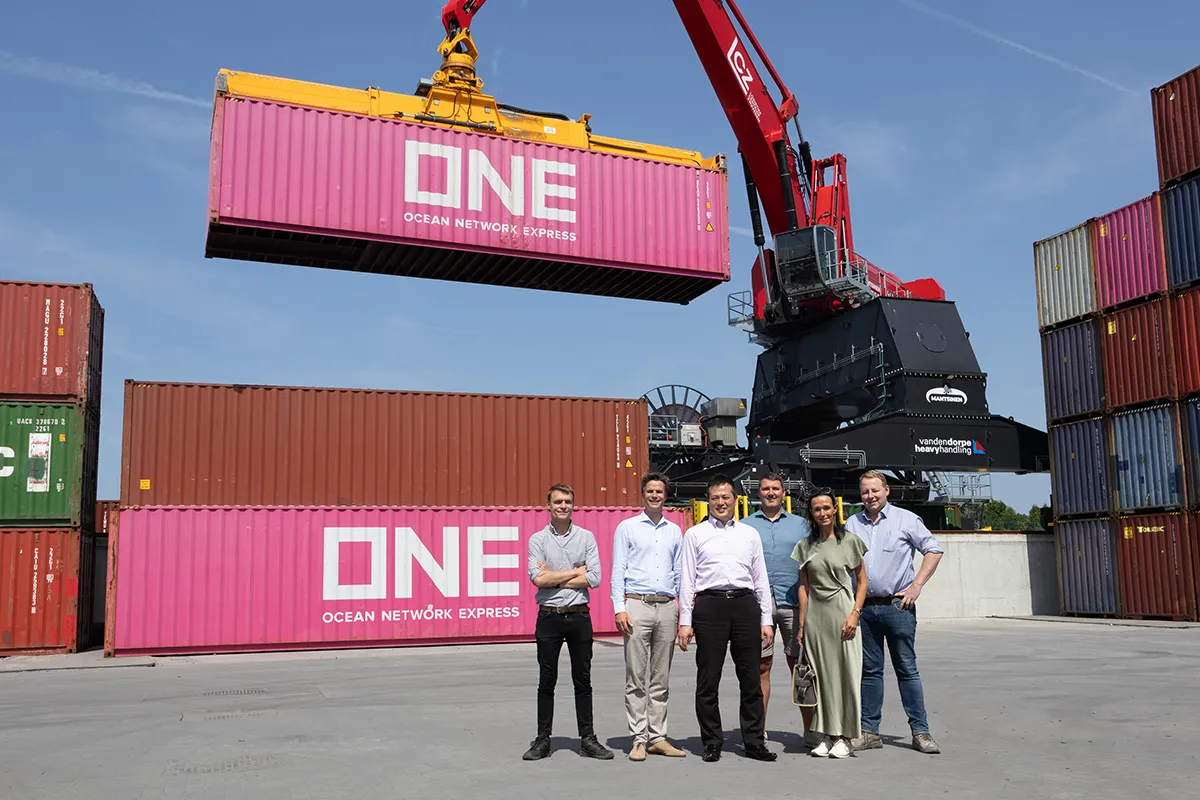
Linum Europe, a leading distributor of accessories for air conditioning and heat pump systems, has announced a significant optimisation of one of its logistics processes. From now on, part of its annual import flow of at least 70 40ft containers from Thailand, filled with refrigeration pipes, will be transported via inland waterways. This marks an important step in making its transport chain more sustainable and significantly reduces the company’s environmental footprint.
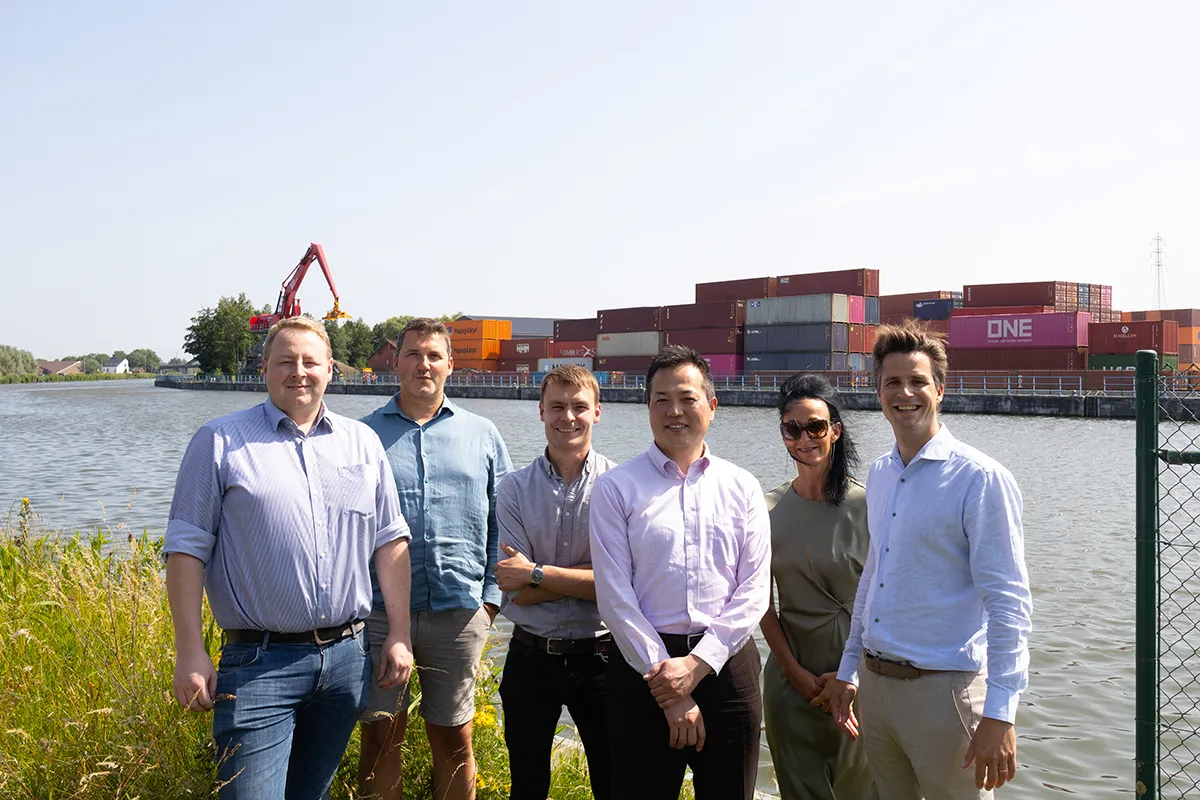
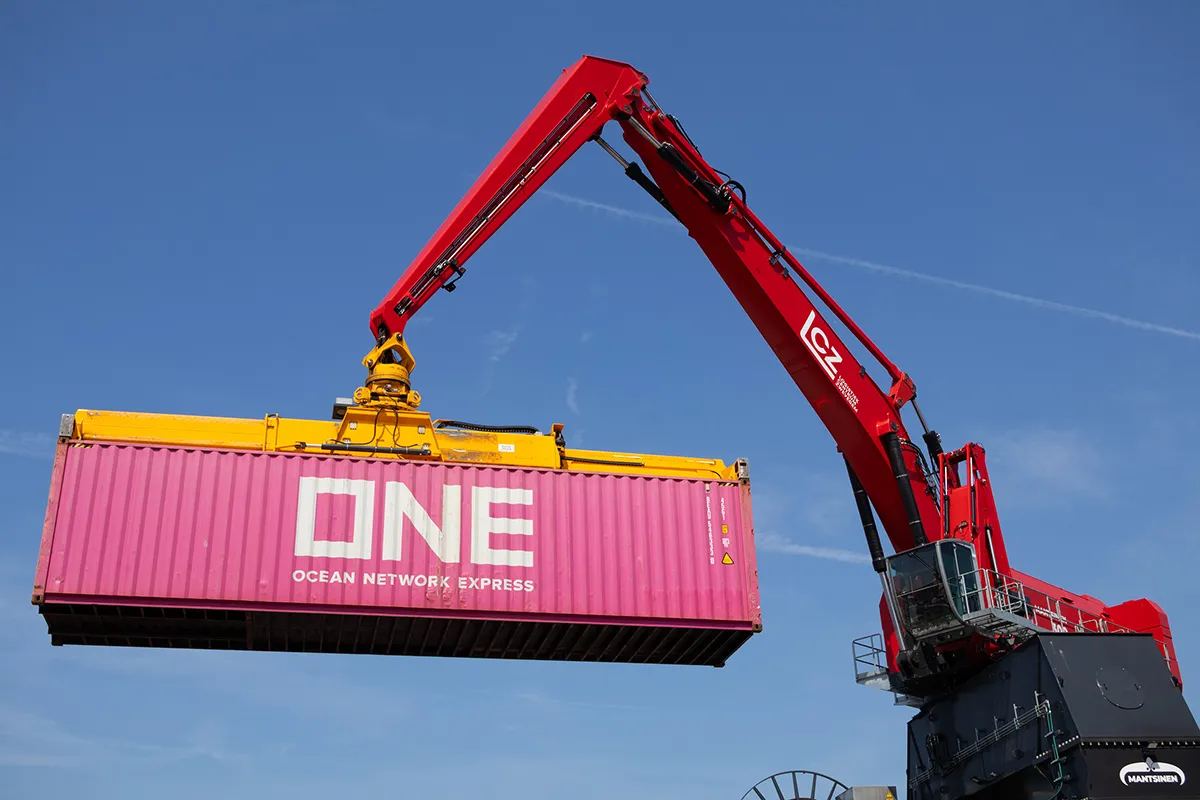
Until now, the containers arrived via the Port of Antwerp and were then transported by lorry to the warehouses in Kuurne. This involved a one-way journey of 117.7 kilometres, amounting to a total of 16,478 kilometres of road transport per year. Following a study by Multimodaal. Vlaanderen, a business unit of VIL vzw, with support from POM West-Vlaanderen, the route has been optimised by using inland waterways. The containers will now be transported via the deep-sea terminal in Antwerp to the LCZ logistics centre in Zwevegem, followed by a lorry journey of just 13.4 kilometres to Kuurne once they have been unloaded.
Sustainable and efficient
This modal shift not only has a major impact on reducing the number of kilometres travelled by road, from 16,478 km to just 1,876 km, but also leads to a substantial reduction in CO2 emissions. Annual CO2 emissions are cut by 65%, from 22,458 tonnes to 7,883 tonnes. This directly contributes to more sustainable transport and supports Linum Europe’s broader strategy to reduce its environmental impact.
Jan Vanderbeke, CEO of Linum Europe, explains: “For us, this logistics optimisation is not just a strategic move to improve efficiency, but also an important step towards sustainability. By using inland waterways for imports from Asia, we can not only significantly reduce CO2 emissions, but also contribute to a cleaner and more sustainable transport network. We are proud to take our environmental responsibility seriously and continue to seek innovative solutions for a more sustainable future.”
Improving the logistics flow
The new solution offers significant benefits for the logistics flow of the products. By combining transport via inland waterways with road transport for the final part of the journey, the company can improve delivery speed while also easing pressure on road traffic. This not only benefits the organisation’s efficiency, but also helps reduce congestion and the burden on infrastructure.
Ilse Verdonck, Multimodal Transport Expert at VIL, explains: “The collaboration with Multimodaal. Vlaanderen and Pom West-Vlaanderen, together with our expertise in multimodal transport, has enabled Linum Europe to make this transition smoothly and successfully. The study provided valuable insights that form the basis for optimising its supply chain, from transport through to reducing lorry waiting times at the loading bay.”
Future sustainability goals
Linum Europe remains committed to making its logistics processes more sustainable. The move to multimodal transport is just one step in its broader strategy to reduce CO2 emissions and further shrink its environmental footprint. The company continues to work on innovative solutions to minimise the environmental impact of its activities.
Een zakelijke vraag aan Linumgroup / Prihoda? Get in touch
Companies in this story

Keep following this
Get an email when a new story is published. No account needed.
- SubjectNews
- CompanyLinumgroup / Prihoda







