











Lighting that’s good for animals: the monkey enclosure at Antwerp Zoo
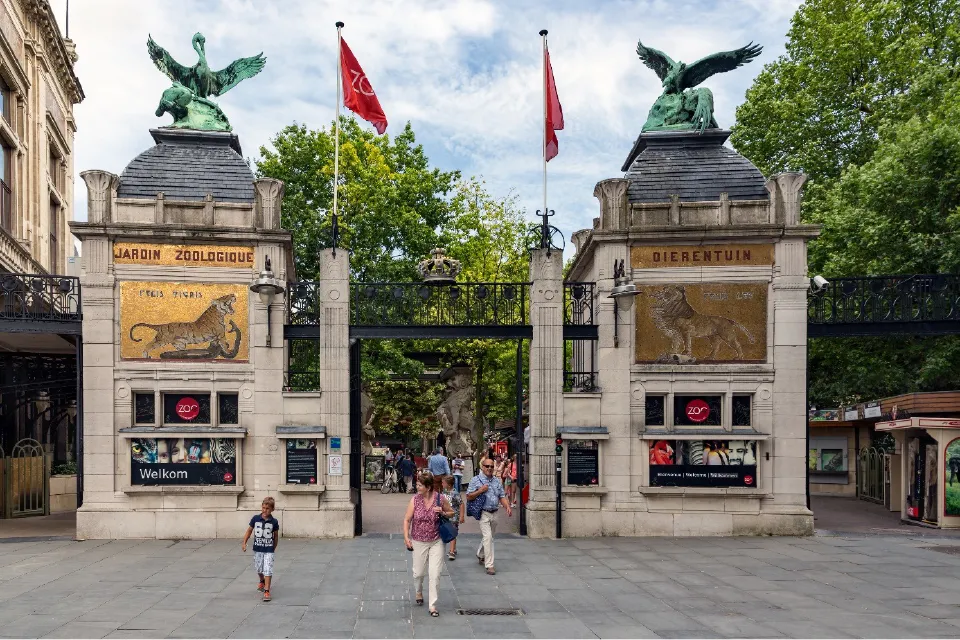
Antwerp Zoo is Belgium’s oldest zoo. Situated in the centre of Antwerp, it is a green oasis in the big city. More than 5,000 animals live on the zoo grounds. The small primate house, with 18 habitats, is home to various species of monkey, including spider monkeys, mandrills and owl-faced monkeys. As part of its modernisation, ZOO Antwerpen is now using Human Centric Lighting and B.E.G.’s automatic lighting control system.

Wellbeing indoors: the origins of Human Centric Lighting
The importance of light to humans has been studied in greater depth in recent years. It was only in 2002 that researchers discovered photoreceptors in the retina that are not responsible for vision. These specialised ganglion cells register ambient brightness and regulate biological processes in the body, such as the pupillary reflex and hormone production.
We are consciously aware of just how much light boosts our wellbeing at the start of each spring: as the days grow brighter, we feel more active, are in a better mood and are generally more focused than during the dark winter months. Among other things, light regulates the “body clock”, a complex system that coordinates and synchronises all bodily functions over a 24-hour cycle. Too little light during the day can shift the body clock or make sleep and wake periods less distinct. Both have a negative effect on the chronobiological rhythm and can harm health. In indoor spaces, light colour and intensity can be optimised with HCL.
How Human Centric Lighting becomes Monkey Centric Lighting
Human Centric Lighting, or HCL for short, is the name given to technology designed to support the wellbeing of people using a space. Biologically effective lighting is adapted to the user’s circadian rhythm. It should provide meaningful support for natural periods of activity and rest throughout the day. Animals and plants can also benefit from biologically effective lighting. It is already used in this way in agriculture. As it is monkeys that benefit from HCL at Antwerp Zoo, B.E.G. has named this unusual and exciting project “Monkey Centric Lighting”.
The Belgian zoo specified that the lighting should be adapted to the monkeys’ daily routine. Daylight also had to be taken into account alongside the brightness of the artificial lighting, helping to save energy efficiently.
B.E.G. presence detectors now regularly measure light levels in the monkey house and adjust the artificial lighting accordingly to achieve the desired illuminance.
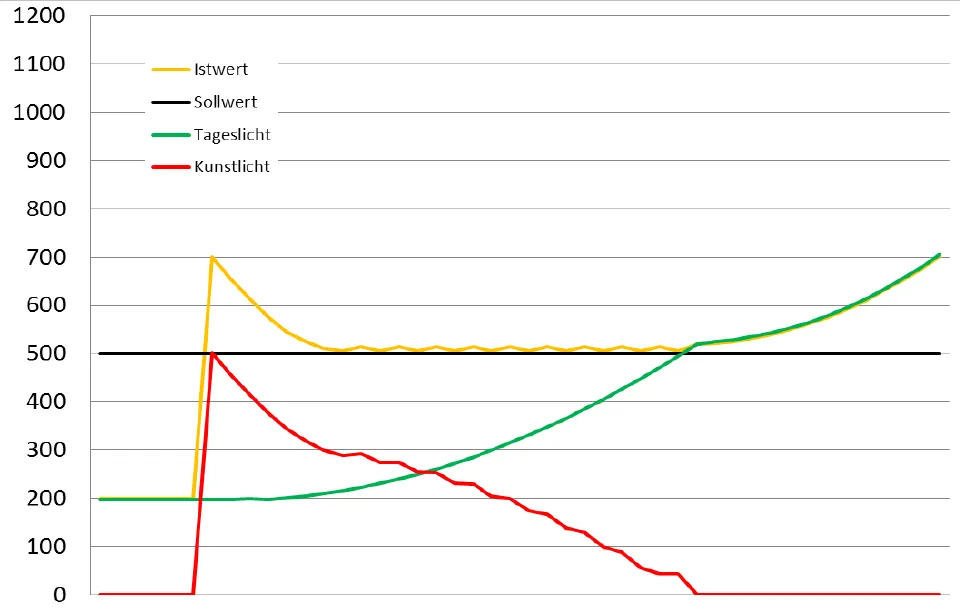
The colour temperature of the new luminaires, 3000 Kelvin, is not to be changed. At 3000 Kelvin, the light is a bright warm white, which is perceived as very homely. At the same time, it is bright enough to give visitors a good view of the habitat. The desired day-night rhythm is therefore achieved solely through the corresponding illuminance levels.
B.E.G. always provides bespoke planning and implementation in close coordination with the planners and contractors. The functions requested by the zoo were implemented using the B.E.G. DALI-SYS lighting control system. DALI-SYS is a modular, networked and scalable lighting management system. Distributed intelligence provides a high level of operational reliability. Various functions, such as guided lighting and HCL, are integrated into DALI-SYS. As a rule, DALI-SYS can be used to select a preset lighting curve, for example for offices, schools or industry, or to create custom lighting curves. Several tests in the monkey enclosure helped the B.E.G. system integrator develop a lighting curve that is optimal for the animals.
How Monkey Centric Lighting was implemented in Antwerp
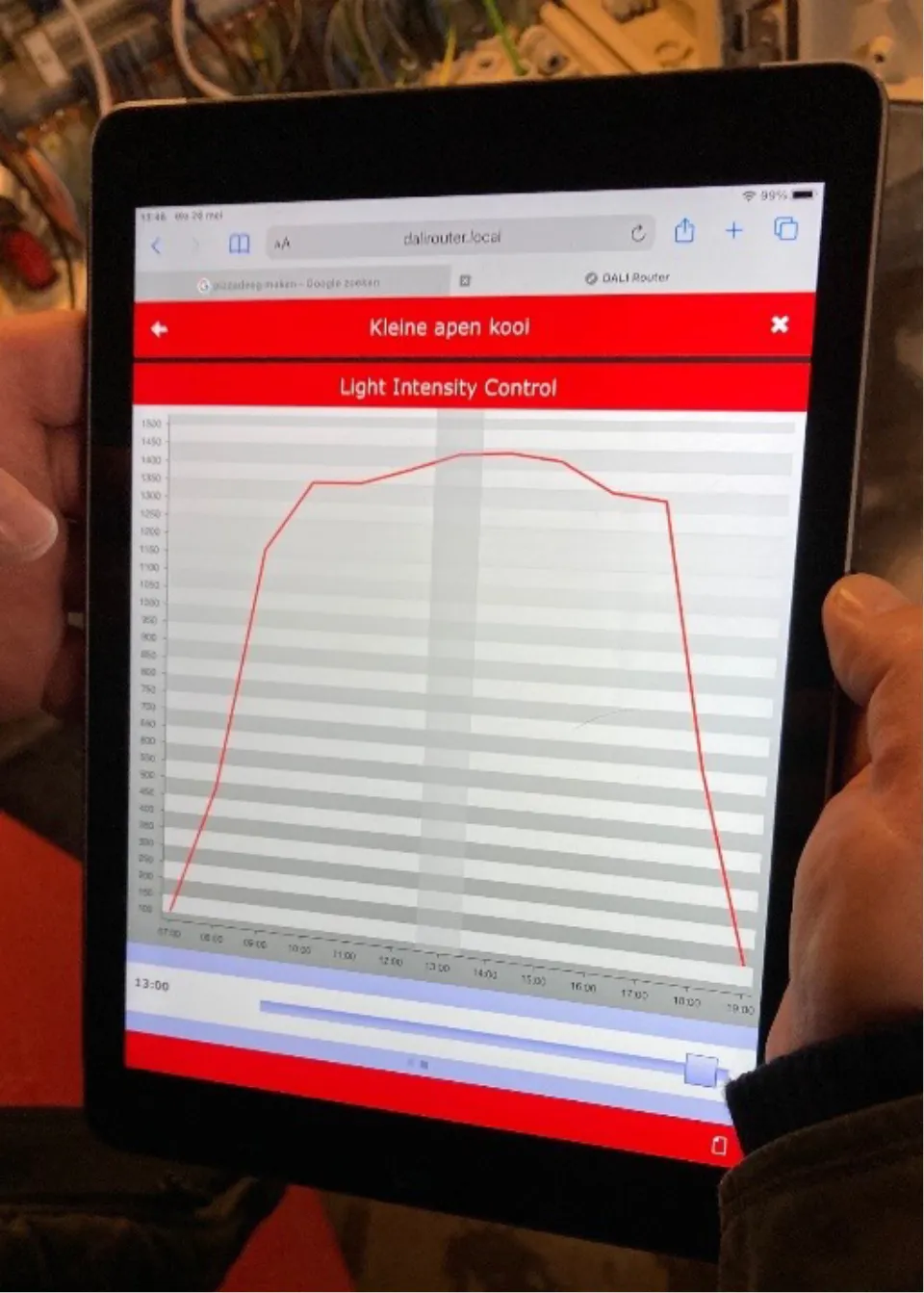
As shown in figure 4, dusk is simulated between 7 and 9 in the morning and between 17 and 19 in the evening. The light reaches its brightest level at midday, with a maximum of 1450 lux. A timer and a DALI SYS push-button module switch the lighting on at 06.45 in the morning and off at 19.15 in the evening. The lock function is used for this. At 19.15, the DALI-SYS multisensor (the presence detector in the DALI-SYS system) receives a “lock” signal via the push-button module. The detector is locked, the sensor’s automatic function is deactivated and, at the same time, a final command is sent to the DALI luminaires. In this case, the lighting goes to 0 %. At 06.45 the following morning, an “Unlock” signal is sent, reactivating the automatic function.
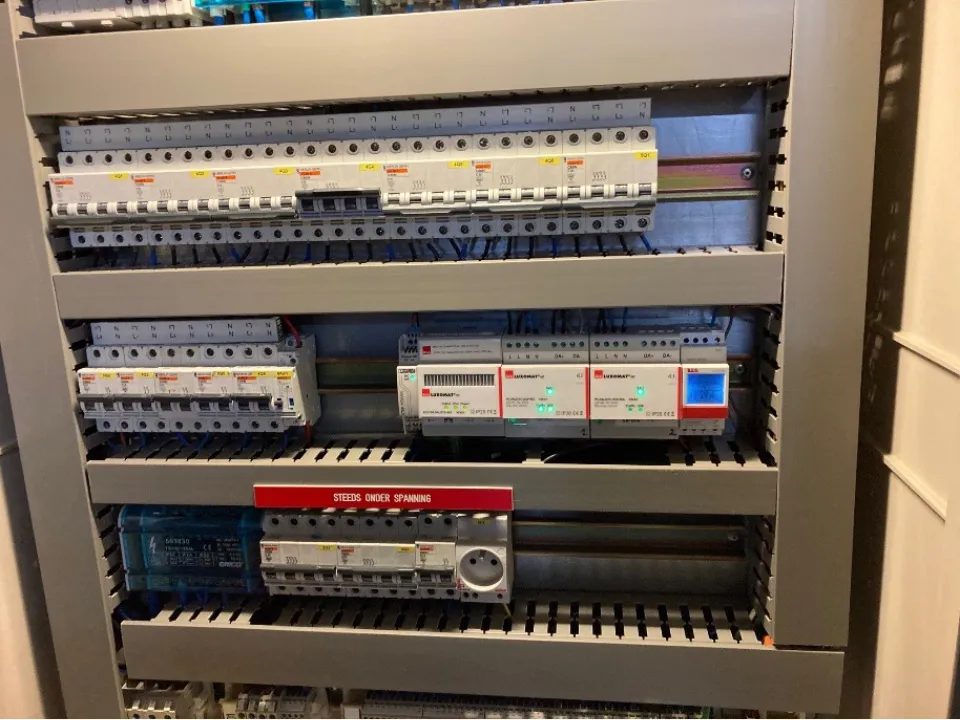
The luminaires in the small primate enclosure were mounted between the bars and the rooflights, while multisensors were installed on both the left and right sides of the enclosure. There is no direct sunlight here that could distort the light readings. The multisensors were used solely as daylight sensors to measure light levels.
Two push-button modules were also installed, one for the left side of the enclosure and one for the right, to switch the lighting on or off manually as required. DALI-SYS push-button modules can be used with commercially available switches.
The following components were installed in the monkey enclosure:
- 2 x PD4N-DALI-SYS + AP connection
- 3 x PBM-DALI-SYS-4W
- 2 x PS-DALI-SYS-USB-REG
- 1 x ROUTER-DALI-SYS-REG
- 1 x VPN remote hardware
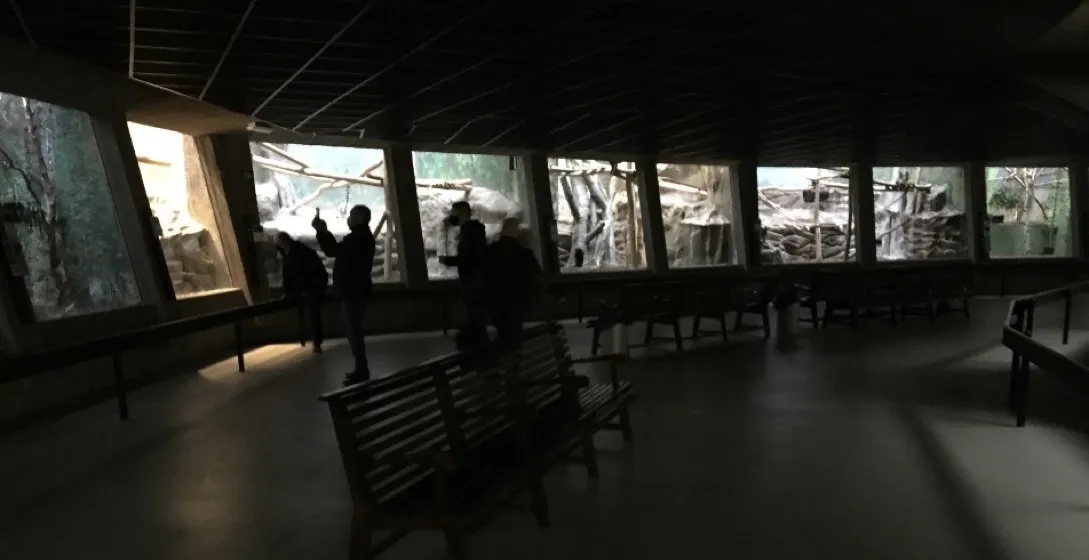
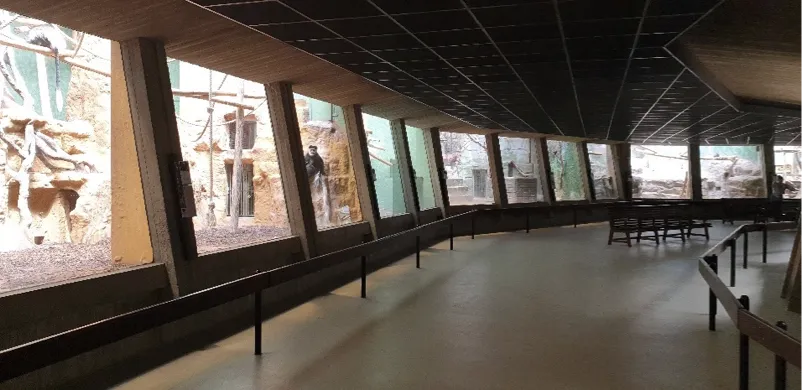
The before-and-after comparison speaks for itself. Following the modernisation, the lighting in the covered areas looks much more natural. The visitor area is brighter. Optimal lighting conditions have been created for both the animals and the zoo’s visitors.
Author: Agathe Jumpertz (Technical Sales and Project Management)
Question about this story? Ask your question
Who worked on it
Kleinapengebouw in Antwerpen
- lichtsturingssysteemB.E.G.
Keep following this
Get an email when a new story is published. No account needed.
- ProjectKleinapengebouw
- SubjectNews
- CompanyB.E.G.







