











Hydrogen, the future of emergency power supply
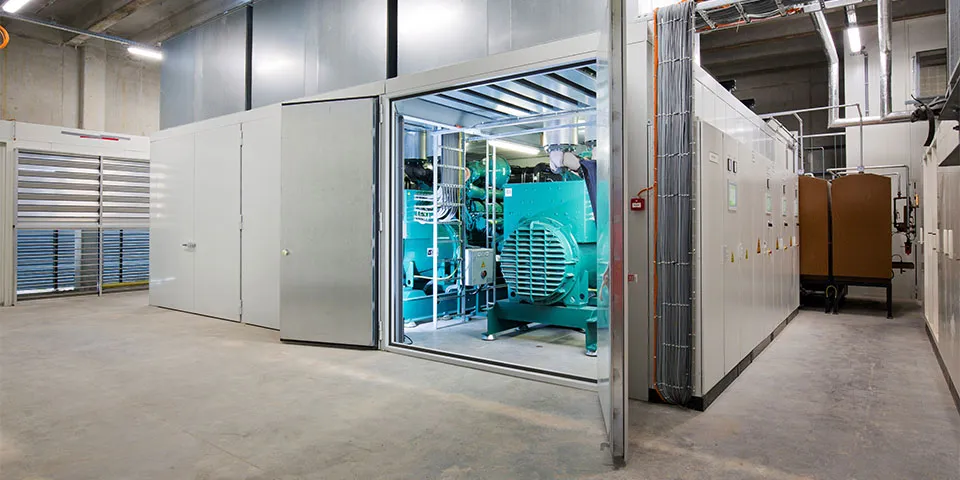
The energy transition we are undergoing is bringing uncertainty over electricity supplies, making emergency power systems more important than ever. To this day, when we think of an emergency power generator (EPG), we undoubtedly think of a diesel generator. But does the diesel engine still have a future as we move towards the energy transition? Specialist E. Van Wingen is convinced that emergency power systems can also make the switch to hydrogen with ease. This is a development and a vision that fit with the principles of the circular economy, which E. Van Wingen has been committed to since 2014 as a certified CSR company.
Diesel is no longer popular. Storage tanks have a major impact on environmental permits, and regular inspections are no fun. The addition of a renewable component to the fuel causes bacteria to form in the fuel tanks, leading to technical problems with the engines. Additional filter systems are required. In short, anyone needing emergency power these days faces plenty of headaches and a hefty bill.
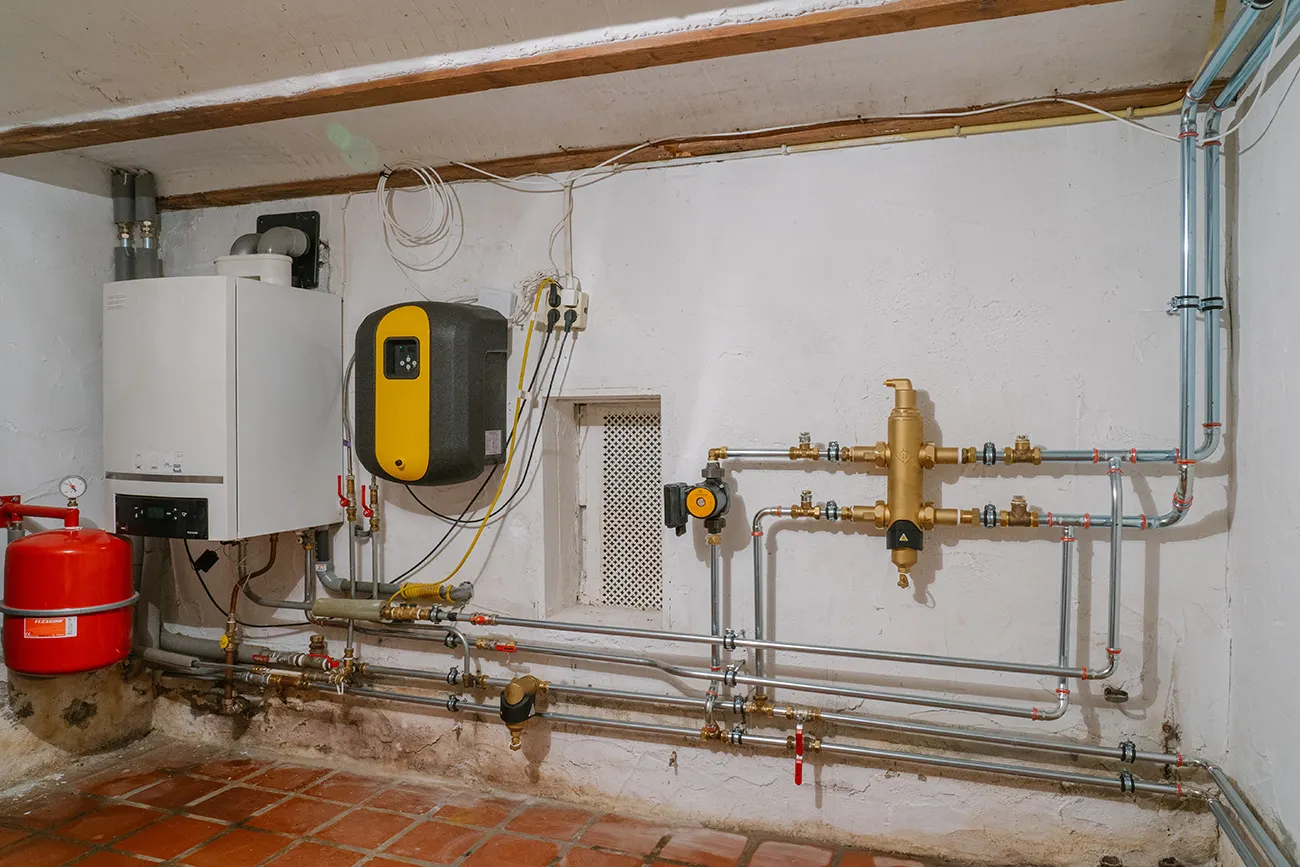
Since 2011, E. Van Wingen has been investing in innovative developments such as energy storage and autonomous local networks.
Hydrogen
Until recently, the only alternative was to use natural gas. Hydrogen is now also available as an energy carrier for storing renewable electricity. A cylinder filled with hydrogen is essentially a simple battery in which we store energy for use when it is needed. There is no simpler way to store energy than as gas in a cylinder. The storage technology is therefore very simple and, unlike an electrochemical process such as that used in batteries, is not subject to ageing.
A major advantage is that the density of the stored energy is much higher than in batteries. Hydrogen cylinders also take up less space. Like batteries, they can be filled with energy from renewable sources, such as surplus solar and wind power. The stored energy is converted into electricity on demand without CO2 emissions. This also makes the emergency power system much more sustainable.
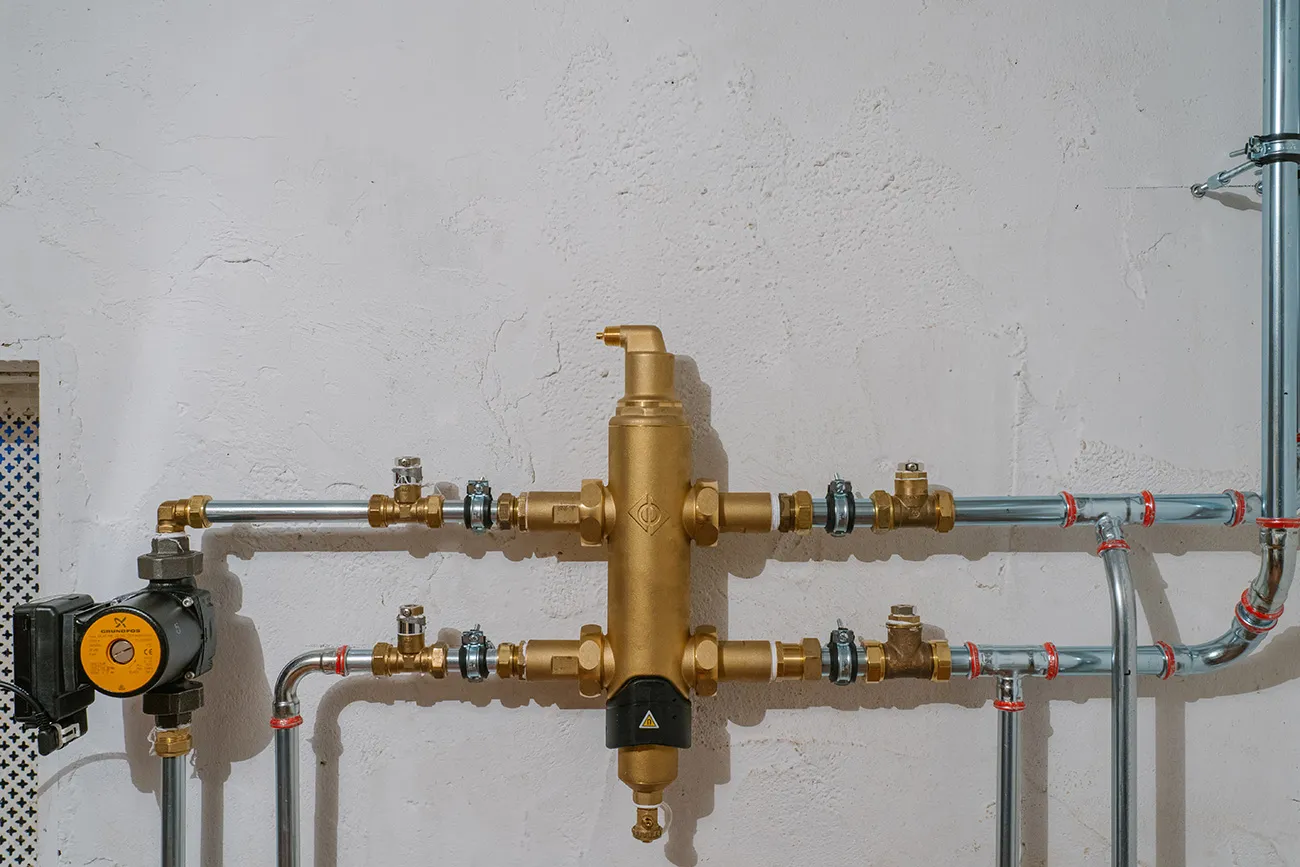
Specialist E. Van Wingen is convinced that emergency power systems can also make the switch to hydrogen with ease.
A major shift
E. Van Wingen supplied the emergency power systems at the new NATO headquarters in Brussels and is involved in the ongoing expansion work at Schiphol Airport. EVW is also present throughout other sectors, including healthcare facilities, petrochemicals and telecoms. EVW is convinced that new technological developments will bring about a major shift in the choice of technology for emergency power systems, giving the energy transition a significant boost.
Investing in exhaust gas filters for large diesel emergency generators is money down the drain, according to EVW. The money not spent on filters would be better invested in a solution with 0 g CO2 emissions. It is therefore better to start reducing emissions by gradually generating more and more of the emergency power supplied using hydrogen.
“We have now been building on the concept of the hydrogen ICE supplied to us by UGent in 2015 for 5 years. Our first long-duration test, lasting more than 4000 operating hours, immediately confirmed our expectations,” says J-P Van Wingen, General Manager. Since 2011, E. Van Wingen has been investing in innovative developments such as energy storage and autonomous local networks. This puts the company in a pioneering role in Europe.
A long-term partnership
Technological innovation is naturally a major strength, but EVW also stands out for its long-term approach to maintenance. EVW never considers a project complete once it has been handed over, but remains a long-term partner. EVW therefore offers tailored solutions that ensure the user’s emergency power system performs reliably, while providing the client with continuity of support and a guaranteed cost of ownership over a period of 30 years.
Question about this story? Ask your question
Keep following this
Get an email when a new story is published. No account needed.
- SubjectNews







