











How to ensure your heating water complies with VDI 2035
Text Lieke van Zuilekom en SpirotechImage Spirotech
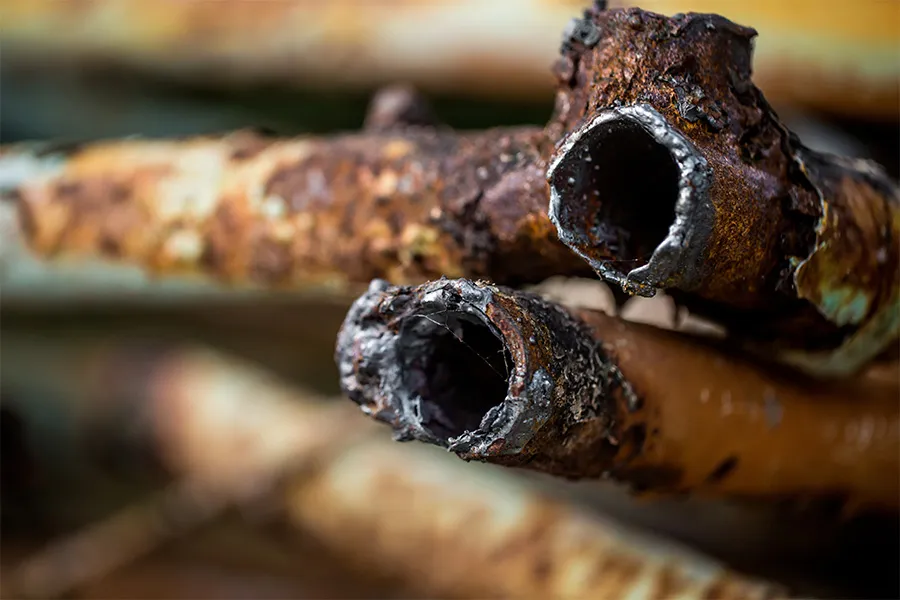
Today’s energy-efficient heating systems require good system water quality. Small, compact heat exchangers are more sensitive to hardness, while efficient pumps and valves are more sensitive to dirt. Aluminium alloys require the correct pH value, and modern installation materials call for a different approach to corrosion protection, ideally without chemicals.
VDI 2035 is a guideline for the design, installation, filling and maintenance of heating systems (<100°C) in buildings, excluding systems that use antifreeze agents such as glycol. The recommendations in VDI 2035 relate not only to water quality, but also focus on preventing two main causes of damage: limescale deposits and water-side corrosion.
Preventing limescale deposits
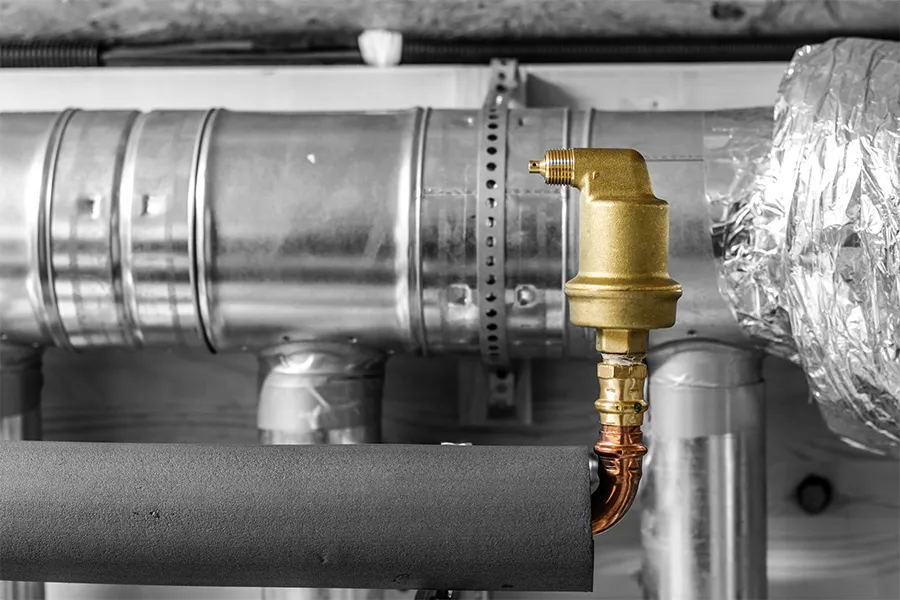
Limescale deposits reduce heat transfer, resulting in lower heat output, higher energy costs and, in extreme cases, damage caused by overheating and stress cracks in heat exchangers. Limescale deposits mainly form in the part of the heating system with the highest temperatures: the boiler heat exchanger. To reduce water hardness and prevent limescale deposits, the fill and make-up water must be softened or demineralised.
Preventing corrosion
Water hardness mainly affects the risk of deposits. Corrosion is also a very important factor and the main cause of faults and damage in heating systems. Key parameters affecting corrosion in heating water are conductivity, pH value, oxygen content, gas bubbles and pockets, and microbiology.
Conductivity
Electrical conductivity is not, in itself, an indicator of the corrosion risk of heating water. However, low conductivity can reduce the likelihood of metal corrosion. At first glance, it may seem confusing that VDI 2035 recommends two different operating modes: low-salt and saline. However, provided it is certain that no oxygen enters the system during operation, higher water conductivity is acceptable. The use of chemicals in a heating system also increases conductivity, but does not necessarily increase the risk of corrosion.
In the following situations, a low-salt approach using demineralised water may be the better solution:
- Oxygen ingress: in modern heating systems, oxygen diffusion can rarely be prevented entirely, for example because of plastic underfloor heating pipes or the extensive use of easy-to-install press fittings with numerous seals.
- Mixed installations: most installations comprise a mix of different metals, such as ferrous metals, stainless steel, copper, brass, aluminium, etc.
- Lower conductivity of the heating water reduces the risk of bimetallic corrosion.
- pH value and aluminium alloys: if the heating water is soft, the pH value can easily rise above 9.0 during operation, which can lead to increased corrosion of aluminium alloys. VDI 2035 therefore recommends that water in installations containing aluminium should not be softened, but demineralised.
Even the smallest magnetite particles can cause faults in high-efficiency pumps and valves. Dirt particles can also cause erosion throughout the installation. Deposits in heat exchangers and radiators also reduce heat transfer, leading to higher energy consumption.
pH value
The pH value indicates the acidity or alkalinity of an aqueous solution. The corrosion risk at a given pH value depends on the metal used: for ferrous metals, an alkaline value above 8.0 is ideal for reducing the risk of corrosion, while a value below 9.0 is preferable for aluminium alloys. The recommended pH range is therefore a compromise. It is important to note that the pH recommendations apply to the heating water, not the fill or make-up water. Even if the pH value is below the guideline limits when the heating system is commissioned, it may rise during the first few weeks of operation (self-alkalisation). The pH should be measured 10 weeks after heating operation begins or after the last maintenance. If the pH value is slightly below 8 but the water sample is free of particles, no action is required. A pH value below 7.5 signals increased corrosivity. In this case, VDI recommends taking corrective action.
Oxygen
Although oxygen is the main cause of corrosion, the latest VDI 2035 does not specify guideline values for oxygen. Measuring the correct oxygen level requires special, particularly expensive in-line measurement equipment. In addition, the measured oxygen level is representative only of the point where the measurement is taken, not the entire system, because oxygen can react very quickly with metal surfaces. VDI 2035 therefore focuses on recommendations to reduce or prevent the continuous ingress of oxygen into the system (see table).
Gas bubbles and pockets
Gases can enter a heating system in several ways:
- Gases are dissolved in the fill and make-up water.
- Local underpressure due to insufficient pressurisation.
- Formation through chemical and/or microbiological reactions.
The main problem with gas or air bubbles is that they act as an insulator, reducing heat transfer, for example in radiators, or causing the boiler to overheat. At higher flow rates, they can also cause noise throughout the system or even cavitation and erosion. VDI 4708-2 covers air venting and degassing of heating systems in greater detail.
Microbiology
As heating systems have become more efficient and green heating technologies have been adopted, temperatures in heating systems have fallen significantly in recent years. Flow temperatures of 40°C and below are common, particularly when using a heat pump. These low temperatures can encourage microbiological growth in the system, resulting in biofilm formation. Biofilms can adversely affect heat transfer, leading to higher energy consumption. They can also cause localised corrosion, known as microbiologically influenced corrosion (MIC). You can prevent microbiological growth primarily by limiting the ‘food’ available to micro-organisms. This includes plastic pipes and certain types of corrosion inhibitor. If microbiological growth is already present, Spirotech recommends removing biofilms through disinfection with a biocide, combined with mechanical cleaning by air-water flushing.
Pressure maintenance
VDI 2035 clearly states that pressure maintenance can have a significant effect on corrosion in a heating system. Correctly designing pressure maintenance in an installation ensures positive pressure throughout the system and prevents uncontrolled oxygen ingress. A correctly designed pressure maintenance system also prevents regular water loss through the safety valve. This removes the need to top up with fresh, oxygen-rich water. VDI 4708-1 provides further information on pressure maintenance.
Chemical conditioning
According to VDI 2035, the use of chemicals should be limited to cases where all other measures have proved unsuccessful. Using chemicals requires expertise, knowledge and adequate monitoring equipment. Using too much or too little can do more harm than good. Potential interactions with the materials used in the installation must be considered, as must the interdependencies between different chemicals. Regular checks and follow-up measures must also be ensured. Common chemical treatments include hardness stabilisers, corrosion inhibitors, oxygen scavenging, electrochemical oxygen binding, alkalisation and antifreeze agents.
Spirotech offers a comprehensive range of products and services to help meet VDI 2035:
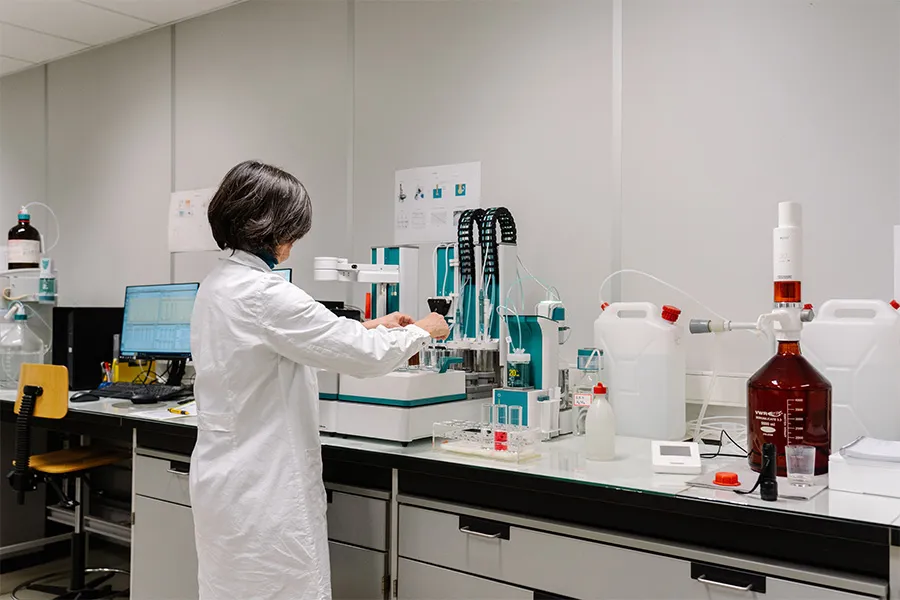
- SpiroCare: as a leading expert in system water quality, Spirotech and ProLab offer an easy-to-use water sampling and analysis service.
- SpiroPlus flushing agents and additives are designed to bring system water and the installation itself into top condition and keep them that way.
- SpiroExpand automatically monitors and controls pressure.
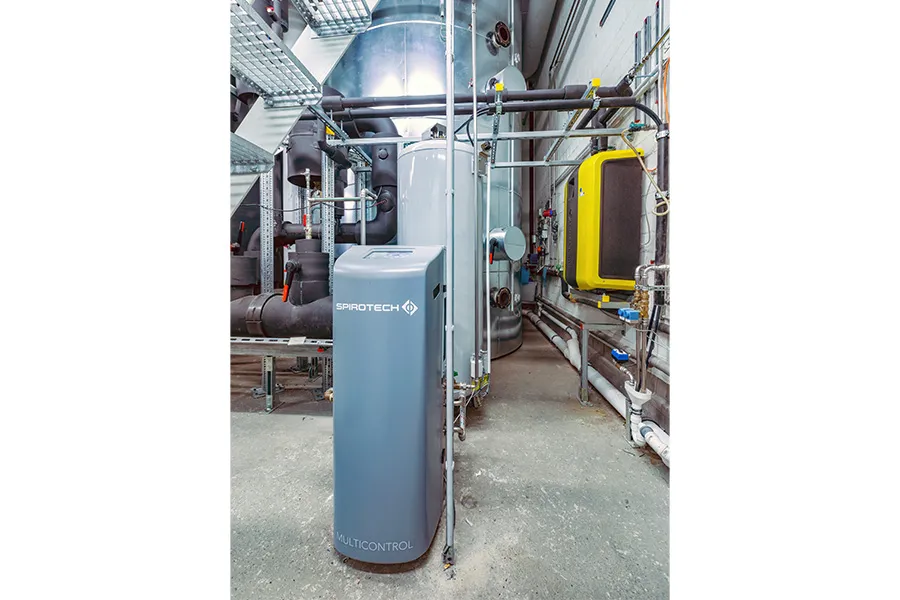
- SpiroPure filling and replenishment systems use a special resin that removes not only residual hardness and dissolved salts from the heating water, but also stabilises its pH value.
- SpiroTop automatic quick air vents rapidly and effectively remove free air and provide reliable ventilation when an installation is drained.
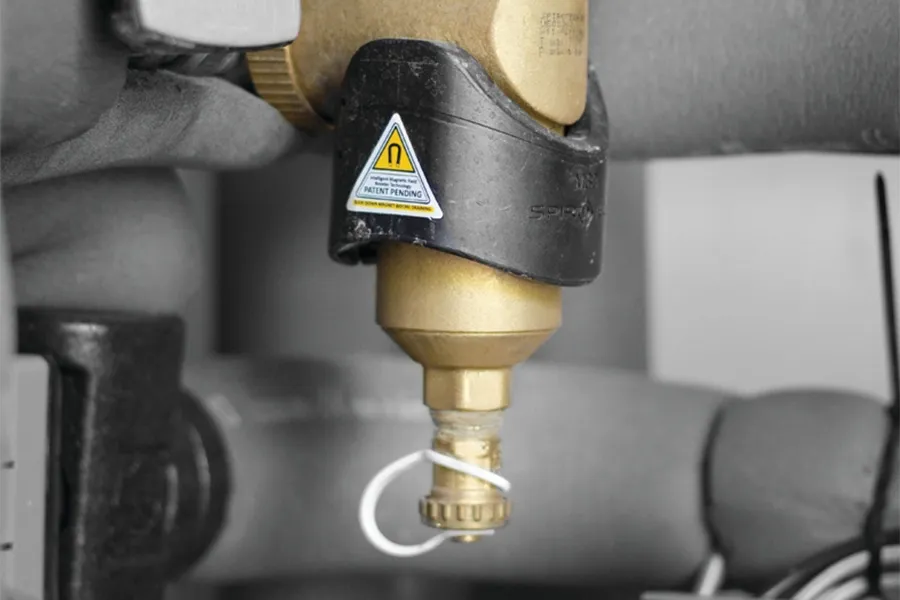
- SpiroTrap MB3/MBL/Magnet provides fast and efficient (magnetic) dirt separation and removal, which is essential for cost control and energy savings.
- SpiroVent microbubble air separators remove microbubbles and circulating air left behind by automatic air vents or after air vent valves have operated.
- SpiroVent Superior is a fully automatic vacuum degasser for heating, cooling and process systems.
About Spirotech
Spirotech makes heating and cooling systems more efficient. The family-owned company has more than 60 years’ experience developing solutions to remove and prevent the build-up of air and dirt in heating and cooling systems. Its products save energy, increase comfort, prevent wear and maximise operating life.
Een zakelijke vraag aan Spirotech België BVBA? Get in touch
Companies in this story
Keep following this
Get an email when a new story is published. No account needed.
- ThemeImproving building services performance
- SubjectNews
- CompanySpirotech België BVBA







