











Heating with gas: sustainable and future-proof

Gas is an ideal starting point for anyone planning to build or renovate. This fuel lets you match your heating requirements to your ambitions and budget, while enjoying every comfort. Meanwhile, green gas is advancing rapidly, and this sustainable variant of natural gas is an excellent complement to renewable energy sources.
Install Day stand number: 85
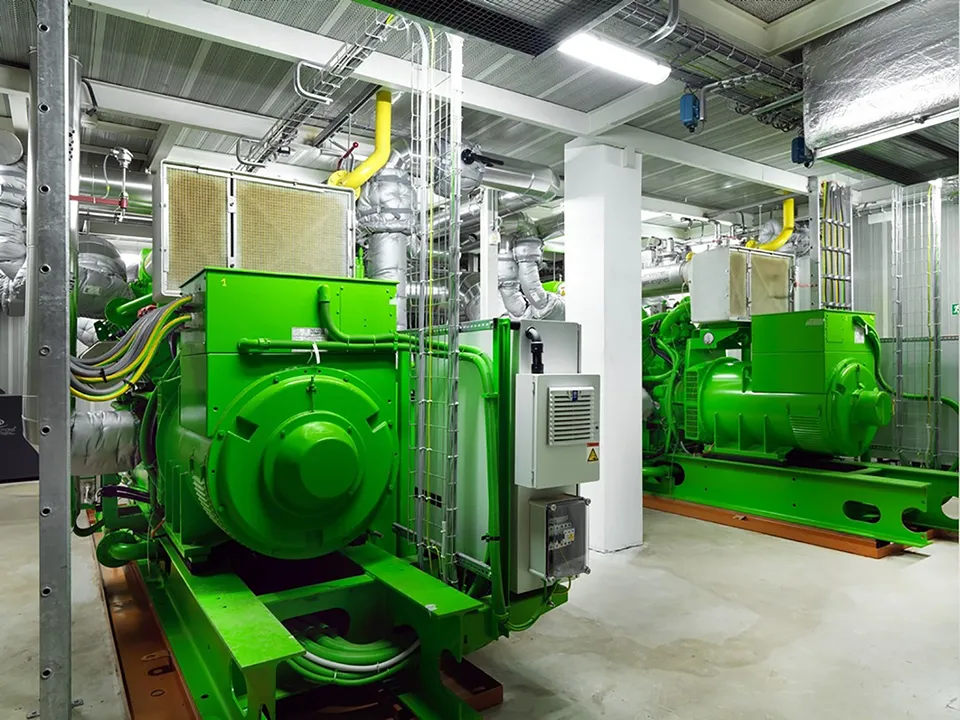
Gas heating comes in many forms, from the well-known gas condensing boiler to the gas heat pump and the fuel cell. There is always a suitable solution for your living situation. After all, an apartment, terraced house or detached house each has very different energy requirements and technical possibilities.
Versatile
In general, a gas condensing boiler is an ideal basic solution for any home or apartment. The wide range of outputs available in heating appliances means there is always a suitable solution, whether for an uninsulated home with high heating requirements or a passive house that needs very little heating. Condensing boilers are highly efficient and therefore consume little fuel.
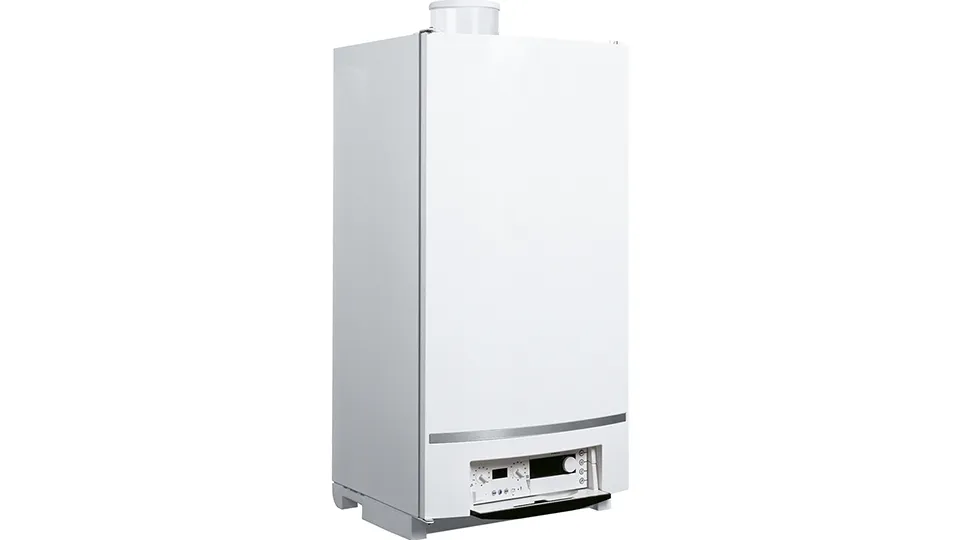
Gas absorption heat pumps are another option alongside condensing boilers. Instead of electricity, they use gas to generate heat. The gas burner operates with extremely high efficiency. “Another possibility is to use a hybrid system. In such a system, the existing gas condensing boiler is supplemented by, for example, an electric heat pump. At peak times, a gas condensing boiler supports the heat pump in producing hot water.”
Gas works very well in combination with renewable energy, such as solar energy: a solar water heater can provide up to half of your hot water free of charge, using energy from the sun. The solar collector on your roof, also known as a thermal solar panel, converts sunlight into heat, warming the fluid in the pipes. This fluid then heats the water in your hot water cylinder via a heat exchanger.
Generating electricity with gas
Would you like more from your heating system? A fuel cell and a (micro) combined heat and power unit generate electricity as well as heat. These appliances primarily produce electricity, albeit at a low output, but operate continuously and produce hot water. Fuel cells are still relatively new and are ideally suited to a well-insulated one- or two-family home. The fuel cell heating appliance meets the entire heating requirement and basic electricity needs, while taking up no more space than a fridge. Combining a gas condensing boiler with a fuel cell module reduces energy consumption by around 40 per cent compared with conventional gas condensing technology.
A (micro) combined heat and power unit, or CHP unit, is an alternative for apartment blocks or multi-occupancy homes with a shared hot water supply. CHP delivers high efficiency, reducing fuel consumption by 20 to 30 per cent.
Green is the new black
Green energy and green gas are more popular than ever in the energy sector. Green gas is the sustainable variant of natural gas, making it an important player in the energy transition.
We produce biogas from sludge, garden waste, fruit and vegetable waste, and animal manure. In sophisticated plants, this biomass is fermented or gasified. Bacteria convert the carbon into biogas. This gas is then purified into biomethane, which can simply be injected into the existing gas network. Another advantage of green gas is its stable supply. Animals continue to produce manure, and we continue to generate organic waste. This gives us the flexibility needed to make the use of sustainable energy sources possible.
By 2050, Europe aims to cut greenhouse gas emissions by up to 95 per cent. Our country still has a long way to go. Just 18 per cent of our energy comes from renewable sources such as solar or wind. By supplementing solar and wind energy with energy from green gas, we can ultimately move towards a fully sustainable energy system and a 100 per cent sustainable society.
Today’s gas condensing boilers are also fully prepared for a green future. They can heat perfectly well using the green gases available today and those of tomorrow.
Een zakelijke vraag aan Gas.be? Get in touch
Companies in this story

Keep following this
Get an email when a new story is published. No account needed.
- SubjectNews
- CompanyGas.be







