Installatie & Bouw Vlaanderen is part of Louwers Mediagroep: 45+ trade platforms in the Netherlands, Flanders and Wallonia. Trade magazines, websites, newsletters, video and podcasts, since 1987.
Heat pumps convert the free energy stored in the ground, water or air into heat for heating and domestic hot water in our buildings. They are the most efficient renewable energy technology for both new-build and renovation projects, large and small. It is therefore somewhat surprising that their market share remains relatively modest. Sales did rise by more than 20% last year, with more than 78,000 ground-to-water, water-to-water, air-to-water and air-to-air heat pumps, as well as heat pump water heaters, sold for the first time. The InfoWarmtePomp.be consortium, an initiative of Belgium’s leading heat pump manufacturers and distributors, is very pleased with this, but certainly not euphoric. To reach that point, many tens of thousands more heat pump systems would need to be installed every year.
Given that more than 200,000 gas and oil-fired boilers are still sold in our country every year, it is clear that growth in the heat pump market is nowhere near in line with this technology’s potential to deliver renewable energy and reduce CO2 emissions. Alongside transport, heating our buildings is the main source of these emissions. Belgium still has a huge effort to make if it is to meet its climate targets. If we were to replace the more than 2,000,000 ageing boilers with heat pumps alone by 2030, CO2 emissions would fall so far that we could meet the European requirements with ease. But that would mean installing 200,000 heat pumps a year!
The price gap between gas and electricity is too wide
Heat pumps can reduce oil and natural gas consumption to zero, but they need electricity to run. And this is where Belgium faces a major problem: the price gap with fossil fuels is too wide. It needs to narrow, or even disappear altogether, to accelerate the switch to heat pumps.
This was in the news very recently: nowhere in Europe, with the exception of Germany and Denmark, does electricity cost as much as it does in Belgium, and prices in Flanders are even higher than in Wallonia and Brussels. Electricity bills for households in Flanders have risen 17 times more sharply than in neighbouring countries. Yet electricity itself has not become much more expensive: it now accounts for barely a quarter of the electricity bill. The other three quarters are made up of components such as VAT, which has risen from 6 to 21%, various levies to fund the debt built up through green electricity certificates, and electricity network costs. These network tariffs, the amount we pay for the cables that bring electricity into our homes, are the highest in Europe and have risen by almost 50% over the past three years.
Shifting levies from electricity to fossil fuels is essential if the market share of heat pumps is to increase substantially. Sales will rise if the gap between electricity prices and fossil fuel prices is brought down to an acceptable level.
It would also be possible to distinguish between the different uses of electricity. Someone who heats their home with an environmentally friendly heat pump pays the same rate for the electricity used as someone who still heats their home directly with electricity. Surely it would make much more sense to apply a different electricity tariff to those investing in green heating.
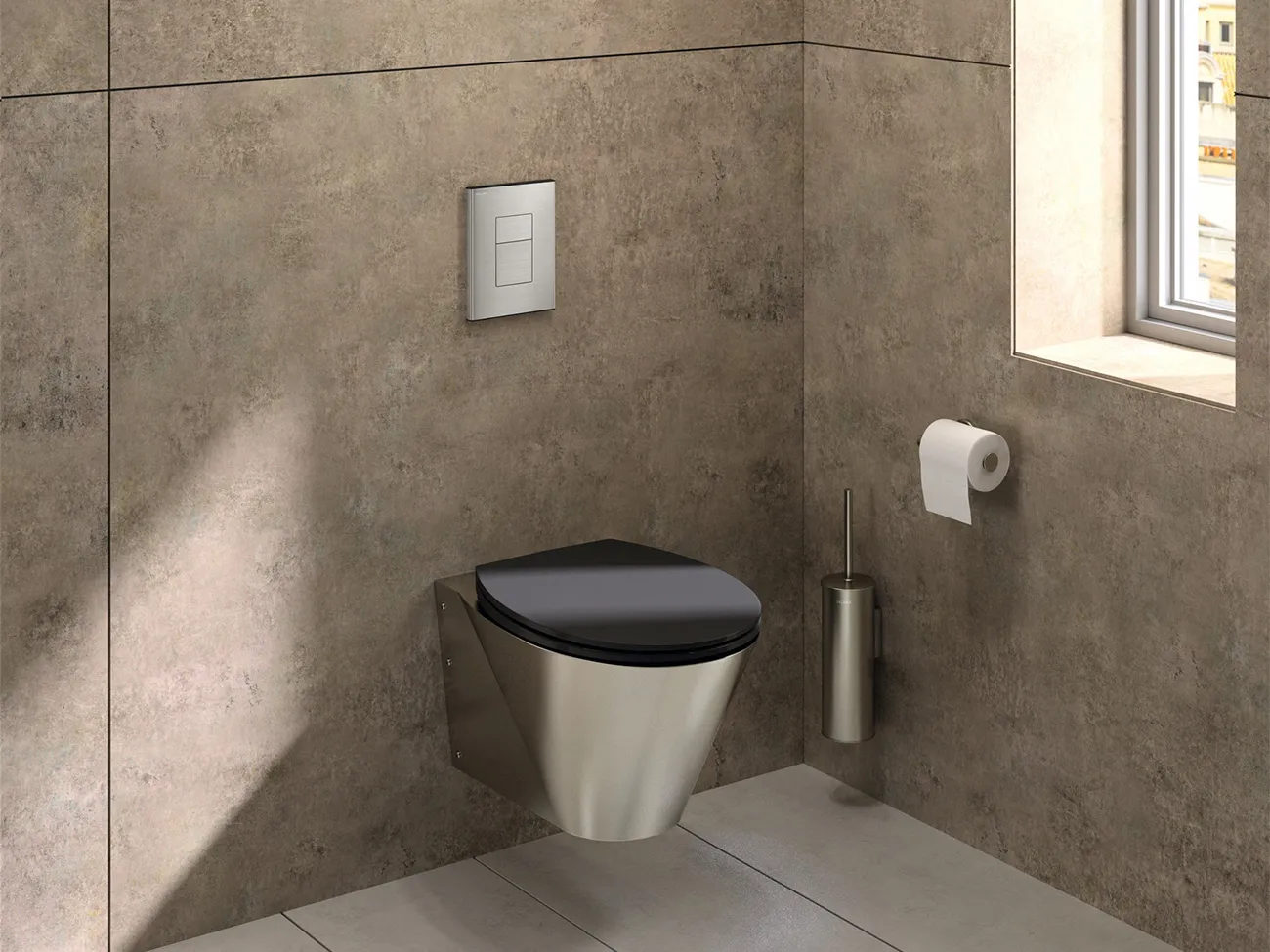
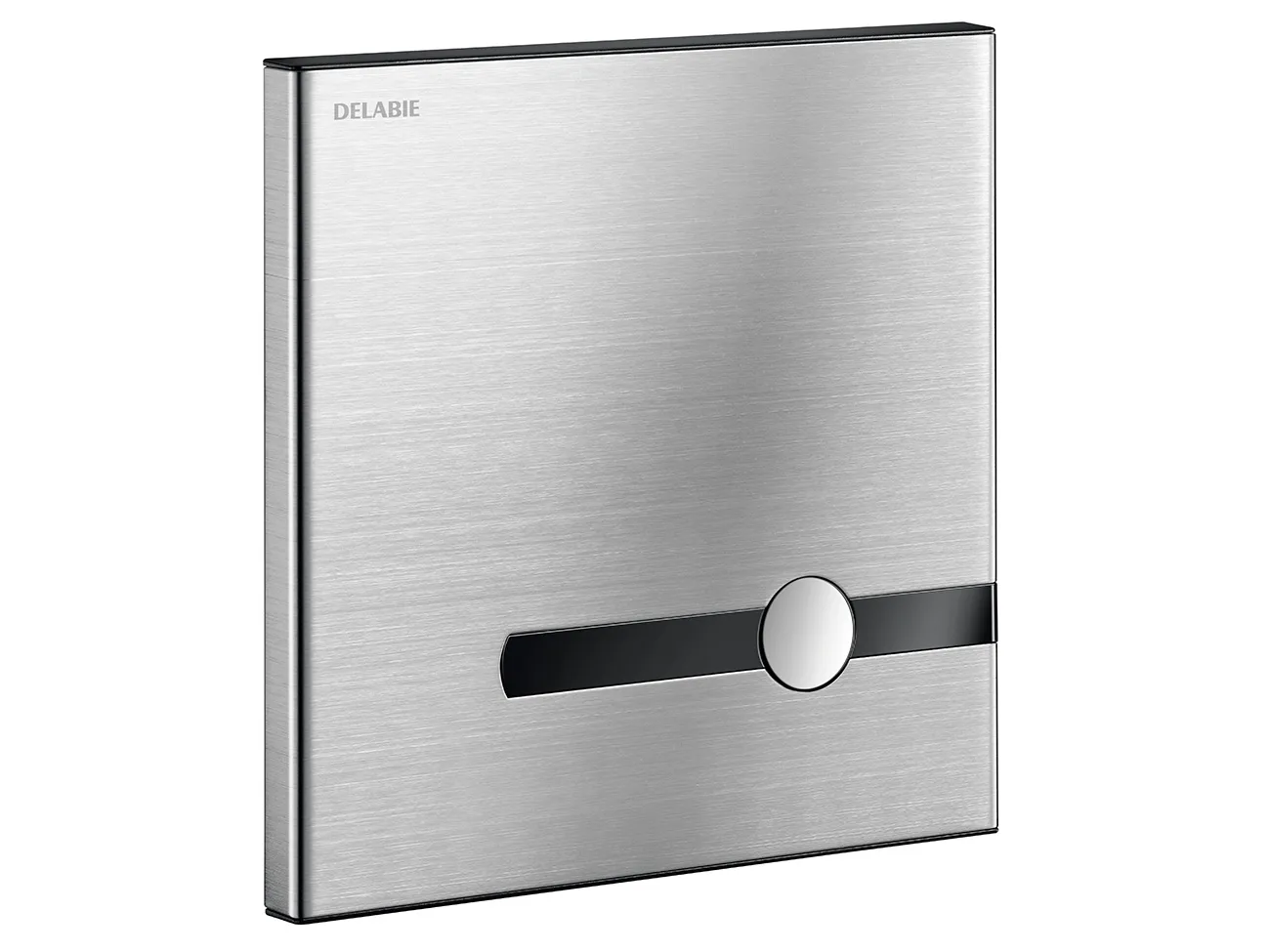
De zelfsluitende TEMPOFLUX 3 toiletkraan voor directe spoeling past in de tijdgeest en wordt daardoor onmisbaar in publieke ruimten.A genuine green tax shift is needed
Electricity is taxed heavily. The fossil fuel sector largely escapes levies, even though its CO2 emissions contribute to global warming.
Since 2017, our government has been proposing a green tax shift: by levying more tax on natural gas and heating oil and less on electricity, electricity use should become more attractive. InfoWarmtePomp.be is therefore urging the next government to make a serious start on implementing a genuine green tax shift.
Heat pumps are an option for all buildings
Heat pump systems are already fairly popular in new, well-insulated homes with underfloor heating or low-temperature radiators. But they are often an option for renovation projects too. Alongside standard heat pumps, hybrid heat pumps can be used for heating and heat pump water heaters for domestic hot water.
Heat pumps are also the sensible choice for new apartment buildings. A large heat pump can serve an entire apartment building or even a whole neighbourhood.
In the thousands of existing apartment buildings in our cities and along the coast, the ‘Law on Co-ownership’ remains an obstacle. The government should step in to support owners who want to install a heat pump.
For larger projects, heat pumps can be combined with low-temperature district heating and cooling networks; booster heat pumps or combination heat pumps can also be used. The options are more numerous than is generally known.
TEMPOMATIC dubbele bediening toiletkraan met directe spoeling.
InfoWarmtePomp.be calls for a clear roadmap to 2030 and 2050
Belgium has made a commitment at European level to cut CO2 emissions drastically. The federal and regional governments, as well as most political parties, strongly support renewable energy. In practice, however, far too little is being done to support all the possible applications of renewable energy.
InfoWarmtePomp.be is calling on the government to support the sector through a range of positive measures. Examples include faster implementation of European directives, grants based on CO2 reductions for both new-build and renovation projects, a genuine green tax shift to bring down electricity prices, or a specific heat pump tariff.
The next government must set out a long-term vision for 2030 and even 2050, and pursue consistent policies that provide the necessary framework for investment. We need a clear, long-term and stable roadmap that gives businesses and individuals wishing to invest in renewable energy the confidence they need.
Everything you need to know about heat pumps
To find out more about heat pumps and get answers to questions such as “Why should I install a heat pump?”, “What types of heat pump are available?”, “What can I use a heat pump for?”, “Exactly how does a heat pump work?” and “What grants are available?”, visit www.InfoWarmtePomp.be for impartial information. The site is a joint initiative by numerous Belgian heat pump manufacturers and distributors, members of ATTB, the Belgian sector association for thermal technologies involving heat pumps and alternative systems, and WPAC, the professional federation of heat pump suppliers.
Find the right company in the sectorSearch by product, field, region or project in the company directory and across all articles from Installatie & Bouw Vlaanderen.
We use cookies to keep the site working properly. With your consent, we also use cookies for statistics and third-party banners. Read more in our privacy and cookie statement.