











Heat pump market rebounds: sales up 16%
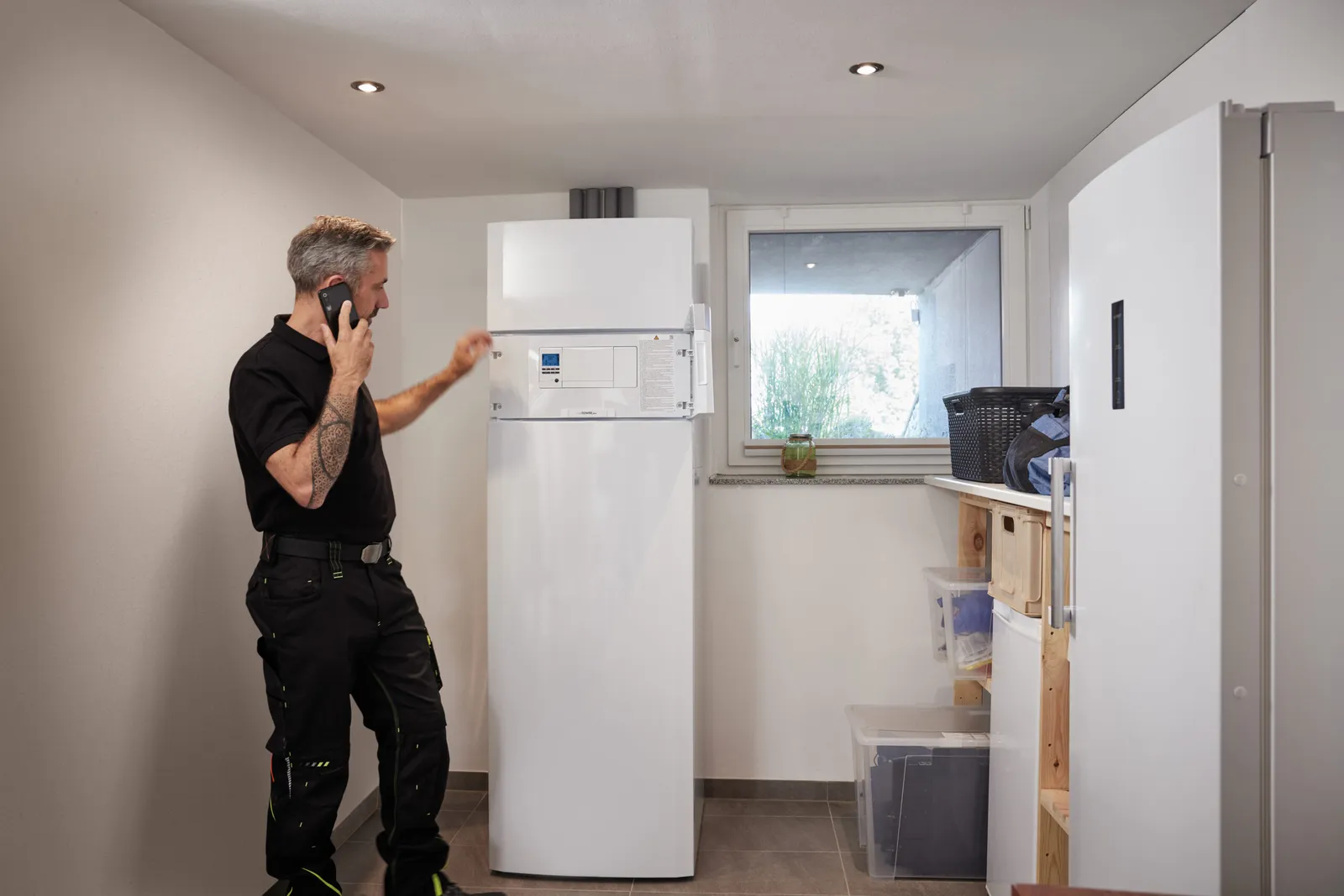
Climafed and Frixis see renewed confidence in sustainable heating technology
The Belgian heat pump market is showing signs of growth again. Joint figures from Climafed and Frixis show that 16% more heat pumps for heating were sold in the first half of 2025 than in the same period last year. After a difficult 2023 and a hesitant 2024, this is an important turning point for a sector that places sustainability and future-proof heating high on its agenda.
According to Patrick O, Public Affairs Manager at Climafed, the new figures confirm what has been evident on the ground for some time: “We are seeing consumers and installers choose heat pumps with renewed confidence. This is good news, because this technology plays a key role in meeting our climate targets.”
Growth across all segments: monobloc and geothermal systems surge
The strongest growth was recorded in air-to-water heat pumps, with monobloc systems in particular jumping by +47%. Water-to-water and brine-to-water heat pumps (geothermal systems) also saw a revival, rising by +37%. A total of 17,800 heat pumps for heating were sold in the first 6 months of 2025, compared with 15,350 in the same period last year.
Air-to-air heat pumps are also gradually reclaiming their place in the heating debate. This technology, still often mistakenly viewed as purely an air-conditioning unit, is increasingly recognised as a fully fledged heating solution. In many homes where low-temperature heating is difficult to achieve or decentralised heating is used, air-to-air systems can offer a straightforward and cost-effective solution. However, adequate airtightness is crucial for optimum comfort and performance.
Policy framework acts as a catalyst
The market revival has not come out of nowhere. Policy measures at European, federal and Flemish level reinforce one another, together creating a favourable climate for investment in sustainable technologies:
European
- From 2027, the European ETS 2 system will make fossil fuel heating significantly more expensive through a CO₂ cost.
Federal
- VAT on boiler replacements has risen to 21% and applies to sales agreements concluded after 28 July.
- The new programme law has enshrined a tax shift in policy, which should make electricity cheaper and fossil fuels more expensive over time.
- An adjustment of the capacity tariff to a ‘time-of-use’ system is being considered.
Flemish
- Since 2025, fossil-free heating has been compulsory in new buildings.
- Since this year, major energy renovations have required an efficiency of at least 130%, making heat pumps the obvious choice in many cases.
- The Mijn Verbouwpremie scheme has been expanded and now offers more favourable terms for lower-income households. In addition, some technical requirements for heat pumps have been eased, making more people eligible for the grant. Since 1 July 2025, the requirement to install solar panels when using a heat pump for cooling has also been scrapped.
- The Mijn Verbouwlening remains available and, since early 2025, has had an interest rate of 1.5% (for the lowest and middle income brackets only).
- The Flemish climate plan also provides for a tax shift from 2028, with higher gas prices and lower electricity prices, in line with the federal target.
“Policy is clearly steering us towards electrification and future-proof heating,” says Herwig Coppens, chair of Frixis. “The tools are there. Now we need to speed up the rollout.”

Energy prices, flexibility and the need for tax reform
The energy crisis of recent years has shown how vulnerable fossil fuel heating systems are. Gas prices were high again during the winter of 2024-2025, making heat pumps more economically attractive.
At the same time, dynamic electricity tariffs are becoming increasingly important: electricity prices that vary hourly according to supply and demand. Smart heat pumps can respond to these price fluctuations via an energy management system (EMS), heating when there is plenty of low-cost renewable energy, for example on sunny Sundays. This makes energy use not only cheaper, but also more sustainable and grid-friendly.
One structural barrier remains, however: electricity is currently almost four times more expensive than gas per kWh. This unfavourable ratio undermines the economic case for sustainable technology. Climafed and Frixis have long called for the tax shift to be rolled out more quickly, reducing the levies on electricity to accelerate the electrification of heating.
Renovations, hybrid solutions and heat pump water heaters as a catalyst
Although the figures are encouraging, the renovation market remains an area of concern. In homes with poor insulation or a limited electricity connection, a heat pump can often still be installed, although efficiency is generally lower without additional upgrades. Hybrid heat pumps, which combine a heat pump with an existing gas boiler, offer a viable interim solution in such cases. They make it possible to achieve substantial CO₂ savings straight away, while the home can later be further insulated and converted to a fully fossil-free heating system.
When improving the sustainability of existing flats, heat pumps can be used in a district heating network (as a central heat source) or as an individual system. They can use geothermal energy, outdoor air or ventilation air as their heat source. There are already many possible solutions, depending on the surroundings, the building and the customer’s requirements. Implementation requires thorough assessment and planning, but the potential is considerable.
Heat pump water heaters also deserve a prominent place in the renovation offering. These units heat only domestic hot water for the bath, shower and kitchen, but are highly energy-efficient and affordable. With a relatively modest investment, they can be installed in almost any home, making them a logical first step for anyone looking to improve energy efficiency.
In Flanders, the tool www.warmtepompklaar.be helps people determine whether their home is already suitable for a heat pump. Wallonia and Brussels do not yet have a comparable tool, but international checklists can provide an alternative for now.
Conclusion: confidence is growing, but the right conditions remain important
The figures clearly show that heat pumps are making a comeback. Policy measures, economic signals and technological maturity are all contributing. Vigilance is still needed, however: without stable policy, accurate information and tax reform, we risk seeing the market cool again.
“Anyone choosing a heat pump today is choosing a system that is ready for tomorrow,” concludes Patrick O. “We need to maintain and strengthen this renewed momentum.”
Question about this story? Ask your question
Keep following this
Get an email when a new story is published. No account needed.
- ThemeFossil-free heating and cooling
- SubjectNews







