











Getting started with the energy transition: 6 practical tips
Text and images VEB
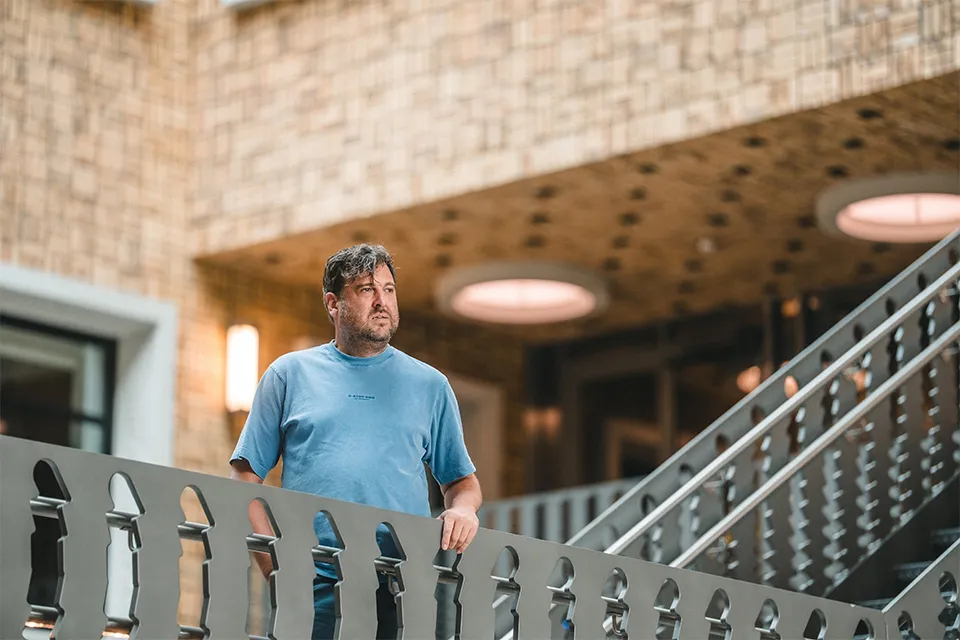
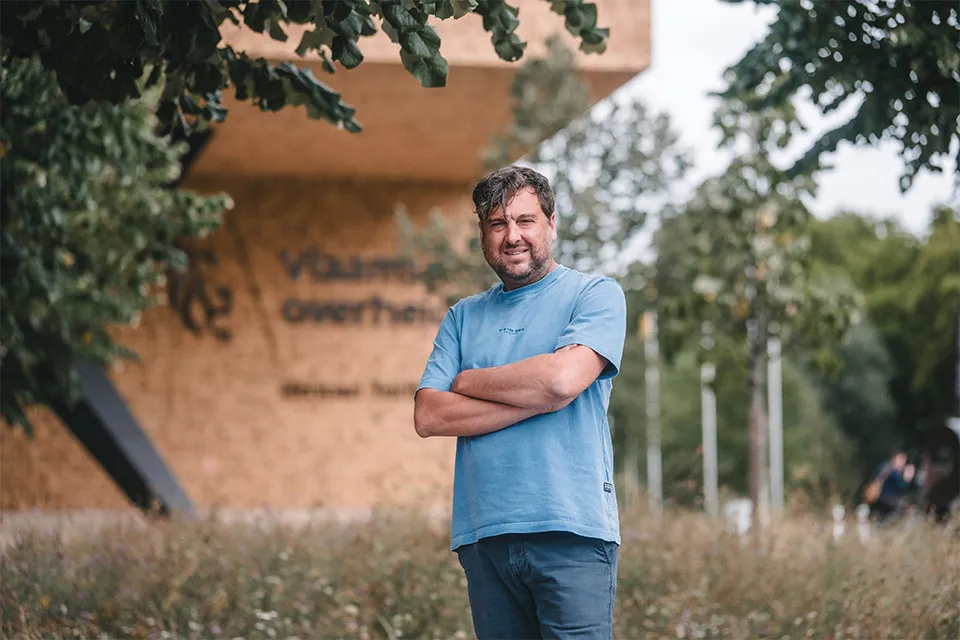
Drawing on his experience as an architect and his passion for sustainability, Steven Van Esser, transition manager at Stad Hasselt, helped develop a long-term plan for its portfolio of more than three hundred buildings. Today, he supports other local authorities through VEB as they develop effective energy and property policies. In this article, he shares six practical tips for those who want to take action on the energy transition without getting lost in its complexity.
Be pragmatic and start from your own reality
Legislation, standards and reporting requirements: they are there, and they matter. But they should not prevent you from getting started. According to Steven Van Esser, local authorities today often focus so much on regulations that their plans end up on the shelf. “We need to move away from the idea that you have to know everything first or work out every last detail of your plans. If you keep waiting, you won’t make progress,” he says.
“Rather than striving for perfection, it makes more sense to start with the practicalities: where are your biggest energy losses today? Which buildings need the most maintenance? What matters to your staff? This approach not only makes the plan more workable, it also builds support across the organisation.”
Embrace flexibility and smart combinations
A building does not have to be built or retained for just one purpose. Just as staff often combine several roles, buildings and teams need to be used flexibly too. “Making buildings available for multiple uses is essential when resources are limited. A building used as a meeting room during the day and for youth activities in the evening is put to much more efficient use,” explains Steven Van Esser.
“The same cross-fertilisation applies to teams: the technical department, sustainability team and policymakers should not work alongside one another, but together. By building bridges between departments, you foster insight and collaboration and create a more sustainable approach overall.”
Focus on impact, not completeness
It is tempting to map out and tackle the entire property portfolio. But this often leads to paralysis. “In Hasselt, we found that 10 % of the buildings accounted for 80 % of emissions,” says Steven Van Esser. “By focusing on them, we were able to achieve results quickly.”
“By directing your resources and attention towards the buildings with the highest energy consumption or greatest strategic value, you increase your capacity to act. This approach also allows you to gain experience and then apply that success more widely.”
Involve people from the outset
Steven Van Esser warns against a common mistake: an energy policy that exists only within the technical or sustainability department. But genuine change requires broad involvement, both horizontally and vertically. “Not top-down, but throughout the entire organisation. From cleaning staff to building managers, from finance directors to aldermen: everyone needs to feel a sense of ownership,” he stresses.
“So get staff involved in thinking about what works, where the bottlenecks are and how things could be done differently. This creates ambassadors for change and ensures that the energy transition is not ‘something extra’, but part of the day-to-day work.
Treat it as a learning journey, not a one-off project
Many local authorities are afraid of making mistakes. And understandably so. But the reality is that not everything works first time. And that is fine. “The process is at least as important as the outcome. You learn by getting started. By trying things out, you find out what works,” says Steven Van Esser.
“You also build up knowledge within the organisation. Retaining that knowledge is crucial: it makes your organisation more resilient and stronger, including in the next term of office.”
Think in terms of functions, not buildings
The greatest energy savings do not necessarily come from insulating buildings, but from being willing to fundamentally rethink your property portfolio. Is every building still needed? Does its function still meet the needs of our local authority today? “Too often, we start with the buildings. But what we should be asking first is: what do we need this building for? And does it still fit with how we want to operate as a city or municipality?” says Steven Van Esser.
“By thinking in terms of function rather than retention, you avoid unnecessary renovations or investments. Perhaps a different use or a shared location would be enough. That is often cheaper, more energy-efficient and more relevant to society.”
Question about this story? Ask your question
Keep following this
Get an email when a new story is published. No account needed.
- SubjectNews







