











From installer to provider of complete solutions
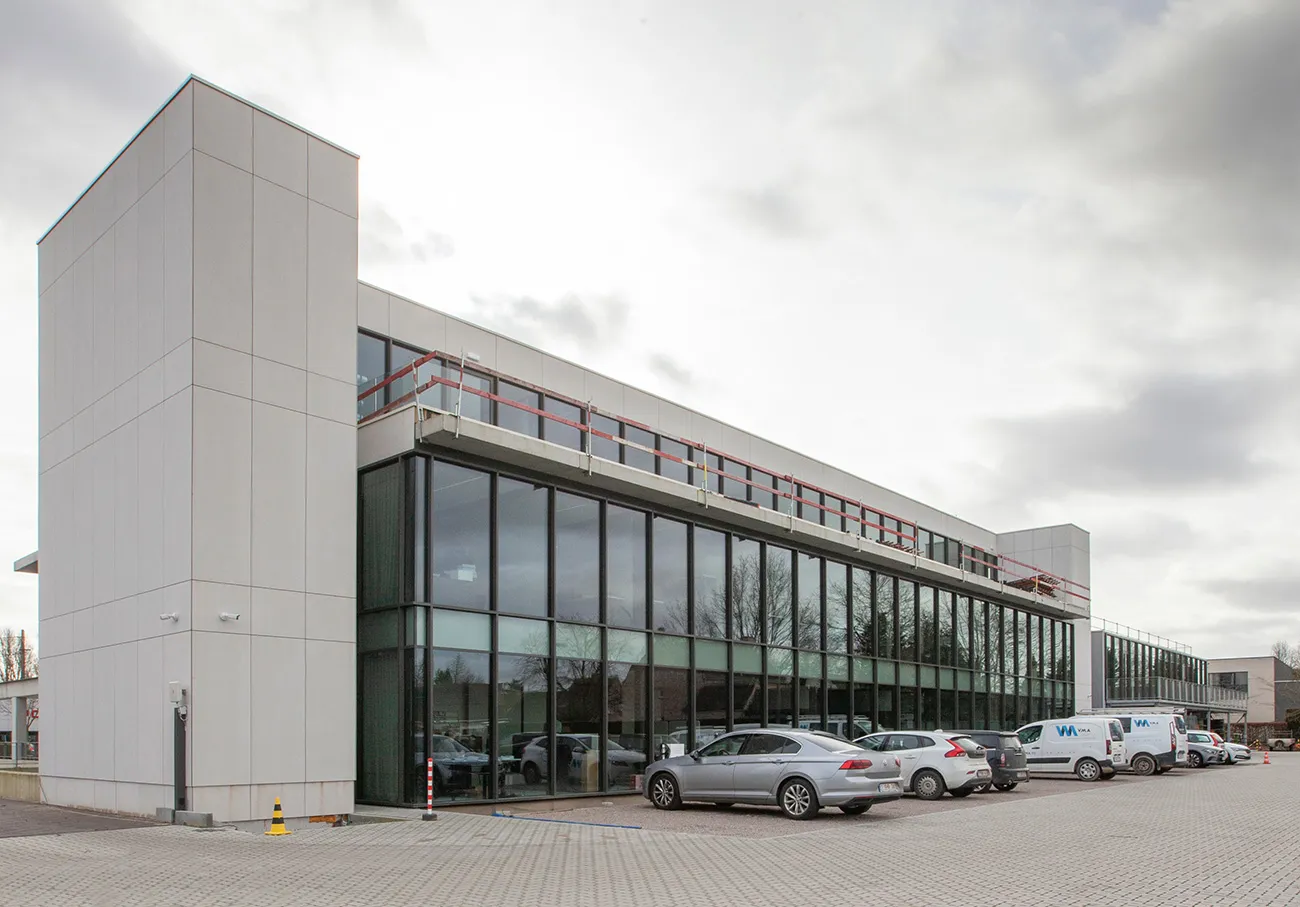
Digitalisation is taking hold in every sector. The construction industry is now moving at full speed, although it was certainly not an early adopter. VMA quickly realised that this evolution was on its way and, drawing on its experience in other sectors, developed a ‘smart’ complete building-services concept based on standardisation and automation. As a result, the company is no longer a pure installer, but also offers its own solutions, with optimised energy use and smart maintenance at their heart. And it is not only customers who benefit, but VMA too when it acts as a maintenance provider.
VMA operates across the full spectrum of multi-technical installations and technology. Its focus is on four areas: building technologies, infra, automotive and processing & manufacturing technologies. “It makes sense for these ‘branches’ to share knowledge,” says Pascal Kinoo, commercial manager of VMANAGER. “We have been aware for many years that ‘smart buildings’ are the future. That is why, back in 2010, we started thinking about how we could translate the Industry 4.0 concept, which we know well from the automotive and process industries, into the world of buildings. We drew on our expertise in industrial automation and developed a complete solution for building services.”
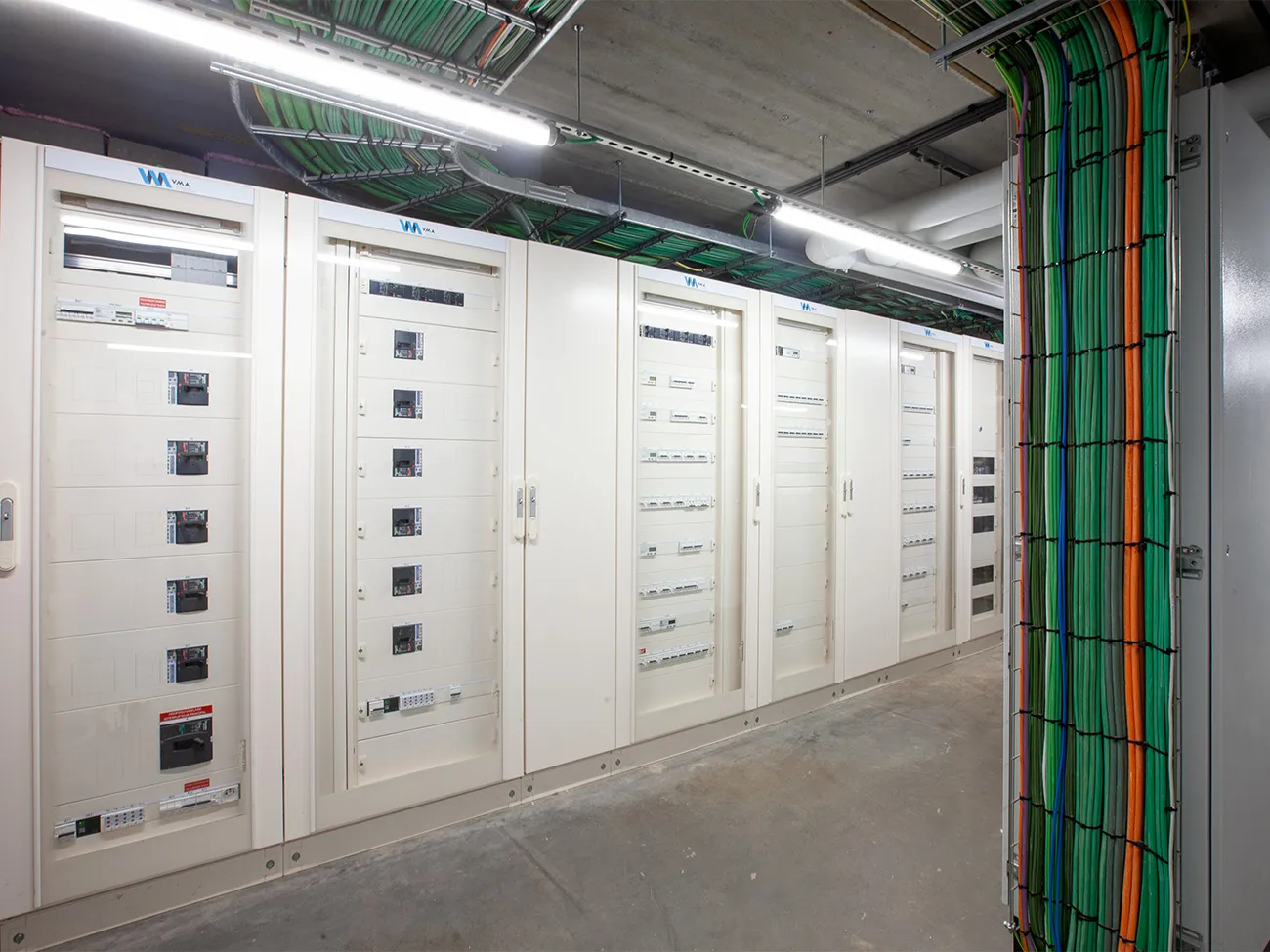
The solution covers not only the design, implementation and maintenance of electrical and HVAC installations, but also their integration, automation and control via a building management system. Kinoo: “An industrial PLC effectively acts as ‘the brain’ of the building. This allows us to create an open-source model in which other parties can also write a chapter.”
A ‘smart’ complete solution
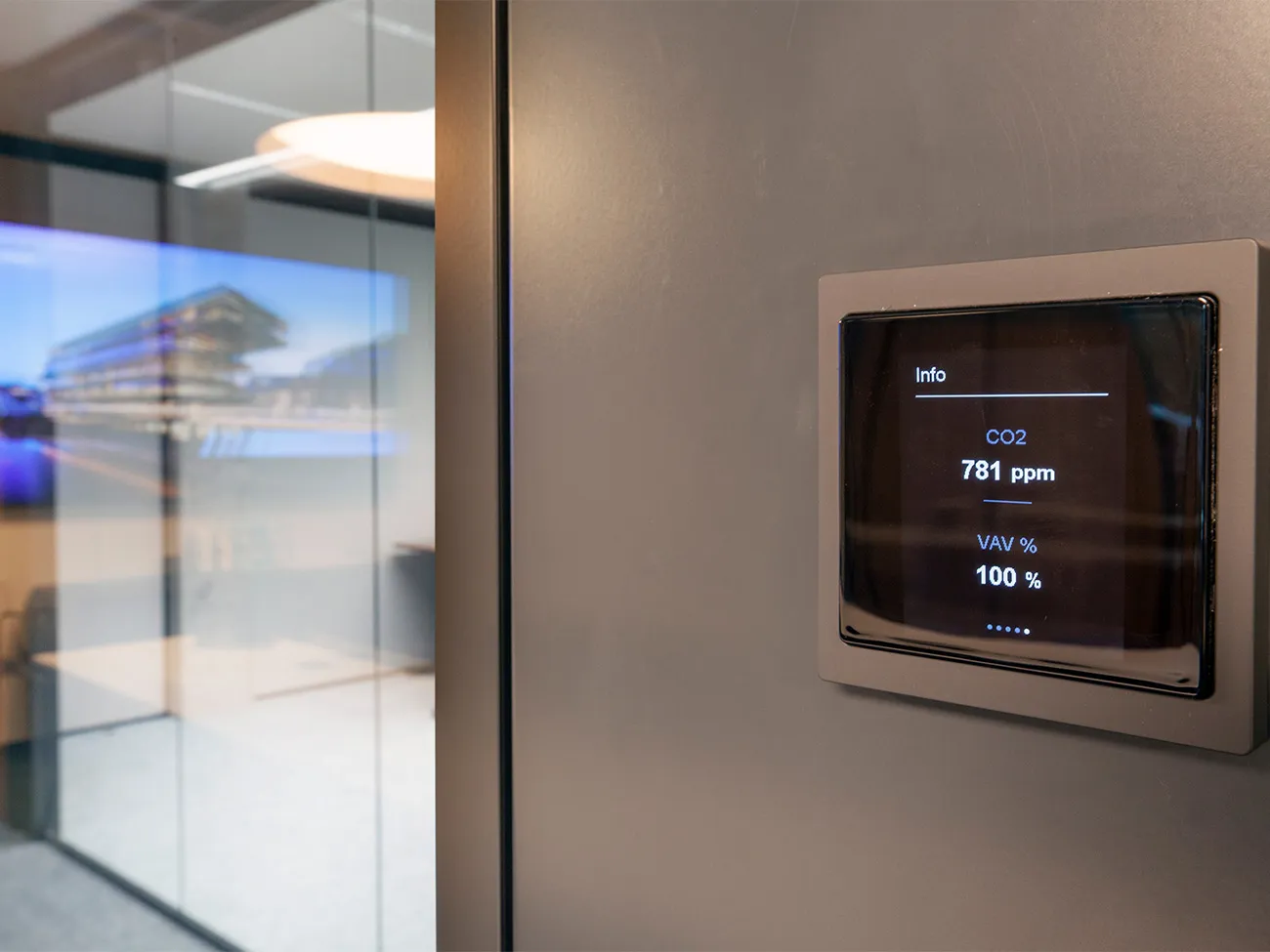
For several years, VMA has been working on a complete package of solutions for creating sustainable, comfortable buildings and optimising energy use. VMANAGER is the result. It comprises, first and foremost, an overarching building control system (building management system) and a data hub to which new services can be added (BOS, or Building Operating System). With this element, called ‘VMANAGER Connect’, VMA aims to break down the barriers that too often remain between different building services. “With ‘VMANAGER Connect’, we bring together all our knowledge of buildings and deliver a ‘smart’ complete solution based on data from a building management system, all technical installations and any other systems. We use this data to create an intelligent environment where optimised energy use and smart maintenance are central,” says Kinoo.
In 2019, VMA also launched a range of energy performance services, or ESCO services for short. These are now offered under the name ‘VMANAGER Performance’. “We chose to offer ESCO services through VMANAGER so we could play an active part in making buildings more sustainable and energy-efficient,” says Joris Wouters, BU manager smart & sustainable building management at VMA. “We have long-standing experience with a wide range of ‘design & build’ arrangements. However, guarantees on energy performance were often not part of these. Concerned about climate change and keen to offer our customers a service that guarantees quality in the long term, we decided to offer them ESCO services. Customers also receive concrete guarantees on the energy savings that will be achieved.” “We are very happy to combine both ‘branches’ of VMANAGER in a project whenever we can,” adds Pascal Kinoo.
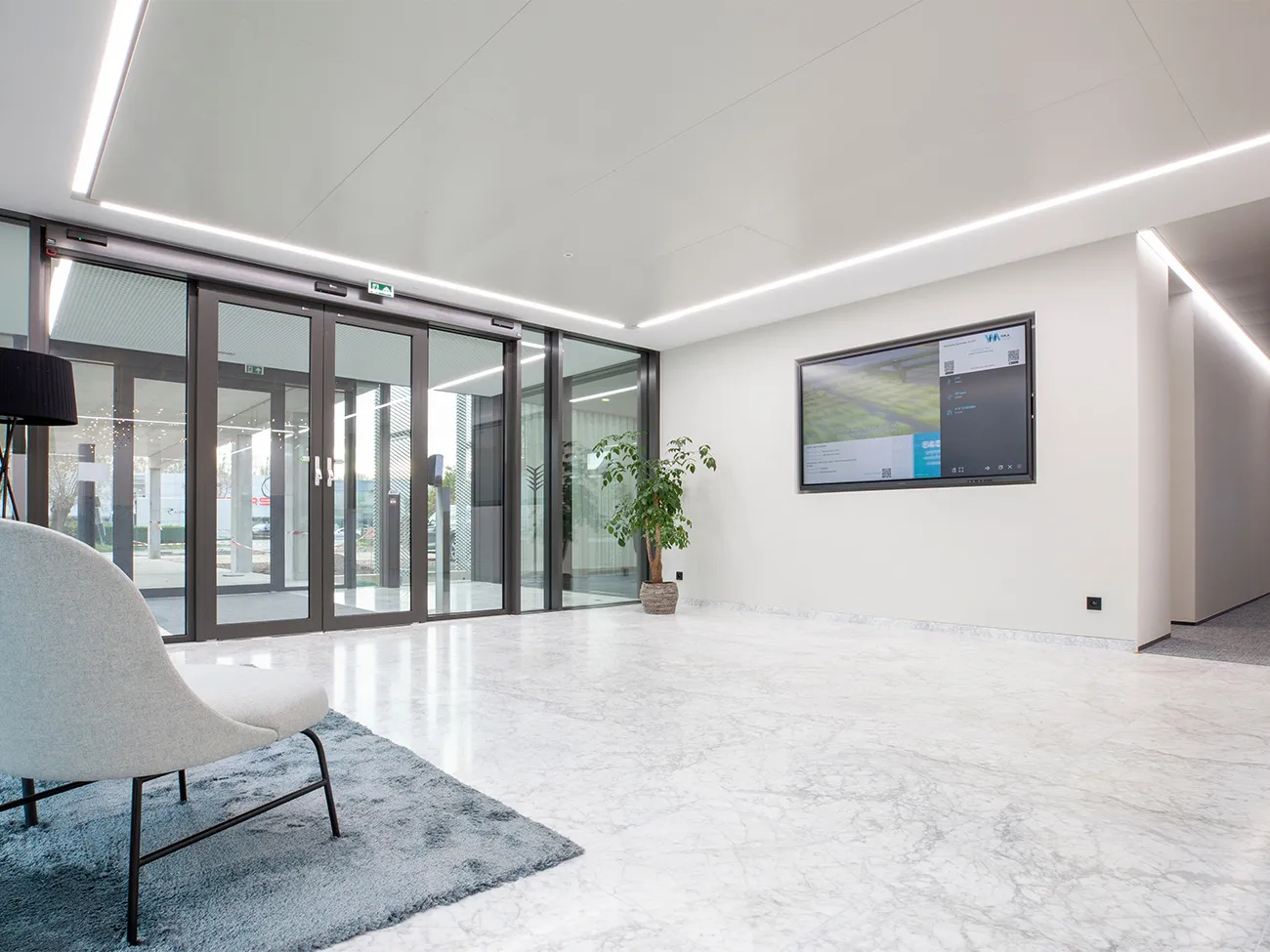
We have only begun to tap the enormous potential of combining data, digital connectivity and energy performance services. That is why VMANAGER continues to work on innovative solutions. “We already offer an app that lets users check parking availability, book a meeting room or adjust the climate control. It also gives building managers a tool for reporting on building performance. We use data to create added value for building users, including end users, tenants, property managers and owners. The possibilities continue to expand every day,” says Joris Wouters.
Sensors
Many of these innovative applications naturally use a whole range of sensors. When developing VMANAGER, for example, VMA devised a solution in which sensors beneath the flex desks, desks and meeting room tables detect occupancy. Pascal Kinoo: “This has proved to be a very effective way of mapping occupancy in our building with great accuracy. We use this information for safety and to optimise the use of meeting rooms, but it could also be used to direct the cleaning team.”
VMA also uses sensors to collect data on technical installations. “For example, we monitor pump operating hours and the consumption of the various installations,” explains Joris Wouters. “In many buildings, the maintenance team does not have access to this information, so it has to work blind. By capturing these data, we can be alerted sooner when a problem is looming and take action. Conversely, the data can also show us that a replacement can sometimes be postponed because it is not yet necessary.”
An integrated approach
This maintenance benefit is also a clear reason why knowledge-sharing between VMA’s maintenance division and the team behind VMANAGER is so valuable. “For maintenance, it is useful not only to have insight into the data. The way in which a request for a specific action is passed on to the maintenance team is also important,” explains Pascal Kinoo. “Within VMANAGER, we have added an automation process to the building management system that sends tickets to the maintenance provider when the technical installations generate an alarm. A known risk with this kind of ticketing mechanism is that it generates a great many alarms, even though a large proportion are actually unimportant or false. The key, then, is to identify the right ones. We can now optimise this by facilitating a two-way exchange between the team developing VMANAGER and VMA staff who work with the management and maintenance of the installations every day.”
“At VMA, and at CFE more broadly, we believe that an integrated approach to the challenges ahead is the only right way forward, whether they relate to maintenance, building management or energy supply,” concludes Joris Wouters.
Question about this story? Ask your question
Keep following this
Get an email when a new story is published. No account needed.
- SubjectNews







