











Forward-thinking approaches to access control
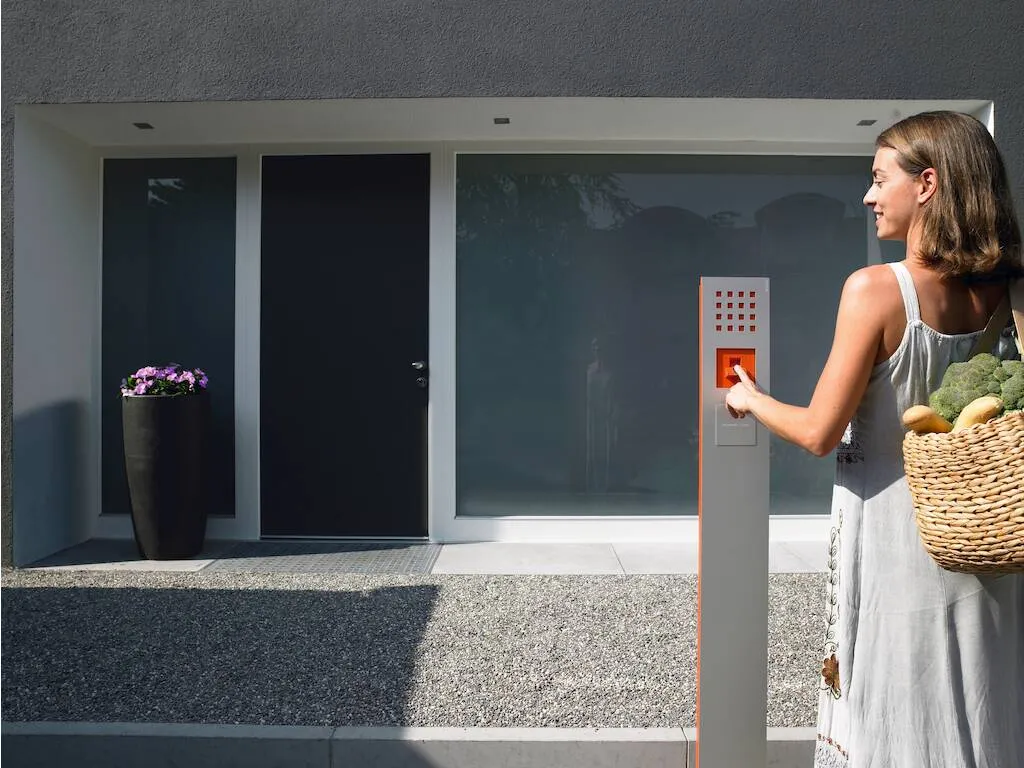
Will the traditional front-door key soon be a thing of the past for good? Or will it evolve into a kind of last-resort solution?
According to Siedle, a specialist in video door entry and access control, that is a strong possibility. The company is investing heavily in new, innovative ways of granting users access to a building, whether it is an office building or a home. Biometric access control takes centre stage.
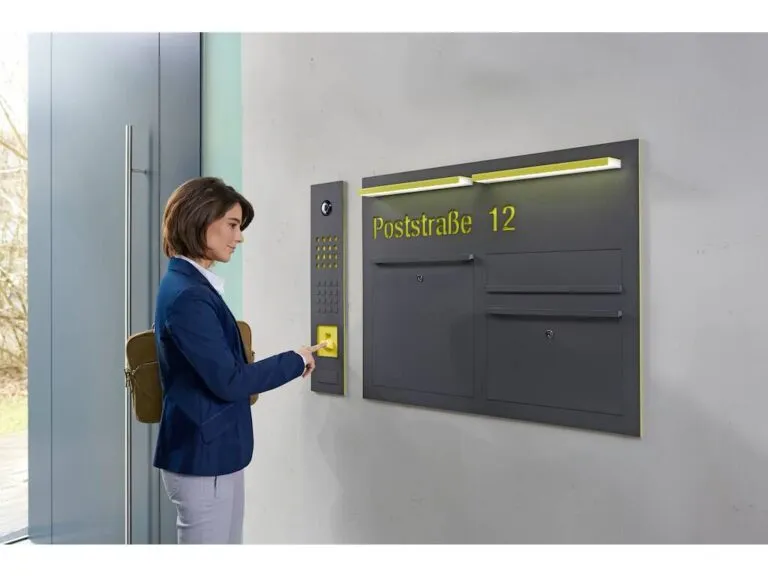
Siedle is known worldwide for its door stations. This makes the company an excellent partner for access control, says Wim Brusselaers, General Manager at Siedle Benelux. “Everything you find at the front door is our core business: from video door entry and access control to some of the lighting and even the letterbox. We integrate all the components into a single whole. This is also interesting for architects, as it allows them to achieve a consistent aesthetic across all the elements at the front door.”
Not just for businesses
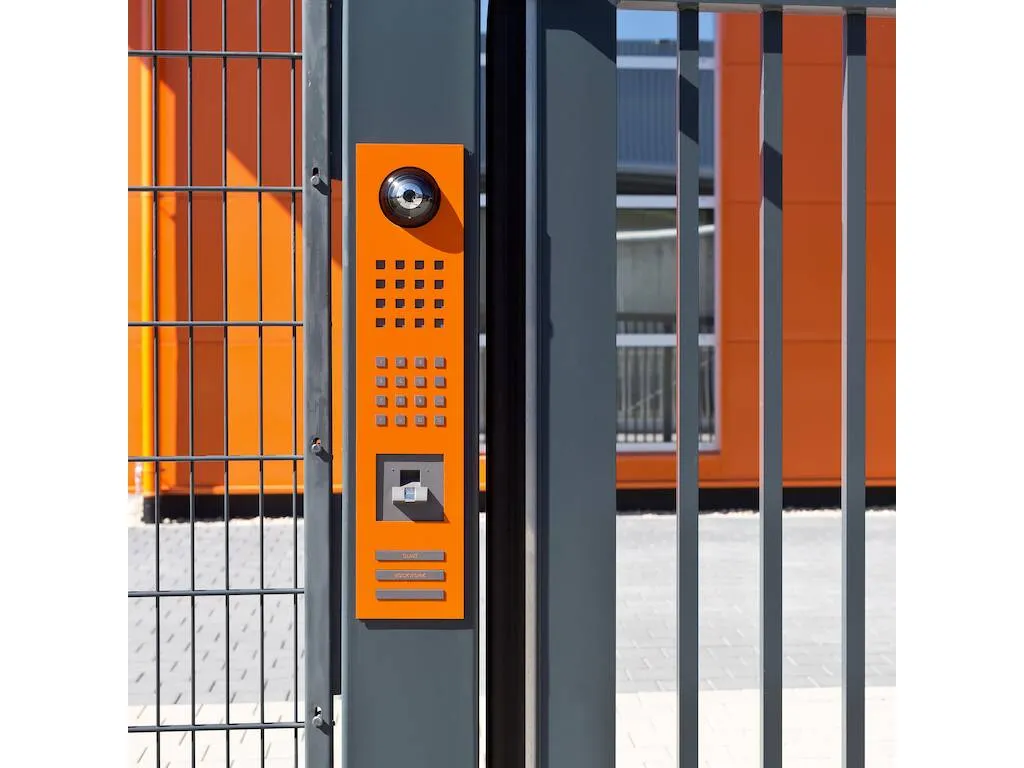
Access control is an important growth market for Siedle. Unlike in the past, high-tech access control solutions are no longer intended exclusively for businesses. “In the past, it was mainly businesses that showed an interest, if only to manage staff and visitor registration efficiently. Now we are also seeing growing demand in private homes,” says Brusselaers. “Our solutions can easily be integrated into a door station, and this is happening more and more often. People no longer need a traditional key. I expect that within five years it will serve only as a last resort in most buildings.” In 2021, there are several ways to implement access control effectively. Siedle also offers a range of options. “Comfort, security, reliability and ease of maintenance are central to all of them,” says Brusselaers. “The simplest technology is a keypad. Anyone with the code can gain access to the home. This is, of course, the least advanced and least secure option: what if the code is shared? A keypad is not always very practical either, especially in rental properties, where you have to change the code every time a new tenant moves in.” A second, more advanced option is a card reader. Each resident or member of staff is given their own access card, which they can use to enter the building. “This option is already much more secure: unlike a code, each card is unique and stays with its owner,” says Brusselaers. Siedle also offers a combined keypad and card reader module. “In this case, you can also use Bluetooth on your smartphone to operate the card reader. It is convenient: you might leave a key on the cupboard, but these days almost everyone carries their smartphone.”
Unique fingerprints
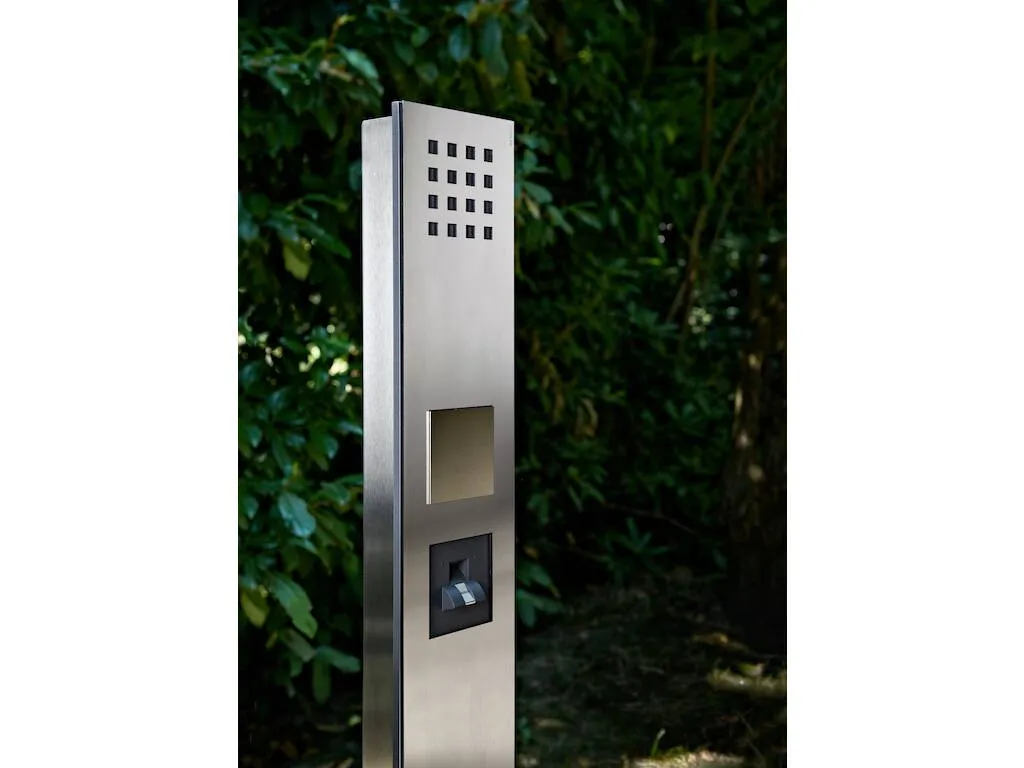
Beyond these solutions lies the most secure and forward-thinking technology: biometric access control, which grants access using fingerprints. Brusselaers is convinced of the potential of this solution: “It cannot get any safer: there are 7 billion people on this planet, yet no two fingerprints are the same. What is more, fingerprint technology has evolved significantly in recent years and has reached maturity. It is a secure and simple form of access control. The only requirement is that the fingerprint is clear enough to be recognised.” Brusselaers stresses that there is no need to worry about privacy. “Unlike many other manufacturers, which use optical readers, Siedle uses passive thermal technology. This means that the fingerprint itself is not stored, only its identifiable features. The fingerprint can therefore never be reproduced.” Biometric access control is not the end of the road. Brusselaers is eagerly looking forward to innovations in facial and iris recognition. “We are working on that, but for now the technology is not yet sufficiently developed or is too expensive.”
Monitoring
As well as the user interfaces, Siedle has also considered monitoring. Access control can be connected to the company’s own network. “It may not be of much use to a private individual, but for businesses it makes it possible, for example, to draw up attendance lists or set a timeframe, determining who can access the building and when,” says Brusselaers.
Question about this story? Ask your question
Keep following this
Get an email when a new story is published. No account needed.
- SubjectNews







