











Fluvius installs 1 millionth digital meter in Flanders
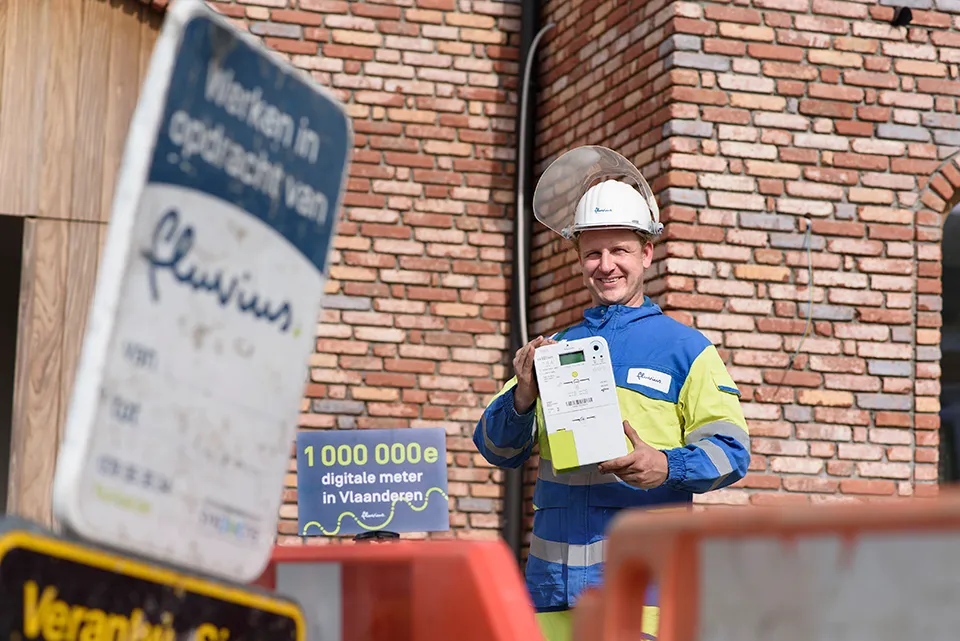
Grid operator Fluvius has installed the 1 millionth digital meter in Flanders. It was installed in a new-build home in Grembergen (Dendermonde), where both a digital electricity meter and a digital gas meter were fitted.
The roll-out of digital meters is a crucial step in the energy transition. They give households far more opportunities to monitor and manage their energy use, and to keep it affordable.
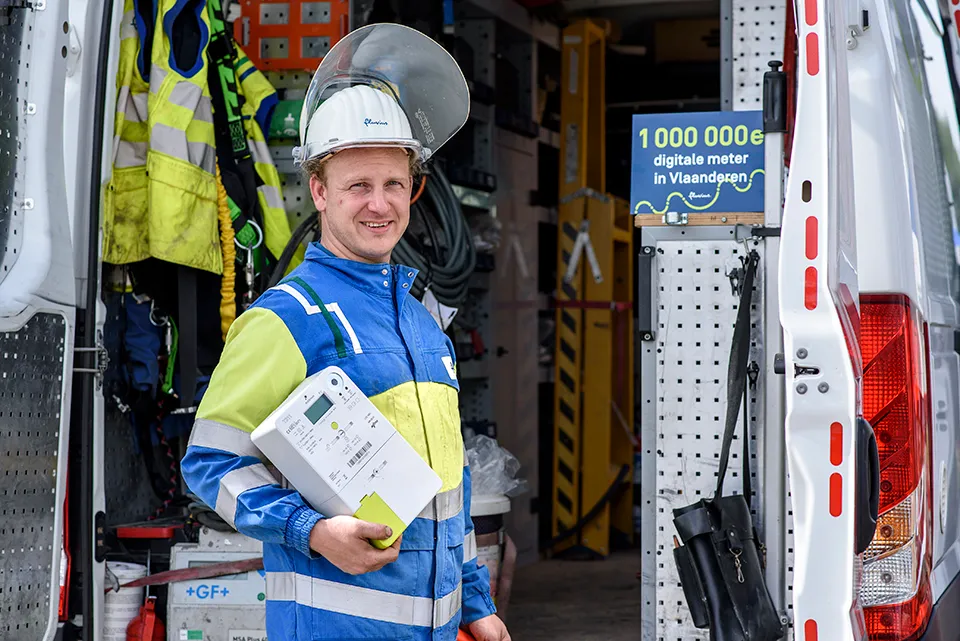
Meters make the energy transition achievable and affordable
‘We all know that the digital meter took a serious blow following the ruling by the Constitutional Court. But I am nevertheless particularly pleased with this milestone, which is actually very important for every Flemish person,’ says Flemish Minister for Energy Zuhal Demir. ‘Our energy landscape is changing rapidly, and this is urgently needed in the fight against climate change. We all need to use energy more sparingly, intelligently and sustainably. Whether you like it or not, the digital meter is one of the most important tools for every household or business to make that transition achievable and affordable. It gives you a wealth of information about your energy use, completely free of charge, and you can also link apps to it to manage your consumption. This new generation of technology is truly just around the corner, among energy suppliers, car manufacturers, construction companies and installers alike.’
80% of meters to be digital by 2024
Digital electricity and gas meters were introduced in Flanders on 1 July 2019. Since then, they have been replacing the old mechanical meters, which are no longer in circulation. Fluvius installs them automatically in new-build homes or during renovations that involve upgrading the electricity connection. This year, a conversion programme is under way for households with a budget meter or a smart meter from previous pilot projects.
In addition, Fluvius began a major geographical roll-out this spring, with the aim of installing these meters in every household and small business in Flanders. The roll-out is organised by region, city or municipality (more information: www.fluvius.be/planningschecker). The aim is to complete the conversion by 2029, with the biggest acceleration over the next 3 years. The target is for 80% of homes to have digital meters by the end of 2024.
Households that have had solar panels installed since the start of 2021 will automatically receive a digital meter. The same applies where the installation is more than 15 years old. A different approach applies to all other prosumers, following the Constitutional Court’s ruling on the reversing meter. They have a choice: either have a digital meter installed and become eligible for a grant and for selling their surplus solar electricity to their energy supplier, or postpone installation for a while, until 1 January 2025 at the latest.
Question about this story? Ask your question
Keep following this
Get an email when a new story is published. No account needed.
- SubjectNews







